
Why Early Habits Matter
Habits formed before age 9 are powerful. Research shows that the routines and behaviors children develop early often stick with them well into adulthood. This means the healthy habits you encourage now—like balanced nutrition, daily physical activity, and good sleep routines—can shape your child’s future wellbeing.
Early healthy habits impact more than just physical health. They support cognitive growth, helping young minds develop strong focus and problem-solving skills. Mental well-being also benefits, as children who practice good routines tend to have better emotional resilience and mood regulation.
Of course, establishing these habits today isn’t without challenges. Parents face a world filled with tempting processed foods, busy schedules, and endless screen time options for kids. It can be tough to cut through the noise and create lasting, healthy routines. But understanding why early habits matter is the first step in building a strong foundation for your child’s lifelong health and happiness.
The Role of Parents and Caregivers in Modeling Behavior
Children learn healthy habits for toddlers mainly by watching the adults around them. That means parents and caregivers play a crucial role in establishing good routines. Leading by example—like choosing nutritious foods, staying active, and maintaining hygiene—helps kids pick up these behaviors naturally.
Consistency is key. When the whole family is involved in healthy eating, regular physical activity, and set sleep schedules, children find it easier to follow along. Try to keep rules steady and avoid mixed messages; inconsistent guidelines or negative food associations can confuse young children and make it harder to build long-lasting habits.
Being a positive role model means showing how to live healthily every day. This includes balancing indulgences without drama and focusing on collaborative family efforts. For tips on creating a structured and healthy daily routine, explore resources on how to create a healthy daily schedule that supports children’s growth and well-being.
Building Healthy Eating Habits
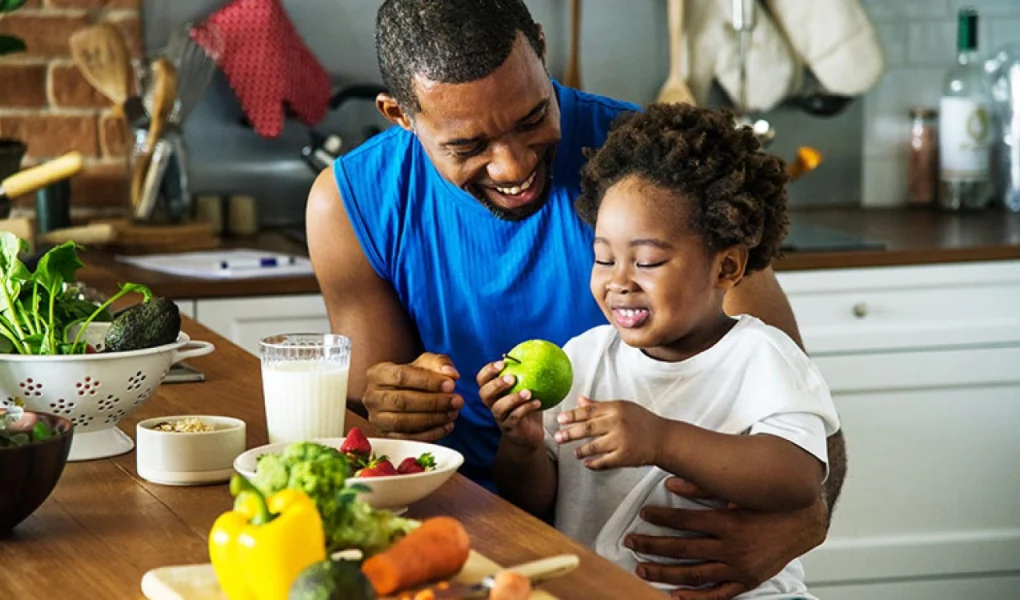
Starting healthy habits for toddlers early means introducing a wide range of nutrient-dense foods. Offering fruits, vegetables, whole grains, and proteins helps build a balanced diet that supports growth and brain development. One practical way to encourage good nutrition for young children is to make family meals a regular habit. Eating together not only sets a consistent routine but also shows kids healthy choices in action.
Involving kids in shopping and food preparation can make them more interested in what they eat. Simple tasks like picking out colorful veggies or helping wash fruit turn mealtime into a fun learning experience. When it comes to picky eating, patience and persistence are key. Try offering new foods alongside familiar favorites without pressure. Limiting sugary or processed foods helps avoid habits that can lead to health issues later on.
For easy and tasty ideas that support family healthy eating tips, exploring nutritious meal options can be a great start, such as those found in recipes like the homemade healthy shakshuka, which combines fresh ingredients in a simple way. This approach boosts kids’ willingness to try new dishes while reinforcing positive eating habits early on.
Promoting Daily Physical Activity for Preschoolers
Young children need at least 60 minutes of active play each day to support their growing bodies and minds. This doesn’t mean structured exercise but rather fun, natural movement that fits into their day. Ideas like outdoor games, family walks, dancing around the living room, or simple sports like kicking a ball help build strength, coordination, and healthy habits for life.
You can easily integrate physical activity without making it feel like a chore:
- Take short family walks after meals
- Set up safe spaces for free play outside
- Have dance parties with favorite songs
- Use games like “tag” or “hide and seek” that get kids moving
The key is to keep it enjoyable and flexible. Encouraging daily exercise for children boosts energy levels and supports emotional well-being too, so it’s a win-win for the whole family. For more ideas on shifting from indoor routines to outdoor fun, check out practical tips on moving from indoors to outdoors.
Establishing Strong Sleep Routines
Good sleep is key to healthy habits for toddlers and young children. Sticking to strong sleep routines helps with growth, focus, and mood regulation. Here’s a quick guide to get it right.
Recommended Sleep Durations by Age
| Age Group | Recommended Sleep Hours per Day |
|---|---|
| Toddlers (1-2 yrs) | 11-14 hours |
| Preschoolers (3-5 yrs) | 10-13 hours |
| Early school-age (6-12 yrs) | 9-12 hours |
Consistency matters more than occasional late nights. Keeping regular bedtimes and wake-up times sets a natural body clock.
Creating Calming Bedtime Rituals
- Keep screens out at least an hour before bed to avoid sleep disruption.
- Use calming activities like reading, gentle music, or warm baths.
- Create a quiet, dimly lit space to signal it’s time to wind down.
- Maintain the same routine every night to build security and predictability.
A soothing bedtime routine is essential for helping kids settle easily. You can explore tips on creating calm and comfort in your family life for more ideas on bedtime peace.
Benefits of Strong Sleep Habits
- Supports physical growth and immune health.
- Boosts learning, memory, and attention during the day.
- Improves emotional regulation, reducing tantrums and anxiety.
Establishing healthy sleep routines sets the foundation not just for rest but for overall well-being in young children.
Teaching Personal Hygiene and Self-Care
Teaching kids good routines around personal hygiene is essential for their health and confidence. Daily habits like handwashing, tooth brushing, and bathing should become a natural part of their day. To keep children engaged, try using songs, colorful charts, or positive reinforcement—these make hygiene routines fun rather than a chore.
Encouraging independence in self-care helps build a child’s confidence. When kids feel in control of their own hygiene, they’re more likely to stick with these habits. Simple steps such as letting them pick their toothbrush or wash their hands with a favorite soap can boost their motivation and make these routines enjoyable.
By linking personal hygiene for kids with positive experiences, you set them up for lifelong healthy habits and greater self-esteem.
Managing Screen Time and Encouraging Offline Play
Limiting screen time for children is essential to fostering healthy habits for toddlers and young kids. Experts generally recommend setting daily limits—ideally no more than one hour of quality screen time for preschoolers—to protect their developing minds and bodies. To balance technology use, encourage creative offline play like drawing, building with blocks, or imaginative storytelling. Hands-on activities not only spark creativity but also promote fine motor skills and focus.
Here are practical tips for managing screen use while boosting offline fun:
- Set clear, consistent screen rules that everyone in the family follows.
- Replace device time with interactive play, like family board games or outdoor adventures.
- Create screen-free zones, such as mealtimes and bedrooms, to encourage social interaction and better sleep.
- Use tech intentionally—with educational apps or video calls to connect with loved ones—rather than passive viewing.
By balancing technology with hands-on activities and social time, parents can help children develop well-rounded daily routines that support emotional health and positive parenting habits. These simple steps lay the groundwork for a healthier, more engaged childhood. For broader family lifestyle tips that support positive routines, check out advice on creating inviting family time at home.
Supporting Emotional and Mental Health Habits
Helping young children develop strong emotional health is just as important as their physical well-being. Teaching kids good routines for expressing feelings early on builds resilience, allowing them to handle challenges with confidence. Encouraging mindfulness through simple breathing exercises or quiet moments can help children stay calm and focused.
Positive parenting habits, like offering encouragement and showing gratitude, foster a healthy mindset and boost self-esteem. You can also teach kindness and the value of social connections by encouraging sharing, empathy, and group play. These emotional and mental health habits create a foundation that supports lifelong well-being.
For practical mindfulness tips that work well with young children, explore how simple mindful practices can help emotional growth and calmness.
Overcoming Challenges and Staying Consistent
Establishing healthy habits for young children isn’t always smooth sailing. Resistance and setbacks are normal, especially when kids push boundaries or prefer old routines. The key is staying patient and consistent. Here’s how to keep on track:
- Use small, manageable steps. Break down habits into easy actions that kids can handle without feeling overwhelmed.
- Create clear routines. Predictability helps children feel secure and more willing to follow healthy habits.
- Incorporate positive rewards. Praise, stickers, or small incentives encourage repetition and motivation without pressure.
- Be flexible and adapt. As children grow, their needs and interests change. Modify habits accordingly to keep them relevant and effective.
- Stay calm during setbacks. Instead of reacting negatively, gently guide children back to the routine. Consistent encouragement builds lasting change.
Remember, teaching kids good routines is a journey. When parents lead with patience and steady support, healthy habits become part of everyday life. For helpful tips on securing lifelong positive behaviors, explore strategies like those shared in how to secure lifelong protection for your family. Small, steady efforts today set the stage for a healthier tomorrow.