
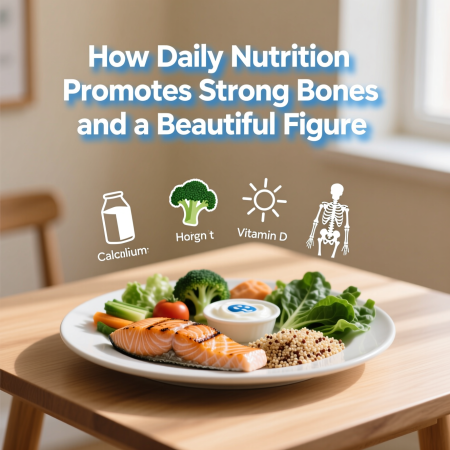
If you’ve ever wondered how daily nutrition shapes beautiful posture, you’re about to discover why what you eat matters just as much as how you sit or stand. Good posture isn’t just about looking confident—it’s about strong bones, flexible muscles, and reduced inflammation, all powered by the right nutrients every single day. In this post, we’ll break down the essential foods and dietary habits that build a graceful, pain-free stance from the inside out. Ready to transform your posture simply by changing your plate? Let’s get started!
Understanding Posture and Its Foundations
Ever wonder why your posture feels off by the end of the day? Or why some people stand tall and confident while others struggle with slouching or back pain? It all starts with the basics of how our body is built and supported.
Anatomy basics are key to understanding posture. Your spine acts as the main support column, holding you upright. Alongside it, the core muscles—including abs, back, and pelvic muscles—work like a natural corset, stabilizing your body. Strong, healthy bones and connective tissues (like ligaments and tendons) keep everything aligned and flexible, allowing you to move without strain.
Common posture problems most of us face include:
- Slouching: often caused by weak back and core muscles.
- Forward head position: a result of poor neck alignment, usually from long hours looking down at screens.
- Swayback: an exaggerated curve in the lower back linked to excess weight or muscle imbalances.
So, why does nutrition matter for good posture? Simply put, poor nutrition can lead to deficiencies that weaken your muscles, bones, and connective tissues. Without enough essential nutrients, your body’s structural support suffers—leading to aches, instability, and poor alignment. On the other hand, a balanced intake of key nutrients strengthens your posture from the inside out, helping you maintain a healthier, more beautiful stance every day.
By focusing on diet alongside movement and habits, you can build a strong foundation for lasting spinal health and posture.
Key Nutrients Essential for Strong Posture
Good posture relies heavily on getting the right nutrients daily. Here are the essentials for keeping your spine, muscles, and bones in top shape:
-
Calcium and Vitamin D
These two work together to build and maintain strong bone density. Without enough calcium and vitamin D, bones can weaken and start to curve, leading to posture issues like kyphosis or scoliosis.
-
Magnesium
This mineral helps relax muscles and reduce painful spasms, which supports balanced alignment. It also plays a key role in nerve function, so your body can control posture muscles effectively.
-
Omega-3 Fatty Acids
Found in fatty fish and some nuts, omega-3s fight inflammation that causes joint stiffness and pain. Reducing inflammation keeps your spine mobile and comfortable.
-
Protein
Proteins repair and build the muscles around your spine and core. Strong muscles stabilize your posture, preventing slouching or forward head positions.
-
Vitamins C, K, and A
These vitamins boost collagen production, which is crucial for flexible ligaments and healthy bones. Collagen keeps connective tissues resilient and less prone to injury.
Signs you might be lacking these nutrients include muscle tension, fragile bones, or chronic inflammation that affects how you stand or move daily. Paying attention to these symptoms early helps you fix posture problems with good nutrition before they worsen.
For practical guidance on incorporating vitamin C into your routine—a key player in collagen support—check out detailed advice on choosing the best vitamin C serum. It complements dietary sources for skin and tissue health that support posture.
How Poor Nutrition Negatively Impacts Posture
Poor nutrition can seriously harm your posture by weakening the structural support your body relies on. Eating too many processed foods often leads to excess weight, which puts extra strain on the spine and shifts your balance. This added pressure can cause common posture problems like slouching or swayback.
Inflammatory diets, high in sugar and unhealthy fats, also cause joint pain and muscle tightness. This discomfort limits your range of motion, making it harder to maintain good alignment throughout the day.
Another issue is dehydration. When you don’t drink enough water, spinal discs lose their cushioning and flexibility. This reduction in disc health can cause stiffness and discomfort while also affecting your spinal alignment.
Keeping a balanced, anti-inflammatory diet and staying hydrated are essential parts of nutrition for good posture and overall spinal health. For tips on nutritious meals that support bone and muscle strength, check out these easy-to-follow guides on how to start home cooking and creating nutritious and delicious meals.
Top Foods to Incorporate Daily for Better Posture
Eating the right foods every day plays a big role in building and maintaining good posture. Here are some top posture-friendly foods loaded with the key nutrients your body needs:
- Dairy and alternatives like yogurt, milk, and fortified plant milks provide calcium and vitamin D, essential for strong bones and preventing spinal weakness.
- Fatty fish such as salmon and mackerel are rich in omega-3 fatty acids, which fight inflammation and keep your joints flexible.
- Leafy greens like spinach and kale offer magnesium and vitamins C and K, supporting muscle relaxation and collagen production for flexible ligaments.
- Nuts and seeds including almonds and chia seeds supply healthy fats and minerals that help maintain muscle function and bone health.
- Lean proteins such as chicken, eggs, and legumes are vital for repairing and building the core muscles that stabilize your spine.
- Colorful fruits and vegetables, for example, berries, sweet potatoes, and broccoli, are packed with antioxidants and nutrients that boost collagen and overall spinal health.
Incorporating these nutrient-dense, posture-supporting foods into your meals can make a noticeable difference in your daily stance.
Building a Posture-Supporting Daily Meal Plan
Creating a daily meal plan that supports beautiful posture starts with including foods rich in nutrients for good posture. Here’s an easy framework you can follow to keep your bones strong, muscles supported, and inflammation down:
Breakfast Ideas:
- Greek yogurt topped with fresh berries and a handful of nuts — this combo offers calcium, protein, and antioxidants to help collagen production and muscle repair.
- Smoothies with spinach, chia seeds, and a scoop of protein powder are great for magnesium, omega-3s, and core strength.
Lunch and Dinner:
- Grilled salmon served with leafy greens like kale or spinach and quinoa provides omega-3 fatty acids, vitamins, magnesium, and lean protein for spinal stability.
- Consider colorful veggies such as sweet potatoes or broccoli to boost vitamins A, C, and K, supporting flexible ligaments and strong bones.
Snacks:
- Almonds or mixed nuts supply healthy fats and minerals to relax muscles and maintain nerve function.
- Fresh fruit or homemade fruit smoothies deliver antioxidants and hydration, aiding disc cushioning and reducing inflammation.
Sample 7-Day Meal Framework:
- Rotate between these core foods to balance your macros: protein, healthy fats, and complex carbs.
- Make sure to include calcium-rich dairy or fortified plant alternatives daily for bone density.
Tips for Sustainability:
- Prepare meals in advance with batch cooking for busy days.
- Watch portion sizes to maintain healthy weight, reducing unnecessary strain on your spine.
- Practice mindful eating — slowing down and tuning into hunger signals helps avoid overeating processed or inflammatory foods.
Balancing these key nutrients through a posture-friendly diet supports not just your spinal alignment but your overall wellbeing.
Complementary Habits to Amplify Nutrition\’s Effects
Good daily nutrition sets the foundation for a beautiful posture, but pairing it with the right habits makes all the difference. Here’s how to boost your results:
Hydration: Drinking enough water is crucial for spinal health. Proper hydration keeps the discs between your vertebrae cushioned and flexible, supporting smooth alignment and reducing stiffness. Aim for at least 8 cups a day, adjusting for activity and climate.
Weight Management: Maintaining a healthy weight eases the pressure on your spine, preventing strain and poor posture. Balanced calories from nutrient-dense foods help avoid excess weight that pulls your body out of alignment and can worsen back pain.
Integrating Movement: Combine your nutrition with light core exercises to strengthen the muscles that stabilize your spine. Simple activities like planks, bridges, or gentle yoga improve muscle tone, helping you maintain an upright, confident stance naturally.
Avoiding Pitfalls: Cut back on sugar, processed foods, and excessive caffeine, which contribute to inflammation and muscle tightness. An anti-inflammatory diet supports joint health and reduces discomfort that can translate into poor posture habits.
By adopting these complementary habits, you maximize the benefits of nutrients for good posture and create a foundation for lasting spinal health. For more on building confidence through your posture and appearance, check out tips on how to be more confident.
Long-Term Benefits and Real Results
Good daily nutrition does more than just support your spine—it transforms your whole posture and health over time. Here’s what you can expect when you stay consistent:
Improved Appearance
- Taller, straighter stance
- More confident body language
- Reduced slouching and forward head position
Health Gains
- Less back and neck pain thanks to stronger muscles and joints
- Better mobility and flexibility for daily activities
- Lower risk of osteoporosis due to healthier bones supported by calcium and vitamin D
How to Track Your Progress
Tracking your results helps keep motivation high and shows clear improvements:
| Method | Why It Helps | Frequency |
|---|---|---|
| Photos | Visual proof of better alignment | Weekly or monthly |
| Posture checks | Notice subtle changes in stance | Daily self-review |
| Pain and mobility log | Track decreases in discomfort | Weekly |
Regular monitoring lets you fine-tune your diet and habits to keep improving. Remember, beautiful posture reflects a healthy lifestyle, combining nutrition, movement, and self-awareness.