
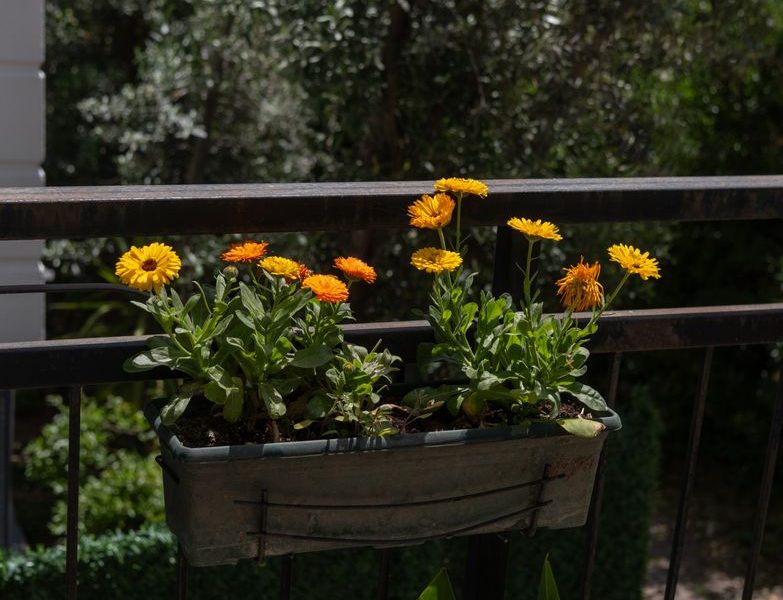
Most people think a late-summer balcony refresh means buying a few flowering plants and wrapping lights around the railing. That is how balconies become crowded, thirsty, and strangely bright. After several years of rearranging my own small outdoor space, I now start with three less glamorous questions: how much sun reaches the floor, how much weight the structure can carry, and where rainwater actually goes.
The best refresh feels easy because the layout does most of the work. Plants handle the hot edge, softer light draws attention toward the seating area, and every pot stays close enough to water without dragging a hose through the home.
Start With Heat, Wind, and Weight
Heat, wind, and weight decide more balcony projects than color ever does. A south-facing upper-floor balcony can turn a black planter into a hot box by mid-afternoon, while a shaded corner may stay damp for days after rain. Wind also dries leaves faster than the weather forecast suggests, especially when air moves around a tall building.
Check the balcony’s real conditions
Stand outside at 9 a.m., noon, and 4 p.m. for one clear day and write down where direct sun lands. Measure the usable floor width, railing depth, and the distance between the door and the safest plant position. Keep heavy containers on the floor rather than hanging them from a railing unless your building rules and hardware clearly allow it. Wet soil is much heavier than dry soil, and a large ceramic pot can become difficult to move after one deep watering.
Give the refresh one clear job
My preferred layout has one purpose per zone: a leafy screen where privacy matters, a low planter near the chair, and light aimed at the place where people sit. Do not fill every empty patch. Leave a clear walking path at least 24 inches wide and keep vents, drains, doors, and emergency access open. A balcony with fewer objects feels larger and is easier to maintain.
The verdict is simple: solve exposure and movement first, then choose plants and lighting that fit those limits.
Map Sun and Shade Before Buying Anything
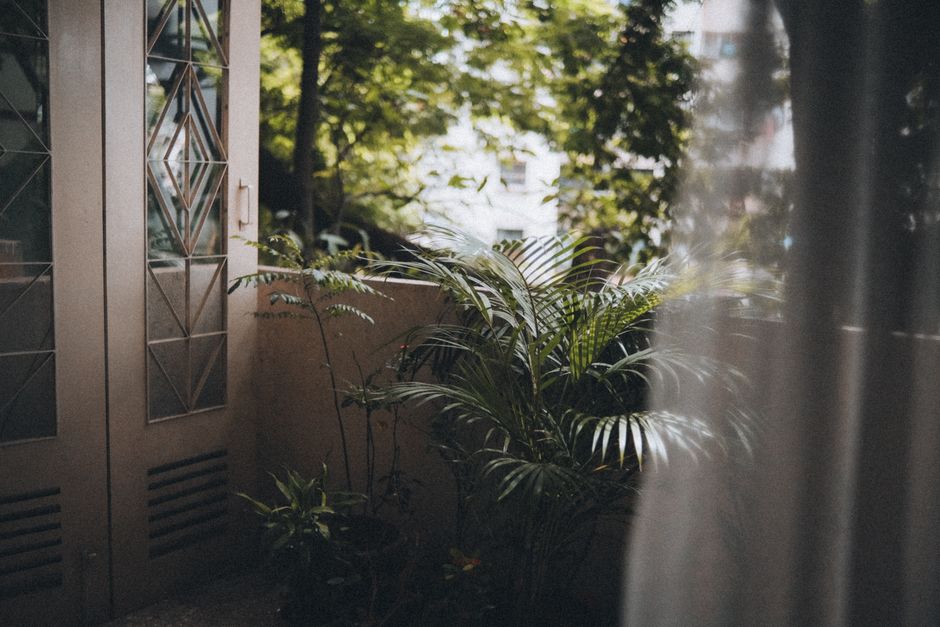
A late-summer balcony needs a sun map, not a guess based on the direction your windows face. Buildings, neighboring balconies, awnings, and trees can remove several hours of light, so I mark the floor with removable tape and watch the bright patches move across it. Plants that need six hours of direct sun will not thrive because a balcony faces south if a nearby wall blocks the afternoon.
Use three labels: full sun for six or more hours of direct light, part sun for roughly three to six hours, and bright shade for strong indirect light with little direct sun. The label matters because a plant can look fine for two weeks after purchase and then collapse when heat, dry wind, and a small pot combine. Late summer is less forgiving than spring because the container warms quickly and the plant has less time to recover from missed watering.
Place sun-loving flowers at the outer edge only if the railing does not create dangerous wind. Put leafy plants on the shaded side of a chair or privacy screen, where reflected heat is lower. I also leave a hand’s width between containers so air can move around leaves and so I can spot pests before they spread.
The strongest plan uses the balcony’s existing shade as free protection. Buy plants for the light you actually measured, not the light you wish you had.
Choose Lighting by Output, Not by Appearance
Soft lighting should make the balcony comfortable, not turn it into a small parking lot. These three options show the tradeoff clearly. Prices are U.S.
| Lighting option | Published details | Best use | My verdict |
|---|---|---|---|
| IKEA SOLVINDEN 12-light outdoor chain | $39.99; 2.0 W; IP44; 8.4 m total length; 15 lm | Low, decorative glow along a wall or railing | Best value when you already have a safe outdoor outlet |
| IKEA SOLVINDEN 12-light battery chain | $12.99; uses 3 AA batteries; no cord across the floor | Small balcony with no convenient outlet | Best for temporary, low-cost refreshes |
| Philips Hue Lily outdoor spotlight, 3-pack base kit | $389.99; 8 W per light; IP65; about 600 lm per standard Lily; Hue Bridge required | Highlighting a wall, tree-like plant, or architectural feature | Buy only if you already value smart-light control |
| Warm white portable lantern | Choose 2,200–2,700 K and about 100–300 lm | Table lighting without glare across the room | Best starting point for renters and shared balconies |
The IKEA plug-in chain is my clear winner for atmosphere because its low output creates a glow rather than a beam. The Philips Hue Lily is technically better for control and weather resistance, but it is an expensive answer to a problem that a warm portable lantern often solves for under $50.
Reset the Balcony in Five Practical Passes
- Clear the floor completely. Remove dead plants, cracked pots, tangled cords, and anything you have not used since spring. Sweep out leaves and check that the drain remains open. This reveals the actual space before new objects hide it again.
- Measure before moving furniture. Keep at least 24 inches for the walking path and check that a chair can pull back without striking a planter. On a narrow balcony, a foldable chair usually earns its space more than a second side table.
- Place containers by water need. Put thirsty flowers closest to the door and drought-tolerant plants farther away only if you can still reach them safely. Use a finger test two inches below the soil surface instead of watering on a fixed calendar.
- Add the light after sunset. Turn on each fixture when the sky is dark. Aim for a warm pool around the seating area, and cover or redirect any bulb that shines into a neighbor’s window. A single low lantern often gives more comfort than a bright line across the entire railing.
- Test the layout for one week. Notice where water splashes, where wind pushes leaves, and which chair position you actually use. Move one item at a time. If a pot needs to move every time you sweep or water, it is in the wrong place.
This five-pass method prevents the common late-summer mistake of decorating first and discovering practical problems later. It also gives you a useful stopping point: once the path is clear, the plants are reachable, and the light is comfortable, the refresh is finished.
Balcony Refresh Questions I Hear Most Often

Should balcony lights be warm white or colored?
Warm white is the better default for a small balcony. Choose roughly 2,200–2,700 K for a relaxed glow that makes skin, food, and foliage look natural. Colored lights can be fun for a meal or party, but permanent saturated color makes a small space feel visually busy. The multicolor IKEA SOLVINDEN chain works best when used for occasional mood rather than left as the only light every evening.
Is the Philips Hue Lily worth the price for a balcony?
For most people, no. The Philips Hue Lily 3-pack gives you strong control, IP65 protection, dimming, and a 2,000–6,500 K range, but the base kit costs $389.99 and needs a Hue Bridge. It makes sense for someone who already owns Hue equipment and wants to highlight a textured wall or prized plant. For a renter, a warm portable lantern or a simple outdoor-rated chain is the smarter choice.
How many plants fit on a small balcony?
Start with three to five containers, then live with them for a week before adding more. A useful small-balcony mix is one tall plant, two medium flowering plants, and one herb or trailing plant. The Proven Winners Supertunia Mini Vista can spread 18–24 inches, so two mature plants may fill more space than their nursery pots suggest. Crowding plants together creates shade, poor airflow, and a watering chore that becomes easy to skip.
Make the Refresh Last Into Early Fall
A good late-summer balcony refresh should become easier after the first week, not demand a new rescue mission. I remove fading flowers, pinch back leggy stems, and rotate containers if one side grows toward the light. I also check the underside of leaves once a week for mites, aphids, and sticky residue. Catching a small problem early is faster than treating an entire group of crowded pots.
Protect the useful parts
Use outdoor-rated cords and fixtures, keep connections off the floor, and follow the lighting maker’s weather instructions. Do not run an indoor extension cord through a wet doorway. Do not attach heavy planters to a railing with improvised wire. These shortcuts save minutes and create problems that have nothing to do with style.
Spend the last dollars on maintenance
If your budget is limited, buy better soil, a reliable watering can, and a timer before adding another decorative object. A $13 battery light can create a pleasant evening, but no light can rescue a plant sitting in compacted soil with a blocked drain. My favorite balconies are not the ones with the most items; they are the ones where every item earns its space.
The single most important takeaway is to match plants and soft lighting to your balcony’s real light, wind, weight, and water limits before you buy anything.