
How to audit the shelf in 20 minutes
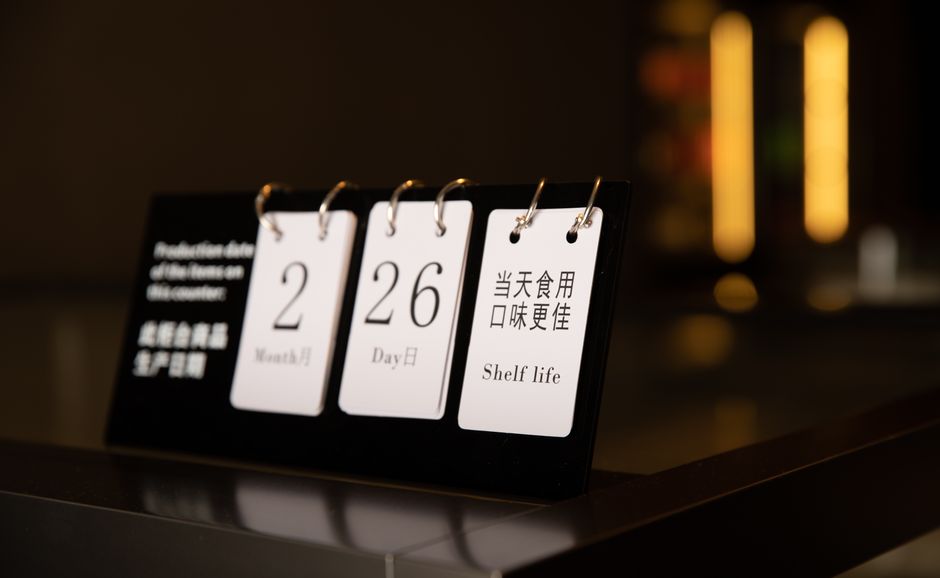
The fastest edit uses decisions, not indecision. Put every product on a towel, check the opening date, and give each item a score from zero to two for actual use, skin comfort, and job coverage. A product that scores zero on two categories has already made the decision for you.
- Clear one working area. Do not audit the entire bathroom at once. Start with skincare and makeup used between Monday and Friday.
- Check the dates and texture. Toss products that smell different, separate after shaking, change color, grow visible particles, or cause a new burning sensation. A batch code can help with age, but the date you opened the product matters more for daily use.
- Write the job beside each item. Use plain labels such as “cleanse,” “protect,” “even tone,” “add color,” or “calm irritation.” If two products have the same job, compare finish, tolerance, and frequency of use.
- Make a keep, quarantine, and discard row. Quarantine means the item needs a patch test, a shade check, or a decision after one week. It should not return to the main shelf until it earns that space.
- Build a weekday sequence. A practical morning can have cleanser, moisturizer if needed, sunscreen, and one makeup step. A practical evening can have cleanser, treatment, and moisturizer. Extra steps need a specific role.
- Photograph the keep row. The photo becomes a shopping brake. Before buying another serum or tinted base, compare it with what already exists.
Do not donate opened eye products or anything with questionable hygiene. Unopened, unexpired items can go to a local mutual-aid group or community organization if its rules allow cosmetics. The cleanest shelf edit is also the one that sends less usable product into the trash.
How to read clean beauty claims without getting fooled
The word “clean” can describe a brand philosophy, a retailer standard, a banned-ingredient list, or simple marketing language. Those are not the same thing. A shelf edit should start with the formula’s real job, then check the claim. If a product promises calm skin, look for a short, readable ingredient list and a use pattern that does not require five matching products. If it promises glow, separate temporary light reflection from a longer-term change in pigmentation or texture.
Check the claim against the label
“Fragrance-free” means something different from “unscented.” An unscented product can contain masking fragrance, while fragrance-free usually means the brand did not add fragrance ingredients; labels still deserve a close read. “Botanical” does not guarantee low irritation. Essential oils can smell pleasant and still bother reactive skin. “Mineral SPF” identifies zinc oxide or titanium dioxide as the UV filters, but it does not remove the need for adequate application or reapplication.
Separate safety language from performance language
A brand can avoid a particular ingredient and still sell a product that pills, dries the skin, fades quickly, or fails to match your shade. Safety, tolerance, finish, wear time, and environmental packaging are separate questions. Ask five direct questions: What does this product do? Which ingredient or filter performs that job? How often will I use it? What will replace it if I stop buying it? What evidence does the brand provide beyond a green package and a short slogan?
Use a simple evidence ladder
Start with the full ingredient list and directions. Then check the brand’s testing information, independent retailer reviews with verified purchase details, and return policy. Treat dramatic before-and-after images as weak evidence unless lighting, timing, and use duration are clear. A product with a familiar ingredient and a modest claim earns more trust than a vague formula described as revolutionary. The cleanest decision is often the least exciting one: a product with a clear job, a tolerable texture, and a label you can understand.
The strongest call: keep one multitasking base, not three
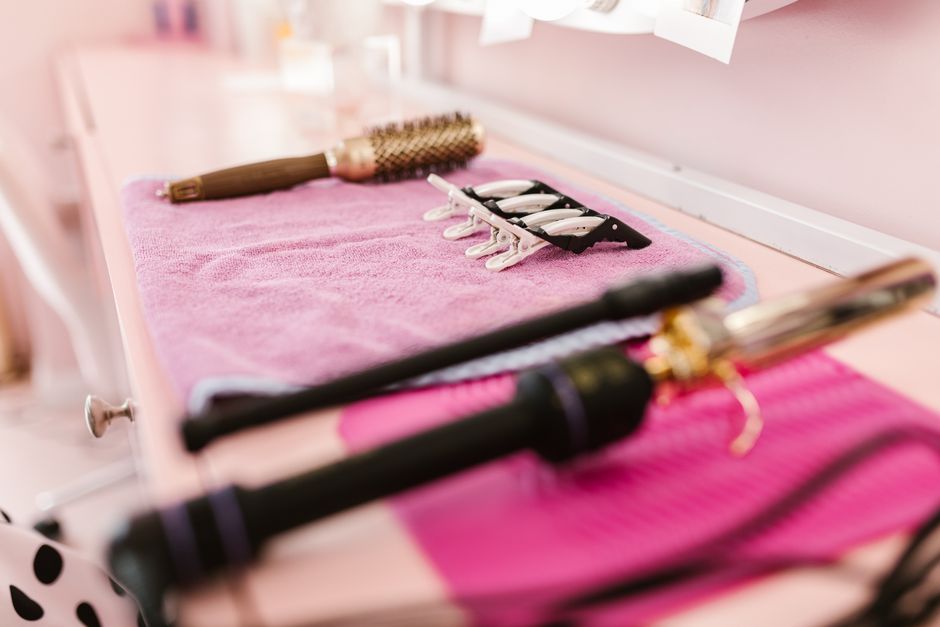
For busy fall mornings, one dependable complexion base beats a drawer of half-used foundations. The best choice is the formula that matches your normal coverage and your actual finish preference, not the one with the longest skincare story. A multitasking base saves time only if it gives enough coverage without extra concealer, does not separate by lunch, and has a shade you can wear in changing daylight.
Saie Slip Tint Tinted Moisturizer is a practical pick for sheer, dewy coverage because the product lists 40 mL of formula, SPF 35, hyaluronic acid, licorice root extract, and non-nano zinc oxide. It suits someone who wants a light weekday base and already understands that its SPF should not replace a full sunscreen application. The clear tradeoff is coverage: visible blemishes will still need a separate spot product.
ILIA Super Serum Skin Tint SPF 40 is the stronger choice for someone who wants light-to-medium coverage in one step. The 30 mL bottle is listed at $48, and the formula is offered in 30 shades. Its mineral SPF, hyaluronic acid, niacinamide, and plant-based squalane make the pitch easy to understand, but the dewy finish may feel too rich on oily skin or in a warm office.
My recommendation is Saie for a low-maintenance, sheer routine and ILIA for more visible tone evening. Do not keep both unless they serve two different jobs, such as a very sheer summer tint and a more polished workday base. Like premiums, beauty costs vary by state taxes, retailer, and individual factors such as shade, skin sensitivity, and how quickly you use a product.
What should change when fall makes skin drier?

The best fall adjustment is usually fewer aggressive steps and more consistent barrier support. Cooler air, indoor heating, wind, hot showers, and longer days under makeup can make skin feel tight even when the underlying problem is irritation rather than a need for more active ingredients; start by reducing cleansing time to about 30 seconds, use lukewarm water, apply moisturizer while skin is still slightly damp, and keep sunscreen in the morning because shorter days do not remove ultraviolet exposure, then add only one richer layer if tightness continues for a full week, since piling on exfoliating acids, retinoids, essential oils, and multiple “detox” masks at the same time makes it harder to identify the trigger and can turn a manageable seasonal change into peeling, stinging, or persistent redness.
If a product burns, stop using it instead of pushing through for a promised adjustment period. Persistent swelling, cracking, hives, or painful inflammation deserves medical advice, not a larger clean beauty haul.
When not to buy clean beauty at all
A shelf edit can end with a purchase, but it often should not. Buying a new “clean” replacement for every item creates cost, waste, and a fresh round of testing. The strongest consumer position is to keep a conventional product that works, is tolerated, and has not expired when the proposed replacement offers only a different label or prettier packaging.
- Do not buy a new cleanser for a label change. If your current cleanser is comfortable, removes what it needs to remove, and does not leave residue, replace it only when it runs out or causes a clear problem.
- Do not buy a treatment to solve a vague goal. “Glow,” “detox,” and “freshness” are not measurable enough. Choose a specific goal such as reducing dry patches or evening the look of dull tone, then test one change at a time.
- Do not buy a clean fragrance product for sensitive skin. Botanical extracts and essential oils can still trigger irritation. Fragrance-free is a more useful filter than a green package.
- Do not buy a replacement before checking the return rules. Shade mismatch and irritation are common failure modes. Keep receipts, patch test new formulas, and avoid opening several products at once.
- Do not buy a second product that cannot survive your schedule. A 10-step routine has a poor chance of surviving school mornings, travel, or late workdays. Choose the product you can apply correctly on an ordinary Tuesday.
The final shelf should cover the basics: cleanse, moisturize when needed, protect from the sun, and add makeup only where it improves the way you want to look. Everything else is optional. If a product does not earn regular use, skin comfort, or a clear result, its place belongs to the budget, not the bathroom.