How can you make a small home desk corner feel calm, warm, and ready for work before the first cold morning arrives? Start with the space, not the decorations. A good autumn desk corner gives you one clear surface, comfortable light, and a short routine that tells your brain when it is time to begin.
What makes an autumn desk corner feel calm?
The best setup has fewer visual decisions. You should be able to sit down and see the screen, notebook, water, and one useful light without moving a pile of chargers or searching for a pen. My verdict: calm comes from clear limits, not from filling the corner with seasonal objects.
Give the corner one main job
Choose the main task before you arrange anything. If the space is for laptop work, leave enough room for the laptop, a mouse, and a notebook. If children also use it for homework, reserve one shallow tray for pencils and school papers. Do not create a shared surface that has no owner. That is how mail, beauty products, toys, and food wrappers take over.
Add warmth without adding clutter
Use two or three autumn cues: a rust-colored cushion, a small bowl for acorns, or a wool-texture mat under the keyboard. Keep the color palette narrow, such as cream, brown, dark green, and muted orange. Avoid tall decorations behind the screen because they create movement in your peripheral vision. A desk corner feels more restful when the wall behind it stays quiet and the seasonal detail sits below eye level.
Choose one scent source at most. A simmer pot in the kitchen is safer around screens and children than an open candle beside a notebook. The clear winner for a shared family home is a scent-free desk with visual warmth.
How should you choose the corner and desk size?
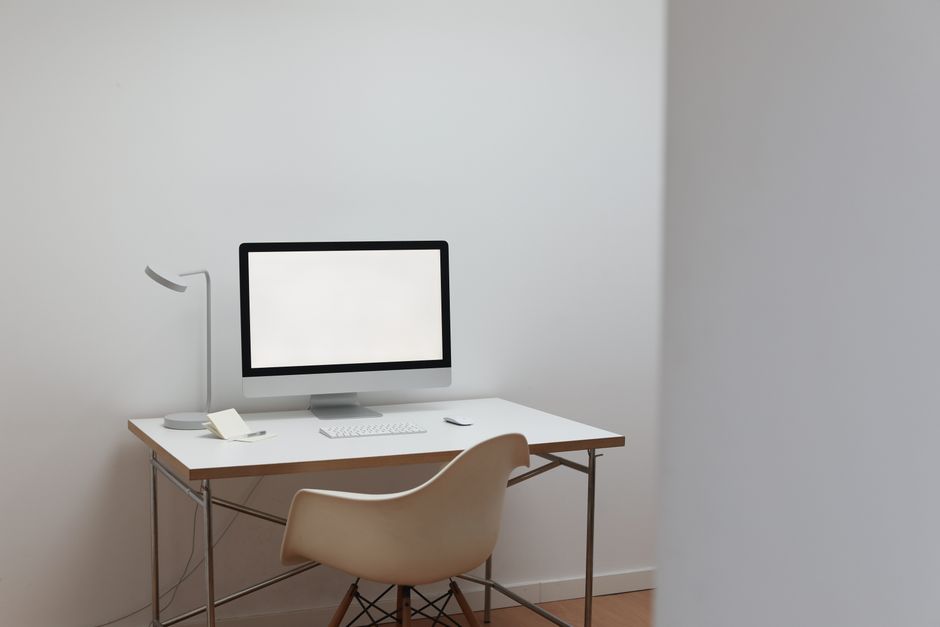
Place the desk where daylight reaches the room from the side. A window directly behind the monitor creates reflections, while a window in front of the screen can make you squint. The most practical layout usually places the desk at a right angle to the window, with the brighter side on your non-writing hand.
Measure before moving furniture
Use masking tape to mark the desk footprint on the floor for one day. Leave at least 75 cm behind the chair so you can stand without hitting a wall or cabinet. For a laptop-only station, 90 by 50 cm is workable. For a monitor, notebook, and lamp, choose at least 120 by 60 cm. If the corner is shared, 140 by 70 cm gives two people more breathing room.
| Desk use | Minimum width | Useful depth | Best placement |
|---|---|---|---|
| Laptop and notebook | 90 cm | 50 cm | Side-on to a window |
| Monitor and keyboard | 120 cm | 60 cm | Perpendicular to daylight |
| Shared homework corner | 140 cm | 70 cm | Near storage, away from traffic |
Control the background
Remove anything that demands a decision during work: open laundry baskets, unpaid bills, and snack bowls. If you cannot move them, place a low basket beside the desk and hide the visual noise before you sit down. The strongest setup is the one that still looks usable after a busy family morning.
How do you create warm, glare-free desk lighting?
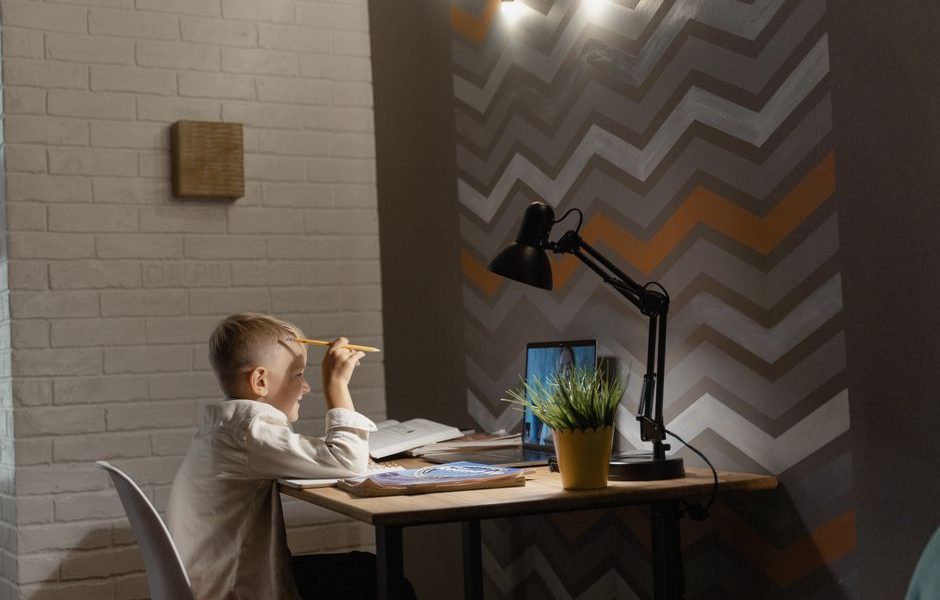
Use layered light: daylight for the room, a warm lamp for the desk, and a low background light for late afternoons. One harsh ceiling bulb makes the screen look bright while the rest of the room disappears. That contrast causes eye strain and makes the corner feel more like a work station than a comfortable part of the home.
Set the lamp at the right angle
Place the lamp 30 to 45 cm from the keyboard and aim it across the work surface, not straight at the screen. A 2700K to 3000K bulb gives an autumn warmth without turning white paper yellow. The IKEA Forsa work lamp costs about $30 and uses a replaceable E26 bulb, so it is the best low-cost pick when you want a simple metal lamp with no app.
Choose smart controls only when they solve a problem
The BenQ ScreenBar Halo costs about $180 and attaches to the top of a monitor. Its front and rear light controls help in a dark room, but it is unnecessary for a laptop-only desk. A Philips Hue White Ambiance A19 bulb costs about $25 and lets you set a warmer evening scene, yet it needs a compatible bridge or Bluetooth setup. My verdict: buy the IKEA Forsa for a basic corner, the ScreenBar Halo for a monitor that causes glare, and the Hue bulb only if timed lighting will help your household switch off at night.
- Turn on room light first.
- Set the desk lamp to warm white.
- Lower screen brightness until white pages no longer look like a light source.
- Check for reflections from the window before opening your work.
Which chair and desk accessories deserve space?
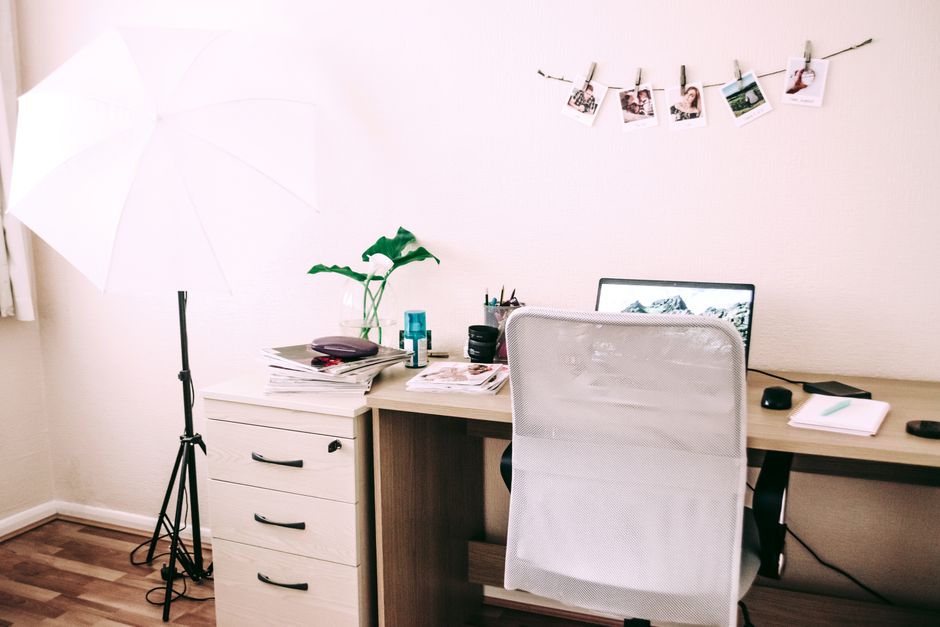
Buy the chair before the accessories. A calm desk cannot compensate for a seat that makes your lower back ache after 30 minutes. My practical winner for long sessions is the Branch Ergonomic Chair at about $349 because it has adjustable seat depth, armrests, and lumbar support. Its price is higher than a basic office chair, but the adjustment range matters more than a decorative finish.
Compare the main seating choices
| Product | Typical price | Useful specification | Verdict |
|---|---|---|---|
| Branch Ergonomic Chair | About $349 | Adjustable seat depth and armrests | Best for daily work |
| IKEA MARKUS | About $289 | High back and fixed armrests | Best for taller users on a budget |
| Basic folding chair | About $25 | Easy to store, little support | Only for short sessions |
Keep the top surface simple
The Logitech MX Keys Mini costs about $99 and saves space because it has a compact layout, but it is not necessary if your laptop keyboard feels comfortable. Add a $12 cable box only when loose cables cross your feet. Use a vertical file holder for current papers and one small tray for daily items. Do not buy a desk shelf until you know what must stay within reach. My clear recommendation is one supportive chair, one writing tool, and one storage container before any decorative upgrade.
What autumn desk mistakes make a corner feel worse?

The most common mistake is buying atmosphere before fixing comfort. A knitted throw, amber lamp, and wooden tray cannot solve glare, poor chair height, or a desk that is too shallow. Fix the physical problems first, then add one seasonal detail.
Mistake: placing the desk in a busy path
A corner beside the kitchen door may look convenient, but constant movement breaks focus and makes the desk feel temporary. Move it at least one chair-width away from the main walkway. If that is impossible, use a low screen or bookcase to create a visual boundary without blocking natural light.
Mistake: using too much warm light
Very orange light can make paper hard to read and may encourage you to lean toward the screen. Keep the task lamp warm, but use a neutral room bulb around 3500K to 4000K when you need to read small text. Another mistake is putting a candle beside a laptop, fabric, or children’s homework. Choose a battery candle or a kitchen simmer pot instead.
Skip a standing desk converter if it leaves less than 60 cm of usable depth. Skip a large monitor if the corner cannot hold the screen at arm’s length. Skip open shelving when you know you will fill it with unsorted objects. These limits protect the calm you are trying to create.
Which setup works for your room and budget?
For most homes, the best plan is a 120 by 60 cm desk, a supportive chair, one adjustable lamp, and a 20-minute reset. Spend money on the chair and lighting before seasonal decor. The setup should support focused work from September through winter, not just look attractive for one weekend.
Match the setup to the space
- Small bedroom corner: use a 90 by 50 cm desk, a folding chair for short sessions, and a wall-mounted document holder.
- Living room: use a 120 by 60 cm desk, a chair that can slide fully underneath, and a closed basket for work items.
- Family homework zone: use a 140 by 70 cm surface, separate pencil trays, and a lamp that can tilt toward each person.
- Daily home office: choose the Branch Ergonomic Chair, side-on daylight, and a monitor light if reflections remain after repositioning.
Final comparison
| Priority | Spend first on | Skip for now | Best result |
|---|---|---|---|
| Comfort | Chair adjustment | Decorative cushion | Longer focused sessions |
| Visibility | Side lamp and window position | Extra string lights | Less glare and squinting |
| Calm | Closed storage basket | Open display shelves | Fewer visual decisions |
| Budget | Desk footprint and one lamp | Smart-home upgrades | A useful corner under $150 |
The winning autumn corner is the one you can reset quickly, use comfortably, and leave without creating a second chore. Keep the surface clear, keep the light adjustable, and let the season show up in small details.