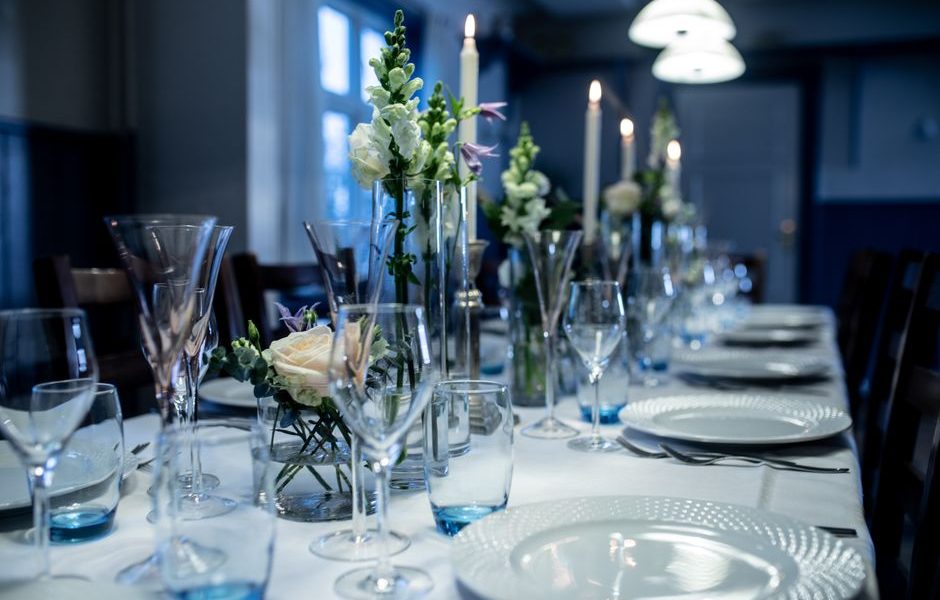
You have guests arriving in two hours, the table is covered in unopened parcels, and the Christmas decorations are either too shiny, too expensive, or missing half their pieces. Do not buy another themed bundle. A good Christmas table needs three things: a clear centerpiece, repeated color, and enough empty space for plates and elbows.
Start With a Three-Part Table, Not Christmas Clutter
My verdict: spend your money on one table runner, one light source, and one repeated natural detail. That combination looks finished because it gives the eye a path across the table. Ten unrelated decorations look cheaper, even when they cost more.
Choose a narrow base layer
Use a runner that is 30 to 40 centimetres wide, or fold a plain cotton tablecloth lengthways. Leave at least 20 centimetres of bare table showing at each long edge. A full red cloth, red plates, red napkins, and red ornaments creates one large block of color. A cream or natural base gives the table breathing room and makes inexpensive red, green, or gold accents stand out.
Build the centerpiece in a straight line
Place three low objects down the middle rather than one tall arrangement at the centre. Use a bowl of clementines, a few evergreen cuttings in a jam jar, and two or three candle holders. Keep the tallest item below 25 centimetres so guests can see across the table. The strongest budget trick is repetition: use the same green branch, ribbon, or color at least three times. The table will look planned without matching every item.
Do not decorate every spare centimetre. Plates, serving dishes, wine glasses, and folded napkins already fill the table. Decoration should frame dinner, not compete with it.
Use the 30-Minute Budget Setup Order
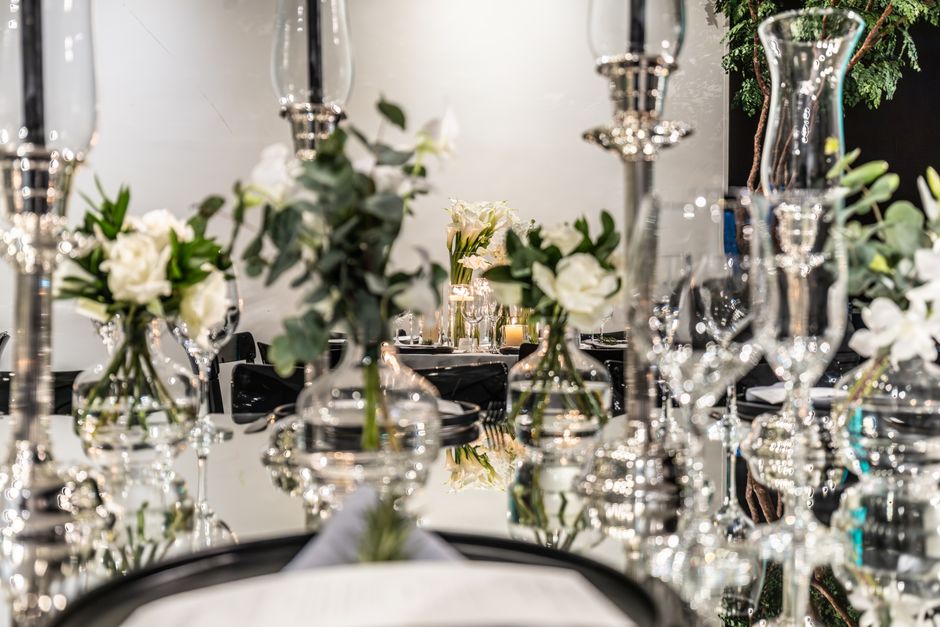
The best order is practical, not decorative: clear the table, measure it, set the furniture, then add color. Starting with ornaments wastes time and usually leaves no room for food.
Follow these six steps
- Clear the surface. Remove mail, chargers, toys, and anything that does not belong at dinner. Wipe the table before adding fabric.
- Measure the usable space. Allow about 60 centimetres of table width per guest and keep a central strip at least 25 centimetres wide for serving dishes.
- Pick two colors. Use one main color, such as forest green, burgundy, or warm white, plus one small accent. Three strong colors usually look messy on a small table.
- Add the base layer. Put down the runner, folded cloth, or placemats. If the fabric is wrinkled, hang it in a steamy bathroom for ten minutes instead of buying a new one.
- Set the practical pieces first. Place plates, cutlery, glasses, and napkins before the centerpiece. This shows you exactly how much decoration the table can handle.
- Finish with light and texture. Add candles, greenery, paper stars, pinecones, or fruit only after every guest has enough elbow room.
This order solves the most common problem: a pretty table that cannot hold the meal. If you are serving a large roast, several side dishes, or a buffet from the table, skip a wide centerpiece entirely. Use small place decorations instead.
A $50 Table Budget Beats Random Small Buys
Set the budget before shopping. A $50 ceiling is enough for a simple table for four to six people if you buy reusable basics and avoid single-use novelty pieces. The table below gives each dollar a job.
Use this spending plan
| Item | Quantity | Budget cap | Why it earns space |
|---|---|---|---|
| Plain runner or fabric remnant | 1 | $12 | Creates the visual base |
| Unscented candles or LED lights | 6 to 12 | $10 | Adds evening warmth |
| Evergreen branches or supermarket herbs | 1 bunch | $8 | Adds texture and scent |
| Napkins | 6 to 12 | $8 | Repeats the chosen color |
| Fruit, pinecones, or paper accents | 1 small group | $7 | Fills gaps without clutter |
| Contingency | Not applicable | $5 | Covers tape, ribbon, or replacements |
That total is $50, but the plan works at $25 too. Cut the runner and use the bare table, then spend on light and greenery. Do not spend the contingency on extra ornaments. Keep it for practical problems such as a missing candle holder, a stained napkin, or a length of ribbon that is too short.
Know where to save
Save on color and texture. Use brown paper as a placemat, plain drinking glasses, fruit from the grocery shop, and cut branches from a safe garden source. Spend slightly more on anything you will use again, especially a washable runner or a reliable set of candle holders. One reusable item is better than six decorations that only work for one Christmas theme.
Which Budget Pieces Are Worth Buying?
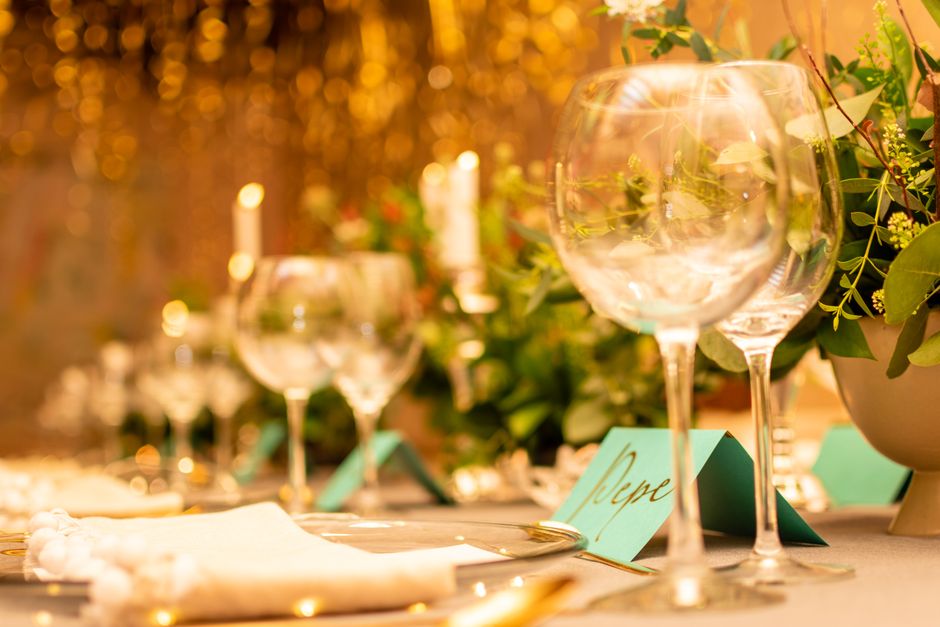
The products that deserve money are the boring, reusable ones. Skip novelty centrepieces and buy items that solve a real table problem. Prices vary by country and sale, so use these figures as shopping limits rather than promises.
Is the IKEA VINTERFINT napkin pack worth it?
Yes, if you need color quickly. The IKEA VINTERFINT paper napkins, usually sold in a 30-pack for about $3.99, give a small table an instant repeated accent. Fold them into rectangles instead of complicated shapes. Paper napkins are the right choice for a large family meal, children, or a table where laundry is already a problem. They are not the best choice if you want a formal setting or plan to reuse the decoration for several years.
Are IKEA GLIMMA tealights a smart buy?
Yes, for a low centerpiece. A 100-pack of IKEA GLIMMA unscented tealights is often around $8.99, making the cost per light low enough for a full table. Use six to eight in glass holders and keep them at least 10 centimetres from greenery, napkins, and sleeves. Choose unscented candles because scented wax can clash with food and bother guests.
Should you buy a Christmas tablecloth?
Only if you will use it beyond one meal. An H&M Home cotton tablecloth measuring about 145 by 250 centimetres can cost roughly $39.99, which takes most of a $50 budget. It is a good buy for someone who hosts often, but not for a one-night makeover. For one dinner, use a plain cloth, a fabric remnant, or a runner. The table will look calmer and you will keep more money.
One Strong Color Makes the Cheapest Table Look Better
Choose one holiday color and repeat it three times. That is the fastest way to make mismatched plates, borrowed glasses, and supermarket greenery look like one setting. Use burgundy in the napkins, fruit, and ribbon; use green in the branches, napkins, and place cards; or use warm white in candles, fabric, and paper details.
Keep the background quiet
Plain cream, wood, white, and clear glass are useful because they do not fight the color you picked. A patterned cloth can work, but only if the plates and centerpiece stay simple. The table should have one loud idea, not five competing ones.
Match the mood to the meal
For a relaxed family dinner, choose fruit, paper stars, herbs, and low lights. For a more formal meal, use fabric napkins, polished cutlery, and fewer objects. Do not copy a formal restaurant table if guests will be passing bowls across the centre. A comfortable table always looks more successful than a crowded one, even when the decorations cost almost nothing.
Avoid the Cheap-Looking Mistakes
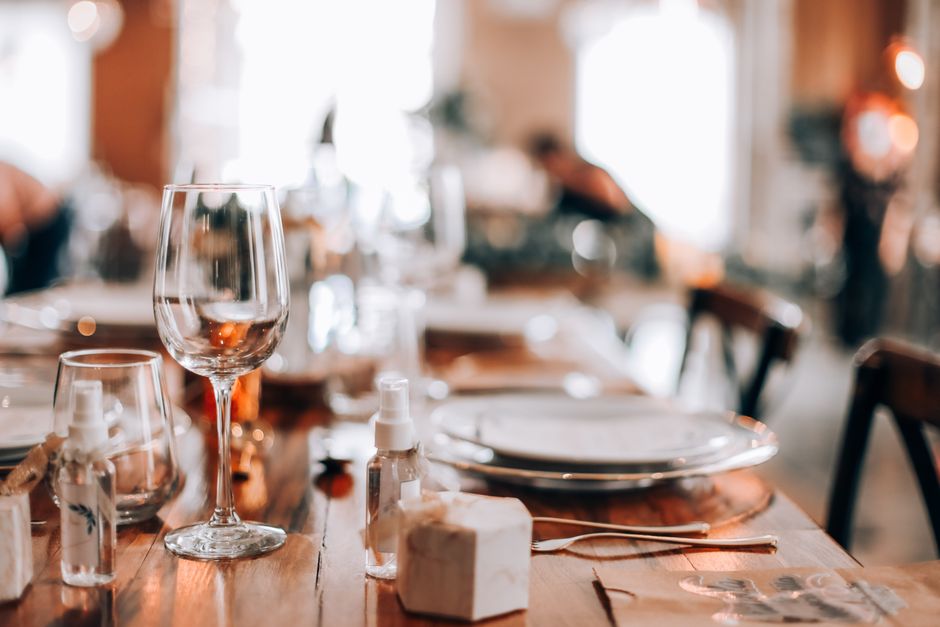
The biggest mistake is buying decoration before solving the table layout. A Christmas table looks cheap when it is crowded, badly lit, or built from too many unrelated colors. Fix those three problems first.
Watch for these failure points
- Tall centrepieces: Anything above eye level blocks conversation. Use low jars, bowls, or candle holders instead.
- Glitter everywhere: Loose glitter sticks to food, sleeves, and floors. Use one glitter detail on a place card or ribbon, not across the whole table.
- Scented candles: Strong vanilla, pine, or cinnamon can interfere with the smell of dinner. Unscented candles win.
- Flammable greenery: Keep fir, eucalyptus, paper, and ribbon away from open flames. Use LED lights if children or pets will move around the table.
- Too much red: Red plates, red cloth, red flowers, and red ornaments create visual noise. Pair red with natural wood, white, or clear glass.
- Single-use shopping: Do not buy a large themed set when you only need napkins and light. A small pack of IKEA VINTERFINT napkins and a few reusable holders will do more work.
Know when not to buy anything
If your table already has plain plates, glasses, cutlery, and a neutral cloth, stop shopping. Buy one bunch of greenery and use fruit from the kitchen. If the table seats more than eight people, skip candles and a central arrangement entirely; place small greenery sprigs beside each napkin instead. If you are hosting children, choose the Target Threshold 12-piece stoneware dinnerware set, usually around $35, only if you need durable everyday plates. Do not buy it just to create a Christmas look. The best budget table is the one that earns its place after dinner, too.