Northwestern University researchers confirmed what most consistent gym-goers already suspected: the clothes you train in change how hard you push. Their enclothed cognition study showed that wearing attire associated with performance increases focus and sustained effort. The fitness apparel industry built a $90 billion global market on the back of that psychology — and a lot of that $90 billion funds clothes that don’t actually perform.
Which means two things are true at once. What you wear to the gym matters. And most of what gets marketed to men as essential gym wear is overpriced, underperforming, or both.
Real brands, specific prices, outfit combinations that hold up through an actual training session — not just a locker room mirror.
The One Rule That Overrides Every Other Buying Decision
Fabric determines everything. A $22 polyester-blend shirt from Decathlon’s Domyos range will outperform a $65 cotton hoodie with a bold logo on every metric that matters during a workout — moisture management, range of motion, weight when soaked with sweat. If you’re still training in 100% cotton, you’re making your sessions harder than they need to be.
Buy fabric first. Brand second. Aesthetics third.
The Four Pieces That Build a Functional Gym Wardrobe
Most men either overbuy — a drawer full of gear rotated through randomly — or underbuy with three identical grey shirts going stale. A functional gym wardrobe needs exactly four core pieces, and the specs below are what to look for in each.
A Performance Top That Actually Breathes
Target fabric: 85–90% polyester, 10–15% elastane. That blend wicks sweat without going stiff between washes. Nike Dri-FIT tops ($35–50) hit this ratio consistently and hold up for 18–24 months of regular washing without the collar collapsing. For men who run hot during training, the Gymshark Speed top ($45) uses a mesh panel construction that’s functional — not just decorative cutouts added for visual effect.
Avoid any shirt labeled “dry-fit” that’s primarily cotton with a thin polyester shell. The label is a marketing choice, not a performance guarantee. Flip the tag and check the actual fiber content before you buy.
Shorts or Training Pants With the Right Inseam
Inseam length is where most men get this wrong. The standard for training shorts is 5–7 inches — short enough for full range of motion in squats and lunges, long enough that you’re not flashing the gym during a Romanian deadlift. Lululemon Pace Breaker shorts (7″ inseam, $78) are the premium pick, with a liner included that eliminates the need for separate compression shorts. For half the price, Under Armour Launch 5″ shorts ($35) perform comparably for most lifting and cardio sessions.
For colder environments or men who prefer full coverage, Gymshark Vital Seamless joggers ($55) eliminate the chafing points that traditional sewn-seam pants create during high-rep leg days. The seamless construction genuinely makes a difference on sessions over 45 minutes.
Training Shoes Matched to Your Actual Workout
One shoe does not serve all training types. This is where specificity matters most.
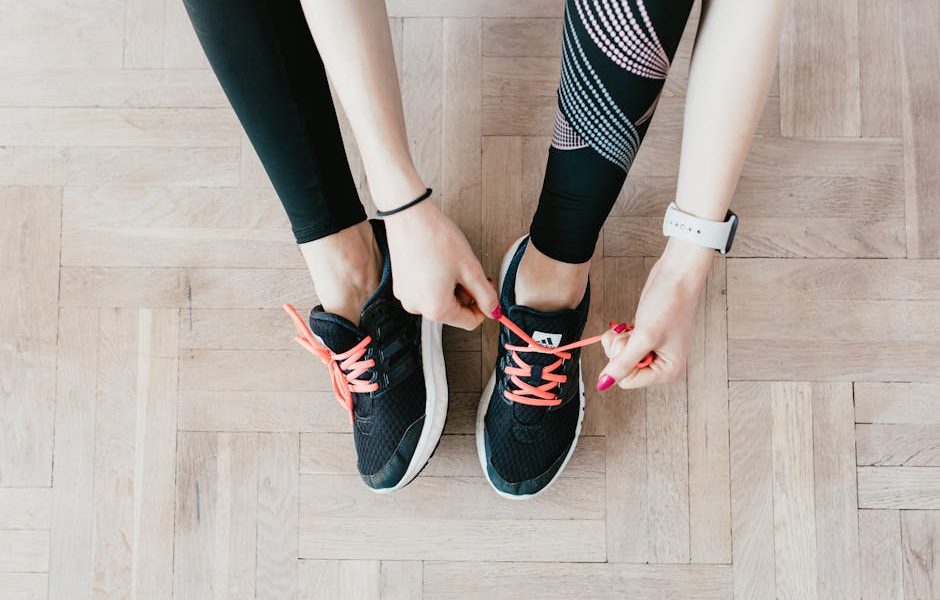
- Heavy lifting (squat, deadlift, press): Nike Metcon 9 ($130) or Reebok Nano X4 ($140). Flat sole, minimal cushion — keeps you stable under load.
- HIIT / circuit training: New Balance Minimus TR v2 ($100) or NOBULL Trainer ($139). Wide toe box, lateral support for lateral movement.
- Running only: Brooks Ghost 16 ($140) or ASICS Gel-Nimbus 26 ($160). Cushioned heel, forward-motion bias.
Wearing running shoes for heavy lifting is one of the most common form errors in any commercial gym. The cushioned heel in running shoes creates an unstable base under a loaded barbell — it changes your squat mechanics, not subtly.
A Compression Layer Worth Having
Not mandatory, but for men doing high-volume leg training or long cardio sessions, compression reduces chafing and muscle fatigue in ways that are measurable, not just anecdotal. Under Armour HeatGear Compression shorts ($30) are the reliable entry point. 2XU Compression tights ($80–100) are the performance upgrade for men who take recovery seriously. Compression at 15–20mmHg has been shown to reduce post-exercise muscle soreness in repeated sprint athletes — the research behind this is solid, not just brand marketing copy.
Brand vs. Brand: Where the Money Actually Goes
The price gap between budget gym wear and premium gear is real. Whether that gap represents actual performance difference depends on the brand and the specific piece. Here’s the honest breakdown:
| Brand | Price Range (per piece) | Fabric Quality | Durability | Best For | Skip If |
|---|---|---|---|---|---|
| Lululemon | $68–$128 | Excellent | 3–5 years | Daily trainers who want longevity over cycles | Budget is tight; you lose or shrink clothes regularly |
| Gymshark | $35–$65 | Very good | 2–3 years | Aesthetic-focused training, physique-oriented builds | You run hot — some lines have limited ventilation |
| Nike (Dri-FIT) | $30–$70 | Good to very good | 2–4 years | Versatile training, running, multi-sport crossover | You want premium hand-feel — some lines run thin |
| Under Armour | $25–$60 | Good | 2–3 years | Best value-for-performance ratio, compression pieces | You want standout aesthetics — UA leans utilitarian |
| Decathlon (Domyos) | $12–$30 | Decent to good | 1–2 years | Budget builds, beginners, backup pieces | You train 5+ days per week — wear rate will show fast |
| ASRV | $65–$120 | Excellent | 3–5 years | Aesthetic-performance balance at premium level | You don’t care how gear looks — price premium is mostly visual |
Bottom line: For men training 3–4 days a week, the Nike and Under Armour mid-range combination gives the best performance-per-dollar ratio. Lululemon and ASRV justify their premium only if you’re training daily and planning to wear the pieces for years. Decathlon is a legitimate option for beginners or anyone building a first gym wardrobe — the performance gap versus Nike is real but not dramatic at 3 sessions per week.
Five Outfit Combinations for Different Training Styles
The outfit that makes sense for a powerlifting session is actively wrong for a 45-minute HIIT class. Matching gear to training type matters more than most gym content will tell you.
- Heavy lifting (squat, bench, deadlift focus): Fitted 5–7″ shorts, a form-fitting top that won’t catch on the bar, flat-soled shoes. No loose fabric near the bar. No running shoes under load. Nike Metcon 9 + Gymshark Vital training shorts + Under Armour HeatGear compression top. Simple, functional, nothing that gets in the way of the movement.
- HIIT / circuit training: Lightweight shorts, moisture-wicking tee with mesh panels, cross-training shoes with lateral support. Avoid heavy waistbands — you’ll feel every burpee in them. Nike Dri-FIT Challenger 7″ shorts + Nike Dri-FIT Rise 365 top + NOBULL Trainer shoes.
- Running (outdoor or treadmill): 5″ running shorts with a built-in liner, lightweight singlet or fitted tee under 150g, dedicated running shoe matched to your gait. Lululemon Pace Breaker shorts + any singlet under 150g + Brooks Ghost 16. The liner in the Pace Breakers eliminates the need for separate compression shorts on longer runs — one less layer, one less friction point.
- Mobility / yoga / active recovery: This is where slightly looser fits earn their place. Full range of motion matters more than compression here. Gymshark Crest joggers + a relaxed-fit long-sleeve top. Barefoot or grip socks are fine. Don’t wear your training shoes into a yoga class — it’s unnecessary and your feet will perform better without them.
- Casual gym day (light session, walk-ins, machine work): Joggers, a clean crew-neck tee, trainers. One category where a more relaxed fit is genuinely fine. Under Armour Rival Fleece joggers ($55) + any fitted cotton-poly blend tee + your everyday trainer. The goal is comfortable and put-together, not optimized for peak output.
The Buying Mistake That Costs the Most Money Over Time
Buying gym clothes that are actually casual streetwear wearing a sporty logo is the single most expensive error men make with training gear. And it’s systematic.
A thick cotton “athletic” hoodie from a fast-fashion brand. Joggers labeled “performance” that are 60% cotton. A graphic tee that says something bold but sits heavy on your shoulders the moment you start sweating. These are wardrobe failures and wallet failures at the same time.
The pattern: men buy what looks athletic in a changing-room mirror, not what performs during an actual session. Then they replace the gear when it fails. They end up spending more than they would have if they’d bought one quality piece to start.
One Lululemon Metal Vent Tech short-sleeve shirt ($68) will outlast four $18 gym tees and feel noticeably better every session. The math only works against premium brands if you’re comparing one expensive piece to one cheap piece in isolation. Across 18 months of real use, the more expensive piece almost always wins on cost-per-wear — and that’s before accounting for the comfort difference that affects whether you actually show up.
The second version of this mistake: buying too trend-driven. The cropped hoodie that looked right in gym influencer content two years ago. The neon colorway that felt bold in January and dated by April. Brand-logo-heavy pieces that date fast. Gym wear built around timeless palettes — charcoal, navy, black, white, olive — stays relevant and versatile far longer than trend chasing does, and pairs better across combinations.
One practical rule: if you wouldn’t still want to wear it in two years, don’t spend more than $30 on it. Save the real budget for pieces you’ll train in consistently regardless of what’s trending.
Three Questions Worth Settling Before You Spend
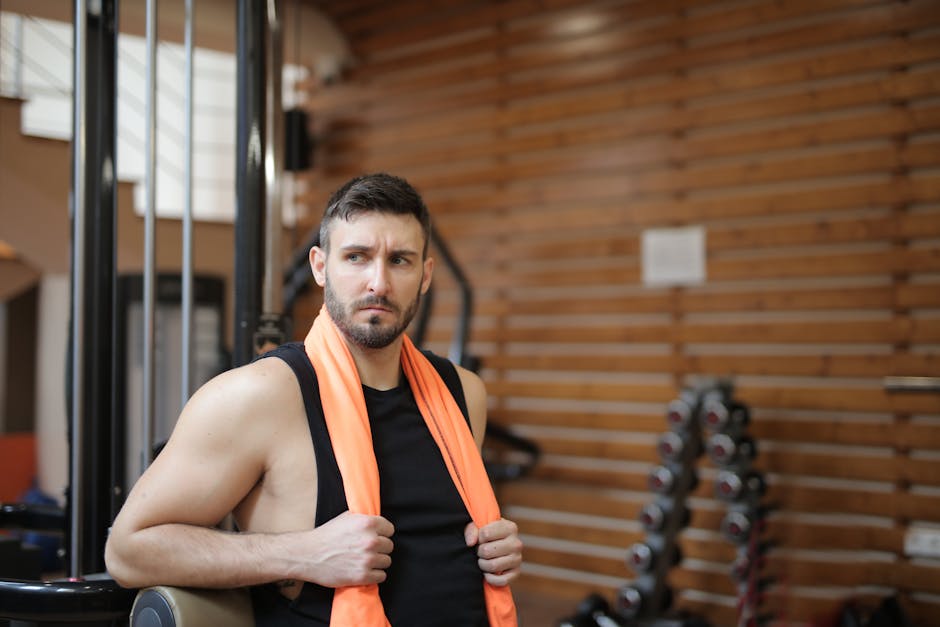
How much should a complete gym outfit actually cost?
A functional training outfit — shorts, top, shoes, socks — can be built for $100–130 at the budget end using Decathlon basics and a mid-range cross-trainer. A mid-range outfit with meaningfully better durability and comfort sits around $200–250. The premium tier, built around Lululemon or ASRV tops and performance shoes like the Nike Metcon 9, runs $400–500 for a full outfit. All three produce a workout. The premium tier earns its cost over time through durability and per-session comfort — not through any performance benefit that will show up on a barbell total.
Should gym clothes be tight or loose?
Fitted, not tight. There’s a real difference. Clothes that follow the body without compressing it to the point of restriction are the target. The Gymshark Apex seamless range is a useful reference for fit: it follows the body without squeezing. Overly loose gym clothing creates chafing risk on long cardio sessions and catches on equipment during lifting. Overly tight clothing restricts range of motion and looks uncomfortable because it is. The mobility and active recovery exception stands — looser is genuinely better there.
Do expensive brands actually perform better, or is it all branding?
Both things are true simultaneously, and the answer depends on which price jump you’re making. Moving from Decathlon to Nike or Under Armour mid-range represents a real performance and durability difference — better fabric ratios, better seam construction, better moisture management you’ll feel within the first three sessions. Moving from Nike mid-range to Lululemon premium represents a smaller performance gap and a larger comfort and longevity difference. Moving from Lululemon to ASRV is mostly aesthetics with some specific performance refinements. Know which jump you’re actually making before deciding whether it’s worth the money.
The best gym outfit is the one you want to wear consistently enough to show up — and no spec sheet will tell you that.