Want warm autumn makeup that looks soft and inviting instead of thick, orange, or overly dramatic? The fix is not adding more bronzer. It is choosing the right color temperature, using thinner layers, and keeping the strongest shade in one place.
Autumn makeup works because it repeats colors found in the season: cinnamon, clay, toasted brown, muted berry, camel, and warm rose. The trouble starts when every feature gets the same intensity. A full-coverage base, rust eyeshadow, dark contour, terracotta blush, and brown-red lipstick can turn a cozy idea into a mask.
This is not financial advice; it is makeup guidance. Prices below are typical U.S. list prices for 2026 and can change with sales or retailer fees.
Why warm autumn makeup can look heavy
Warm color is not the same as dark color
Warmth comes from yellow, red, orange, and golden undertones. Depth comes from how dark or saturated the shade is. Those are separate controls. A light peach blush can look warm without looking intense. A deep chocolate shadow can look neutral or cool depending on its undertone.
The common mistake is using a dark warm shade to create an autumn mood. That adds weight fast, especially around the eyes and mouth. A better starting point is a medium, softened version of the color: cinnamon instead of burnt orange, rosewood instead of deep brick, and tan brown instead of espresso.
Base makeup creates most of the weight
Heavy autumn makeup often begins before the bronzer. When a thick base covers every natural variation in the skin, the face loses the small changes in color that make cream blush and warm eyeshadow look believable. The result looks flat, so the wearer adds more color to bring the face back to life.
Use coverage only where redness, blemishes, or shadows need it. Leave the cheeks and outer forehead thinner. If the nose and center of the face need extra coverage, press on a second small layer rather than spreading a heavy coat over the entire face. Skin that still has some natural texture will make warm tones look lived-in.
The strongest color needs one home
Pick one feature for the deepest autumn shade. For a daytime look, that is usually the lips or the eyes, not both. A soft brown eye with a muted berry lip feels balanced. A copper eye with a sheer caramel lip also works. A copper eye, dark terracotta blush, and opaque brown-red lip compete for attention.
Verdict: The lightest-looking warm makeup uses medium-depth shades, targeted base coverage, and one clear focal point. If the face feels too intense, remove color before adding more highlighter.
Which warm shades suit your undertone?
Use the table before choosing a palette
| Skin undertone | Best autumn shade families | Use the color here | Main risk |
|---|---|---|---|
| Cool or pink | Rosewood, mauve brown, cranberry, soft plum | Blush or lips | Orange shades can make the skin look flushed |
| Neutral | Muted peach, cinnamon, toasted rose, balanced bronze | Cheeks and eyelids | Too much red can overpower the face |
| Warm or golden | Apricot, caramel, copper, terracotta, warm berry | Eyes or bronzer | Yellow-orange shades can look flat when overused |
| Olive | Khaki brown, muted bronze, brick rose, brown berry | Eyes and lips | Very orange colors may clash with green undertones |
Test the shade in the place where it will live
A swatch on the wrist is a poor test for blush or eyeshadow. The wrist often has a different undertone and less natural redness than the face. Tap the color onto the upper cheek for blush, or blend a small amount near the outer eye for shadow. Look at it in daylight after five minutes. Some warm pigments deepen as they mix with skin oils.
For lipstick, place a small amount on the lower lip rather than the hand. A brown-red shade can look neutral on a card but turn orange against warm skin or purple against cool skin. This test also shows how much of your natural lip color will change the final result.
Match intensity to the setting
For work, school runs, and daytime errands, choose a muted version of the warm shade and keep the edges blurred. For dinner or an evening event, deepen one area by one step: add a bronze lid, a clearer berry lip, or a slightly stronger blush. Do not deepen every feature at once.
Verdict: If you are unsure, start with rosewood or toasted rose. These shades create an autumn effect with less risk of turning orange than bright pumpkin or copper.
The product picks I would actually use for a soft autumn face

For a luminous but thin base, choose e.l.f. Halo Glow Liquid Filter
At about $14, e.l.f. Halo Glow Liquid Filter is the practical pick for a low-coverage autumn base. It comes in eight flexible shades and can be worn alone, mixed with foundation, or placed only on the cheekbones. The formula adds shine rather than hiding the skin, so it works best over moisturized areas with a small amount of concealer where needed.
My verdict is clear: use it as a targeted glow product, not as a full-face foundation. Applying a large amount everywhere can make texture more visible, especially around the nose. For a soft finish, use half a pump across the high points and keep the center of the face more controlled.
For cheeks, Rare Beauty Soft Pinch Liquid Blush needs restraint
Rare Beauty Soft Pinch Liquid Blush costs about $25 and is designed to deliver strong color from one small dot. The brand lists up to 12 hours of wear, but wear time is not the main reason to buy it. Its value is the range of warm rose, muted peach, and berry shades in a formula that can be sheered out quickly.
The best autumn approach is one tiny dot on the back of the hand, then a light tap onto both cheeks. Do not place a full dot on each cheek unless you want a high-impact look. For a cozy daytime face, a muted rose or nude mauve shade beats a bright orange blush because it keeps the skin looking natural.
For eyes, lashes, and lips, keep the contrast controlled
Maybelline Lash Sensational Sky High Washable Mascara costs about $13.99 and comes in nine shades, including a true brown option. Brown mascara is the better autumn choice for fair skin or soft bronze eyes because it adds length without creating a hard black frame. The tube holds 0.24 fluid ounces, and the flexible brush is built for buildable length. One coat is enough for daytime.
For lips, M·A·C Powder Kiss Hazy Matte Lipstick runs around $27 for 3.5 grams. It is the strongest choice here for a blurred rose-brown or berry look because the hazy finish does not create a sharp, heavy outline. Press it on with a fingertip instead of drawing a full opaque layer. If you want more shine and less pigment, skip the lipstick and use a tinted balm instead.
Bottom line: The best value is e.l.f. Halo Glow for targeted light, the most concentrated formula is Rare Beauty Soft Pinch, brown Maybelline mascara keeps the eyes gentle, and M·A·C Powder Kiss gives the clearest evening lip. Buy none of them if your current makeup already gives you the same finish; the color technique matters more than the label.
Autumn makeup mistakes: questions that save the look
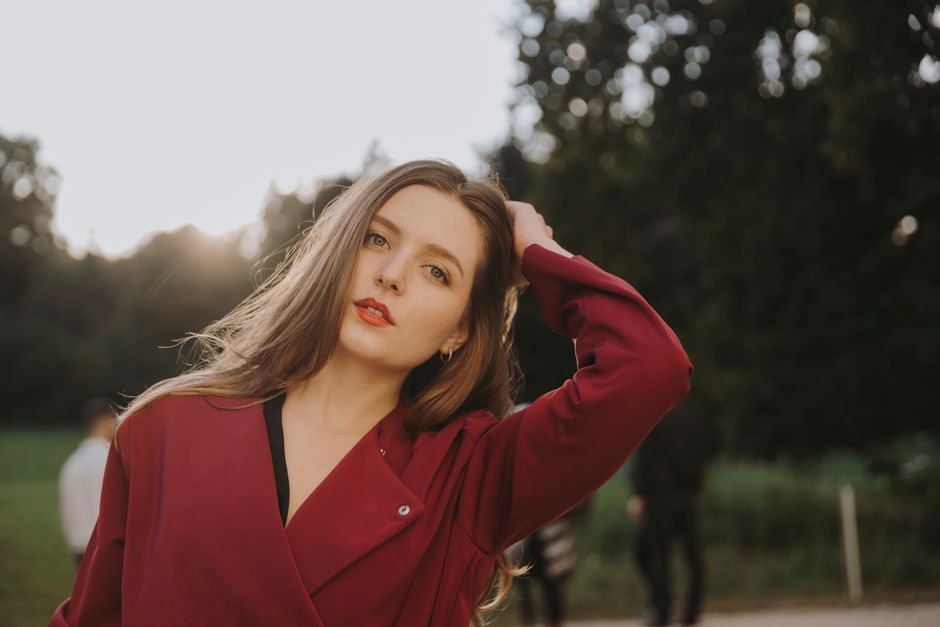
Why does my warm makeup turn orange?
Usually, the shade is too yellow or too saturated for the skin, or the bronzer is placed too low. Move bronzer higher on the face and switch from orange-brown to neutral tan, rosewood, or muted bronze. A warm look does not require visible orange pigment.
Should I buy a full autumn palette?
No, not for this look. A large palette often contains several shades that are close enough to create muddiness but different enough to tempt you into using all of them. Three useful colors are enough: a light beige or cream, a medium warm brown, and one accent such as bronze, berry, or copper.
Skip a palette if you rarely wear eyeshadow, if most of the shades are glittery, or if you already own a neutral brown that blends well. Buy a palette only when it fills a real gap, such as a muted rose-brown range that you will use across eyes, cheeks, and lips.
When should I avoid warm autumn makeup?
Avoid a strong warm look when your skin is irritated, peeling, or unusually dry. Red and orange pigments can make visible redness stand out, while powder can settle into flakes. Use a sheer neutral base, a balm texture, and one soft brown feature until the skin settles.
Also avoid copying a shade from a photo taken under orange indoor lighting. That light can make every product look softer and warmer than it appears outdoors. Check the face near a window before leaving the house, especially if your lip or blush is the focal point.
The reader asking how to wear cozy autumn makeup without looking heavy does not need a ten-step routine or a drawer full of new products. Start with light coverage, choose a softened warm shade, and give the strongest color one clear home. That is how the finished face feels autumnal, comfortable, and still like you.