Did you know that the average human foot contains 250,000 sweat glands, capable of producing up to half a pint of sweat per day? This often-overlooked fact makes your choice of ankle socks far more critical than you might imagine. Beyond just covering your feet, the right ankle socks play a significant role in managing moisture, preventing blisters, and providing essential support. Choosing wisely isn’t just about aesthetics; it’s about investing in your daily comfort and long-term foot health.
The Unexpected Impact of Sock Choice on Daily Performance
Many people view socks as a minor accessory, grabbing the cheapest multi-pack without a second thought. This oversight can lead to a cascade of problems, impacting everything from your walking gait to your overall energy levels. Improper socks contribute to foot fatigue, odor, and even structural issues over time. Your feet are your foundation; supporting them correctly starts with what you put on them first.
Think about a typical day: standing, walking, perhaps a workout. Each step generates friction and pressure. A well-designed ankle sock acts as a crucial buffer, distributing pressure evenly and wicking away moisture. Without this, sweat accumulates, softening the skin and increasing friction, making your feet vulnerable to rubbing and irritation. This isn’t just discomfort; it’s a direct impediment to your ability to perform at your best, on a long hike or simply running errands. Brands like Darn Tough and Smartwool have built their reputations on understanding these demands, focusing on precise engineering rather than just basic foot coverings.
Understanding Foot Sweat and Its Consequences
Excessive moisture is the arch-nemesis of comfortable feet. When sweat isn’t effectively managed, it creates a damp, warm environment inside your shoes – an ideal breeding ground for bacteria and fungi. This leads to unpleasant odors, athlete’s foot, and maceration (skin softening) which vastly increases the likelihood of blisters. A sock’s primary job, beyond cushioning, is to move moisture away from your skin. Materials like merino wool and specific synthetic blends excel at this, pulling sweat to the outer layer of the sock where it can evaporate. Cotton, on the other hand, absorbs moisture and holds it against your skin, making it a poor choice for any activity that causes sweating.
The Hidden Cost of Poor Arch Support
Ankle socks often get overlooked for arch support, with people assuming it’s solely a shoe’s job. However, many quality ankle socks incorporate targeted compression zones around the arch. This feature provides a gentle lift and support, helping to maintain the natural alignment of your foot. For individuals with fallen arches or those prone to plantar fasciitis, this subtle support can make a huge difference in reducing strain and discomfort throughout the day. It helps mitigate pronation (the inward rolling of the foot) and supination (the outward rolling), ensuring your foot strikes the ground more efficiently. Over time, consistent support can prevent chronic pain and structural issues that might otherwise develop from inadequate foundational support.
Navigating Material Choices for Optimal Ankle Sock Performance

The fabric your ankle socks are made from dictates their performance more than any other factor. Each material offers a unique set of properties that make it suitable or unsuitable for specific conditions and activities. Understanding these differences is key to making an informed decision that truly meets your needs.
| Material Type | Key Characteristics | Best Use Case | Considerations |
|---|---|---|---|
| Merino Wool | Excellent moisture-wicking, temperature regulating (warm in cold, cool in warm), naturally odor-resistant, soft. | Hiking, casual wear, all-season comfort, sensitive skin. | Higher price point, can be less durable than synthetics if not blended. |
| Synthetic Blends (Nylon, Polyester, Spandex) | Superior durability, fast-drying, excellent moisture-wicking, good elasticity. | Running, high-intensity workouts, wet conditions. | Can feel less natural, some blends may retain odor over time. |
| Cotton | Soft, breathable when dry, inexpensive. | Light casual wear in dry environments, minimal activity. | Poor moisture-wicking, slow-drying, prone to holding odor, causes blisters when wet. |
| Bamboo Viscose | Very soft, breathable, good moisture-wicking, naturally antimicrobial. | Casual wear, sensitive skin, eco-conscious choice. | Can be less durable than synthetics, may pill. |
Key Considerations for Specific Activities
Your activity level should heavily influence your material choice. For instance, a runner needs socks that prioritize moisture-wicking and blister prevention above all else. Brands like Balega and Feetures specialize in performance running socks, often using advanced synthetic blends with targeted cushioning. For everyday wear or light activities, merino wool offers unparalleled comfort and odor resistance, making it ideal for extended use without washing. If you’re simply lounging at home, a comfortable cotton blend might suffice, but for anything more active, it’s a definite pass. Always match the sock material to the intensity and duration of the activity to prevent discomfort and protect your feet.
The Critical Elements of Ankle Sock Construction
Beyond the material, how an ankle sock is put together matters significantly. Details like seam placement, cuff design, and targeted compression zones are not random; they are engineered to provide specific benefits. Ignoring these construction details means missing out on crucial comfort and performance enhancements.
Here are the key construction elements to evaluate:
- Seamless Toe: This is non-negotiable for comfort. A traditional seam across the toe can rub and cause significant irritation, especially during extended activity. Socks with a “seamless” or hand-linked toe eliminate this pressure point entirely, preventing blisters and discomfort. Always prioritize this feature.
- Arch Compression: Many performance ankle socks incorporate a band of elasticized material around the arch. This provides gentle support, helps reduce foot fatigue, and keeps the sock securely in place, preventing slipping and bunching inside your shoe.
- Targeted Cushioning: Strategic padding in high-impact areas like the heel and ball of the foot absorbs shock and provides comfort. The amount and placement vary depending on the sock’s intended use (e.g., running socks might have more cushioning than casual socks).
- Y-Heel Stitch: This specialized stitching creates a deeper heel pocket, ensuring the sock cups the heel properly and prevents it from sliding down into your shoe. It’s a small detail that makes a big difference in fit.
- Ventilation Zones: Mesh panels or thinner knit sections often appear on the top of the foot or arch. These zones enhance breathability, allowing heat and moisture to escape, which keeps your feet cooler and drier.
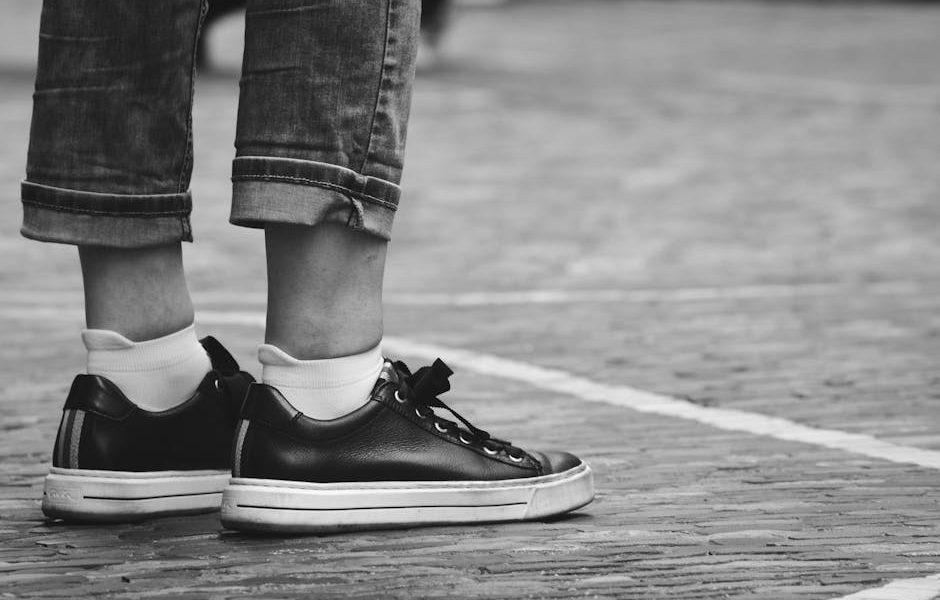
- Cuff Design and Height: Ankle socks come in various cuff heights: no-show (completely hidden), ultra-low tab (just peeks out), and quarter (covers the ankle bone). The cuff should be snug enough to stay up without being overly tight, preventing slippage without constricting circulation. Look for cuffs that are reinforced but flexible.
Prioritizing Seamless Toes
The toe seam is a notorious source of irritation in poorly constructed socks. A thick, bulky seam can rub against your toes with every step, inevitably leading to hot spots and blisters. High-quality ankle socks employ a flat, hand-linked seam or a true seamless construction that feels virtually undetectable. When you put a sock on, you shouldn’t feel the seam at all. This might seem like a minor detail, but for activities requiring prolonged movement, a seamless toe can be the difference between a comfortable experience and painful blisters. Brands like Bombas and Thorlo are renowned for their attention to such details, ensuring a smooth, irritation-free fit.
The Science Behind Targeted Cushioning
Not all cushioning is created equal, and more isn’t always better. Targeted cushioning involves strategically placing denser knit areas in specific zones of the sock where impact and pressure are highest. This typically includes the heel, the ball of the foot, and sometimes the Achilles tendon area. The goal is to absorb shock and reduce fatigue without adding unnecessary bulk or heat. For example, a running sock will have different cushioning patterns than a casual sock. The right amount of cushioning in the right places protects your joints, improves comfort over long periods, and can even enhance the longevity of both your socks and your shoes by distributing wear evenly. Evaluate your primary activity and choose socks with cushioning designed for those specific demands.
Avoiding Common Ankle Sock Pitfalls: A Quick Verdict
The single most critical mistake people make with ankle socks is prioritizing appearance or low cost over function. Avoid 100% cotton socks for anything more strenuous than sitting on the couch. They will trap moisture, guarantee blisters, and lead to odor. Also, cheap elastic cuffs will stretch out quickly, causing your socks to slip down constantly.
Extending the Life of Your Ankle Socks: Care and Maintenance
Investing in quality ankle socks means they are built to last, but even the most durable materials require proper care to maintain their performance and extend their lifespan. Neglecting simple washing and drying guidelines can quickly degrade fabrics, reduce elasticity, and compromise their moisture-wicking properties. Think of sock care as a vital part of your foot health routine; it protects your investment and ensures your socks perform optimally every time you wear them.
Proper sock care isn’t just about cleanliness; it’s about preserving the integrity of the specialized fibers and construction. For instance, high heat can break down the elastic components (like Spandex) that give socks their stretch and shape retention, leading to a baggy, ill-fitting product. Harsh detergents can strip merino wool of its natural lanolin, reducing its softness and odor-resistant properties. By following a few straightforward steps, you can significantly prolong the life and effectiveness of your favorite ankle socks, ensuring they continue to provide the comfort and support you rely on.
Optimal Washing Techniques
The way you wash your socks directly impacts their longevity. Always turn your socks inside out before washing. This helps protect the outer surface from abrasion and allows the detergent to better reach the areas that accumulate the most sweat and dead skin. Use cold water to prevent shrinking and to preserve the elastic fibers. A gentle cycle is always preferable, especially for merino wool or delicate synthetic blends. Opt for a mild detergent; avoid harsh chemicals, bleach, or fabric softeners. Fabric softeners, in particular, can clog the pores of moisture-wicking fabrics, diminishing their ability to pull sweat away from your feet. For very soiled socks, a pre-soak in cold water with a little detergent can be beneficial. Wash dark colors separately to prevent dye transfer onto lighter socks.
Drying Without Damage
How you dry your ankle socks is just as important as how you wash them. The enemy here is excessive heat. High heat from a tumble dryer can cause significant damage to the elastic components and synthetic fibers, leading to premature wear, loss of shape, and reduced performance. The best method for drying most quality ankle socks is air drying. Lay them flat on a clean surface or hang them on a drying rack. If you must use a dryer, select the lowest heat setting or an air-fluff cycle. Remove socks promptly once they are dry to avoid over-drying and potential damage. Never iron your socks, as the direct heat will almost certainly melt or degrade the elastic and synthetic components, destroying their crucial stretch and fit.
Ankle Sock Fit: Answering Your Top Questions
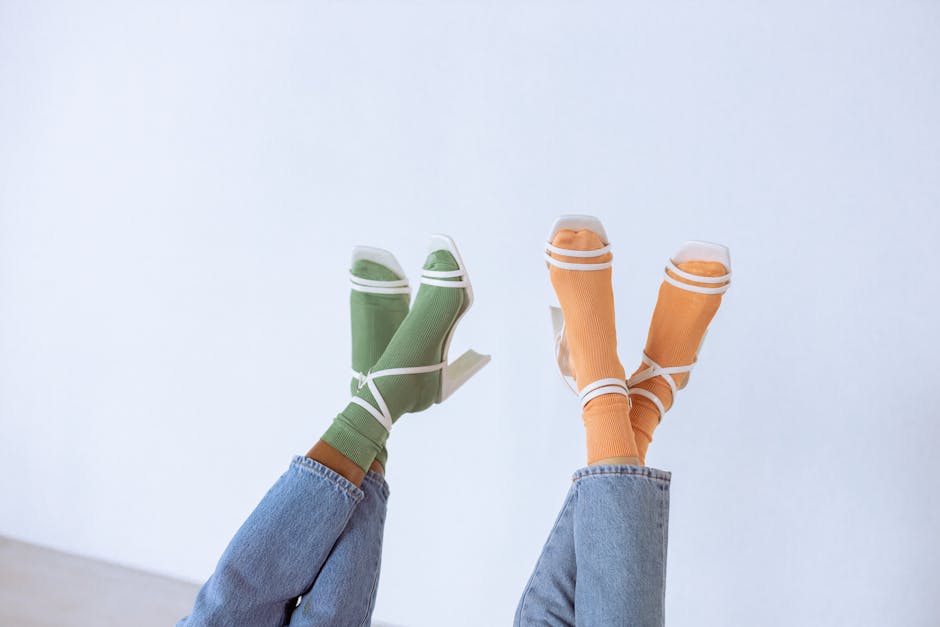
Getting the fit right for ankle socks is more nuanced than it seems. An ill-fitting sock can slip, bunch, or cause pressure points, negating all the benefits of good materials and construction. Here, we tackle common questions about achieving the perfect fit.
What is the ideal ankle sock height?
The ideal ankle sock height depends entirely on your preference and the shoes you are wearing. For a truly invisible look, choose a no-show sock that sits below the ankle bone and is designed with a heel tab or silicone grip to prevent slipping. These are best for loafers, boat shoes, or low-cut sneakers. An ultra-low tab sock just barely peeks out above the shoe line, offering a bit more coverage and often a more secure fit without being too visible. Quarter-height socks cover the ankle bone and are excellent for athletic shoes, providing protection against shoe collar rub and often featuring integrated arch support and cushioning. They also tend to stay up very reliably. Your choice should balance aesthetic preference with functional needs, ensuring the sock doesn’t disappear into your shoe or chafe against your skin.
How do I stop my socks from slipping down?
Socks slipping down, often called “sock creep,” is incredibly frustrating. The primary culprits are usually poor fit, stretched-out elastic, or the wrong material. To prevent this, first ensure you’re wearing the correct size; socks that are too large will bunch and slide. Second, choose socks with a robust, well-constructed cuff and a Y-heel stitch. Brands like Nike and Adidas offer athletic ankle socks specifically engineered to stay in place during dynamic activities. Look for features like silicone grippers on the heel (common in no-show styles) or targeted arch compression that helps anchor the sock to your foot. Lastly, avoid cotton for active wear, as it tends to lose its shape and grip when moist. Opt for synthetic blends or merino wool, which retain their elasticity and structure better.
Is there a difference in fit for men’s versus women’s ankle socks?
While many ankle socks are marketed as unisex, there can be subtle but important differences in fit between men’s and women’s specific designs. Women’s feet are typically narrower in the heel and have a lower instep compared to men’s feet of the same length. Women’s socks might therefore feature a narrower heel cup, a slightly shorter foot length for a given shoe size, or different compression zone placements to better accommodate these anatomical differences. Some brands, like Feetures, offer distinct men’s and women’s sizing to optimize the fit and performance. While a men’s sock might technically fit a woman, or vice versa, choosing gender-specific sizing when available can often lead to a more precise, comfortable, and performance-enhancing fit, reducing the chances of slipping, bunching, or pressure points.
As sock technology continues to advance, we can anticipate even more specialized blends and ergonomic designs, making foot comfort a truly personalized science. Investing in the right ankle socks isn’t just about today’s comfort; it’s a step towards healthier, happier feet for years to come.