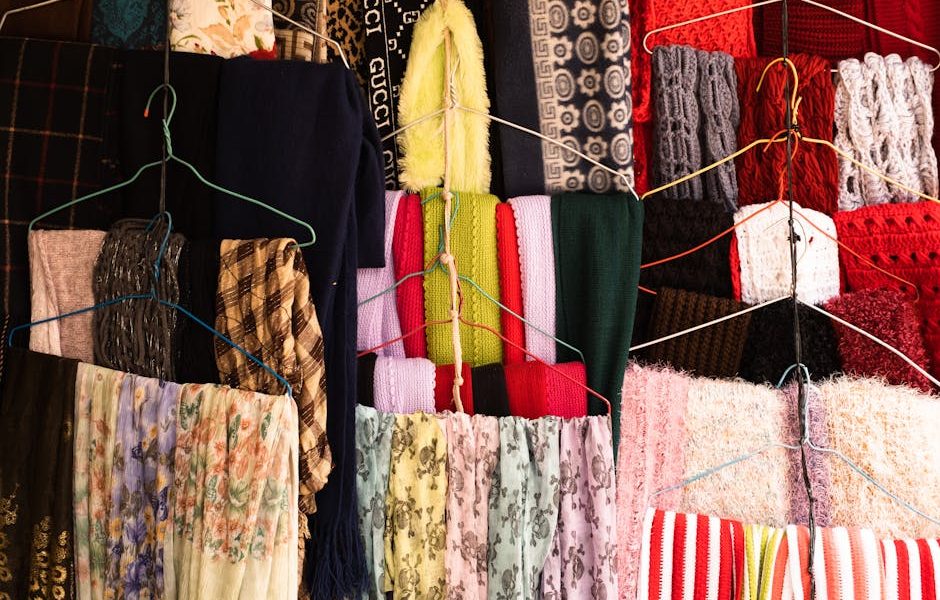
Many men fall into the trap of thinking a designer scarf is nothing more than a status symbol, an expensive piece of fabric emblazoned with a logo. They believe it’s either an unnecessary extravagance or solely a women’s accessory. This isn’t just a misconception; it overlooks the significant role a well-chosen scarf plays in both style and function.
A designer scarf, when selected with care, is an investment in craftsmanship, material quality, and personal expression. It can elevate an outfit, provide genuine comfort, and offer a distinct touch of sophistication. It’s less about the brand name and more about understanding what makes a scarf truly exceptional and how it integrates into your wardrobe. This guide aims to clear up the confusion and help you navigate the world of premium men’s scarves.
Why Most Men Overlook the Right Scarf Materials
The core of any great designer scarf lies in its material. Ignoring this fundamental aspect means you’re likely overpaying for a label, not for genuine quality or performance. Different fibers offer distinct advantages in terms of warmth, drape, texture, and how they interact with your skin and outfit. Understanding these differences is crucial for making an informed choice that goes beyond mere aesthetics.
When you’re shelling out hundreds or even thousands of dollars, knowing what you’re buying is . Many mass-produced scarves, even those with designer tags, might use lower-grade materials or blends that don’t offer the same longevity or feel. The touch, the fall, the way it keeps you warm—these are all dictated by the fibers. Pay attention here; it’s where true value lies.
Cashmere: The Gold Standard for Warmth and Softness
Cashmere is often heralded as the ultimate luxury fiber, and for good reason. It comes from the soft undercoat of cashmere goats, known for its incredible fineness and insulating properties. A pure cashmere scarf is exceptionally soft against the skin, surprisingly lightweight, yet remarkably warm. It breathes well, preventing overheating, and has a natural drape that looks effortlessly elegant. However, its delicate nature requires careful handling and dry cleaning to maintain its integrity. Expect to pay a premium for high-quality cashmere; a scarf from a brand like Brunello Cucinelli or Loro Piana can easily range from $900 to $1,800, depending on its size and weave. This isn’t just a cost; it’s a testament to the labor-intensive harvesting and processing required to produce such a luxurious fiber.
Silk and Silk Blends: For Elegance and Drape
Silk scarves offer a completely different aesthetic and feel. Known for its lustrous sheen and smooth texture, silk is an excellent choice for adding a touch of sophistication to formal or business attire. It’s less about warmth and more about decorative appeal and a cool, breathable sensation. Silk scarves drape beautifully, making them ideal for elaborate knots or simply worn draped over a suit. Brands like Hermes are renowned for their intricate silk designs, often featuring hand-rolled edges, with scarves typically priced between $500 and $900. Sometimes, silk is blended with cashmere (a cashmere-silk blend) to combine the best of both worlds: the warmth and softness of cashmere with the subtle sheen and enhanced drape of silk. These blends are incredibly versatile, suitable for multiple seasons and a wider range of occasions.
Fine Wool (Merino, Lambswool): Durable Everyday Luxury
While cashmere is king, fine wools like Merino and lambswool offer an excellent balance of warmth, durability, and value. Merino wool, specifically, is much finer than traditional wool, making it softer, less itchy, and more comfortable directly against the skin. Lambswool, taken from a lamb’s first shearing, is also very soft and offers good insulation. These wools are robust enough for daily wear, resistant to pilling, and maintain their shape well. They are ideal for cooler weather, providing substantial warmth without excessive bulk. A well-crafted wool scarf from a brand like Burberry, known for its iconic check patterns, can cost between $400 and $600. These are often the workhorse of a winter wardrobe, combining practicality with understated luxury, and requiring less delicate care than pure cashmere.
Comparing Top Designer Scarf Brands and Their Signature Styles
Navigating the landscape of designer scarves means understanding that each brand brings its own heritage, aesthetic, and material focus. It’s not just about the name, but what that name represents in terms of design philosophy and typical craftsmanship. The table below outlines some prominent brands, highlighting their primary materials, signature aesthetics, and general price points, along with their key trade-offs. This helps in identifying which brand aligns best with your personal style and priorities, whether you seek bold branding or discreet luxury.
| Brand | Primary Materials | Signature Aesthetic | Typical Scarf Price Range | Key Trade-offs |
|---|---|---|---|---|
| Hermes | Silk, Cashmere/Silk | Equestrian motifs, vibrant patterns, artful designs | $500 – $1,500+ | High cost, patterns can be very bold, delicate care for silk |
| Louis Vuitton | Wool/Silk, Cashmere | Monogram (LV logo), graphic patterns, classic luxury | $700 – $900 | Strong branding may not suit all, higher price for blend |
| Gucci | Wool, Silk, Cashmere | GG logo, animal motifs, contemporary-classic blend | $500 – $1,200 | Can be overtly branded, designs might be trend-driven |
| Burberry | Cashmere, Wool | Classic check patterns, timeless British heritage | $400 – $800 | Iconic pattern can be common, less variety in pattern style |
| Loewe | Mohair/Wool, Cashmere | Artisanal, textural, minimalist, often with fringed ends | $300 – $700 | Less formal options, specific texture might not be for everyone |
| Brunello Cucinelli | Cashmere, Cashmere Blends | Understated luxury, impeccable quality, muted tones | $900 – $1,800+ | Very high price point, extremely subtle branding |
Deciphering Brand Aesthetics and Material Focus
As the table illustrates, each brand has a distinct personality. Hermes and Gucci often lean into bolder patterns and distinct branding, appealing to those who want their accessories to be a statement. Louis Vuitton’s offerings frequently feature their iconic monogram, blending recognizable luxury with versatile materials. On the other hand, brands like Brunello Cucinelli champion a philosophy of discreet luxury, focusing almost entirely on the unparalleled quality of their cashmere and the understated elegance of their designs. Loewe offers a more modern, textural approach, often with unique material compositions like mohair blends, perfect for adding an artistic touch to a casual ensemble. Your choice should reflect whether you prefer a bold signature piece or a subtle, high-quality accessory that speaks volumes through its texture and drape rather than its logo.
Price Versus Value: Where Your Money Goes
The price tags on designer scarves aren’t just for the brand name alone. A significant portion of the cost goes into the sourcing of rare, high-quality raw materials, such as ultrafine cashmere or mulberry silk. It also reflects the meticulous craftsmanship, which can include hand-rolled edges, intricate weaving patterns, and specialized dyeing processes. Limited production runs and ethical manufacturing practices can also contribute to the higher cost, ensuring quality control and fair labor. While some brands undeniably have a higher markup for their prestige, understanding the underlying value of materials and construction helps you decide if a particular scarf’s price is justified for your needs.
Five Practical Ways to Wear a Designer Scarf
A designer scarf isn’t just for looking good; it’s a versatile tool that can adapt to different weather conditions, outfits, and social settings. Learning a few basic knots and drapes dramatically expands its utility beyond simply wrapping it around your neck. This section offers practical, zero-product advice on how to incorporate a scarf effectively into your wardrobe, transforming it from a mere accessory into a functional and stylish element.
- The Parisian Knot: This classic knot is effortlessly chic and suitable for almost any scarf length, though it shines with medium-length pieces (around 160-180cm). Fold your scarf in half lengthwise, drape it around your neck, and then pull the loose ends through the loop created by the fold. It’s neat, provides good warmth, and works well with both casual jackets and more formal coats.
- The Reverse Drape: Ideal for longer, bulkier scarves (180-200cm+), this method offers substantial warmth and a relaxed, yet polished look. Drape the scarf around your neck with one end significantly longer than the other. Take the longer end and wrap it once around your neck, allowing both ends to hang freely in front. It’s perfect for chilly days and adds volume without being overly formal.
- The Ascot Knot: For a more refined, almost tie-like appearance, especially with silk or thinner wool scarves. Drape the scarf around your neck, bringing both ends to the front. Cross one end over the other, then bring the top end up through the neck loop from underneath, and finally down over the other side. Adjust to lie flat against your chest. This knot is excellent for adding a touch of elegance under an open-collared shirt or a blazer.
- The Once-Around: This is perhaps the simplest and most casual way to wear a scarf, best suited for medium to long lengths and any material. Drape the scarf around your neck, with one end slightly longer. Wrap the longer end once around your neck, letting both ends hang loosely in front. It provides a comfortable amount of warmth and an unfussy, dynamic look.
- The Drape: Sometimes, the simplest approach is the most impactful. For purely decorative purposes, or when you just need a light layer, simply drape the scarf over your shoulders, letting both ends fall evenly in front. This works particularly well with silk or cashmere-silk blends, allowing the material and pattern to speak for themselves over a simple sweater or suit.
Matching Knot to Occasion and Scarf Length
The knot you choose should align with the situation and your scarf’s dimensions. A Parisian knot is a go-to for daily wear or business casual, adaptable to many lengths. For very long scarves and cold weather, the Reverse Drape or Once-Around offer maximum warmth and an informal vibe. The Ascot Knot is best reserved for dressier events or when you want a more styled, compact look. Remember, shorter scarves (under 160cm) limit knotting options but can still be effectively draped or tied simply, while longer scarves offer the most versatility.
Color and Pattern: Subtle Accents vs. Statement Pieces
A scarf is a prime opportunity to introduce color or pattern to an otherwise subdued outfit. For a subtle accent, choose solid colors or muted patterns that complement your existing wardrobe palette. Navy, charcoal, or olive scarves are always safe bets. If you want a statement piece, opt for a vibrant pattern or a bold contrasting color. A patterned silk scarf can become the focal point of a plain suit, while a strong-colored cashmere scarf can add a pop to a neutral winter coat. The key is balance: if your outfit is complex, simplify the scarf. If your outfit is simple, the scarf can be your creative outlet.
The Unspoken Rule of Scarf Size: Why It Matters Most
Forget the brand for a moment. The single most overlooked factor in choosing a men’s designer scarf is its dimensions. A scarf that is too short feels restrictive and looks awkward, while one that’s too wide can overwhelm your frame. Aim for a length between 160-200cm and a width of 30-45cm for optimal versatility and drape, ensuring it can be tied comfortably without excess bulk.
Investing in Quality Over Quantity: My Top Picks for Longevity
If you want a designer scarf that transcends trends and truly lasts, prioritize exceptional material and understated design over obvious branding. My top three recommendations focus on timelessness, versatility, and enduring quality, ensuring your investment pays dividends in style and comfort for years to come.
The All-Purpose Cashmere Silk Blend: Hermes "Cachemire et Soie" Shawl
For ultimate versatility and luxurious feel, the Hermes "Cachemire et Soie" (cashmere and silk) shawl stands out. While often marketed more broadly, the larger dimensions (typically around 140x140cm or 70x200cm for rectangular versions) and exquisite blend of 70% cashmere and 30% silk make it ideal for men. The cashmere provides sumptuous warmth and softness, while the silk adds a beautiful sheen, enhanced drape, and reduces pilling. This combination means it’s suitable for multiple seasons—warm enough for winter, yet light and breathable for cooler spring or autumn days. The patterns are often intricate and artistic, but many come in sophisticated, muted tones or classic solids that integrate seamlessly into a man’s wardrobe. Expect to invest around $1,200-$1,500 for one of these, but the craftsmanship and material quality are second to none, making it a true heirloom piece.
For Everyday Elegance: Brunello Cucinelli Ribbed Cashmere Scarf
If your preference leans towards discreet luxury and unparalleled material quality, a ribbed cashmere scarf from Brunello Cucinelli is an exceptional choice. Cucinelli is renowned for its commitment to the finest cashmere, ethical production, and timeless designs. Their men’s scarves are often simple, solid-colored, and feature a subtle ribbed texture that adds visual interest without any overt branding. The cashmere is incredibly soft, lightweight, and provides superior warmth. A typical Cucinelli cashmere scarf, around 35x180cm, costs between $900 and $1,800. This is an investment in pure, unadulterated quality that will last decades if properly cared for. It pairs perfectly with both smart casual and formal attire, providing a touch of refined elegance that speaks volumes without a single logo.
The Iconic Statement Piece with Substance: Burberry Giant Check Cashmere Scarf
While Burberry’s iconic Giant Check pattern is instantly recognizable, it’s not just about the branding; it’s also about a high-quality product. The classic check scarf is crafted from 100% cashmere, woven in Scotland, offering excellent warmth and a soft, luxurious feel. Available in various colorways, the traditional camel and black check remains a timeless choice that adds a touch of classic British style. Measuring typically 36x180cm, it’s a versatile length for various knots. Despite its strong visual identity, the quality of the cashmere ensures it’s a functional and comfortable accessory, not just a fashion statement. Priced around $400-$600, it offers a blend of iconic design and genuine material quality, making it a solid choice for those who appreciate both brand heritage and tangible luxury.
Ultimately, a truly great designer scarf is less about the logo and more about how its quality, material, and dimensions seamlessly integrate into your personal style.