Apple season baking works best when the recipe accounts for water, acidity, and texture rather than treating every apple as interchangeable. The guidance below covers simple cakes, crisp toppings, common failures, and practical choices for a 2026 home-baking schedule. This is not legal advice — consult a licensed attorney.
Which apples work best for cake versus crisp?
The clearest verdict is simple: choose firm tart apples for a defined cake crumb, and use a mixed batch for a softer apple crisp with layered flavor. The table gives practical starting points rather than rigid rules, because harvest conditions and oven behavior vary.
| Apple style | Best use | Expected result | Adjustment |
|---|---|---|---|
| Firm and tart | Apple cake | Pieces hold their shape and balance sweet batter | Cut thinly and add 1 to 2 tablespoons of sugar if very sharp |
| Sweet and aromatic | Apple crisp | Soft filling with a round, mellow flavor | Reduce filling sugar by 1 to 2 tablespoons |
| Firm plus soft mix | Deep crisp | Some pieces stay intact while others form sauce | Cut firm apples smaller than soft apples |
| Very soft or bruised | Compote-style filling | Fast-cooking, loose fruit layer | Use less added liquid and a little extra flour |
The best cake choice
For a simple apple cake, the winner is a firm, mildly tart apple sliced into thin wedges. It gives the batter structure and prevents the top from turning wet. If the fruit is intensely tart, add a small amount of sugar to the apple slices rather than increasing sugar throughout the batter. That keeps the crumb balanced.
The best crisp choice
For apple crisp, a two-apple combination is stronger than a single variety. Use about two-thirds firm fruit and one-third softer fruit. The firm pieces provide texture, while the softer pieces create the thick juices that hold the topping together. Avoid adding water unless the recipe specifically requires it; apples already supply enough moisture in most cases.
How to make a simple apple cake that stays tender
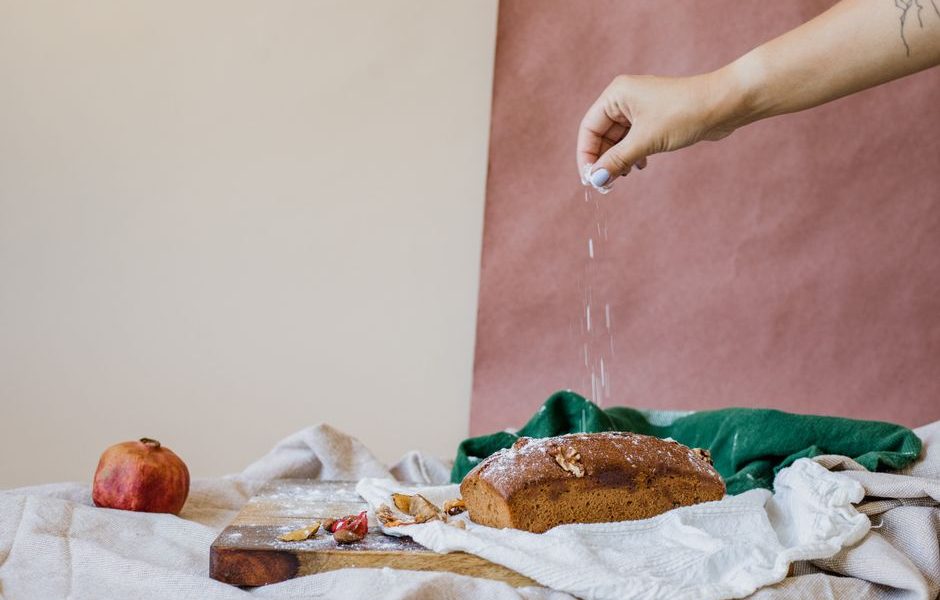
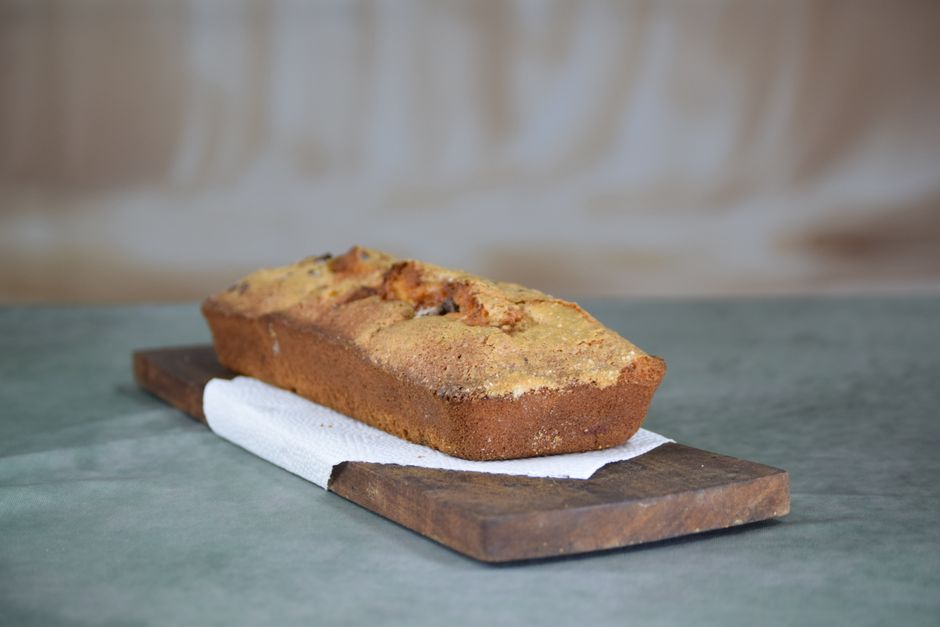
The most reliable apple cake is a one-bowl cake with yogurt or another thick cultured ingredient, a moderate amount of oil, and fruit folded into the batter instead of buried in one heavy layer. That structure gives a tender crumb without requiring specialist equipment.
Use this measured formula
- Heat the oven to 180°C and line the base of a 22-centimeter round pan.
- Whisk two eggs with 100 grams of brown sugar for about 60 seconds, until the mixture looks smooth.
- Whisk in 100 grams of plain yogurt and 80 milliliters of neutral oil.
- Stir in 150 grams of all-purpose flour, 1.5 teaspoons of baking powder, 1 teaspoon of cinnamon, and one-quarter teaspoon of salt.
- Fold in 400 to 450 grams of peeled or unpeeled apple pieces, keeping them evenly spread through the batter.
- Scrape the mixture into the pan and arrange a few thin slices on top, but do not cover the entire surface.
- Bake for 38 to 45 minutes, then test the center with a skewer.
How to judge doneness
A skewer should come out with a few moist crumbs but no wet batter. The top should spring back when pressed gently near the center. Let the cake cool for at least 20 minutes before slicing. Cutting sooner can make a properly baked cake seem underdone because steam has not finished moving through the crumb.
Two small choices make a large difference: weigh the flour instead of packing it into a cup, and keep the apple pieces similar in size. Too much flour creates a dry cake, while uneven pieces produce pockets of wet fruit. The verdict is firm: this cake is the best choice when you want a sliceable dessert that can be baked, cooled, and served the same afternoon.
Apple crisp is the fastest reliable dessert
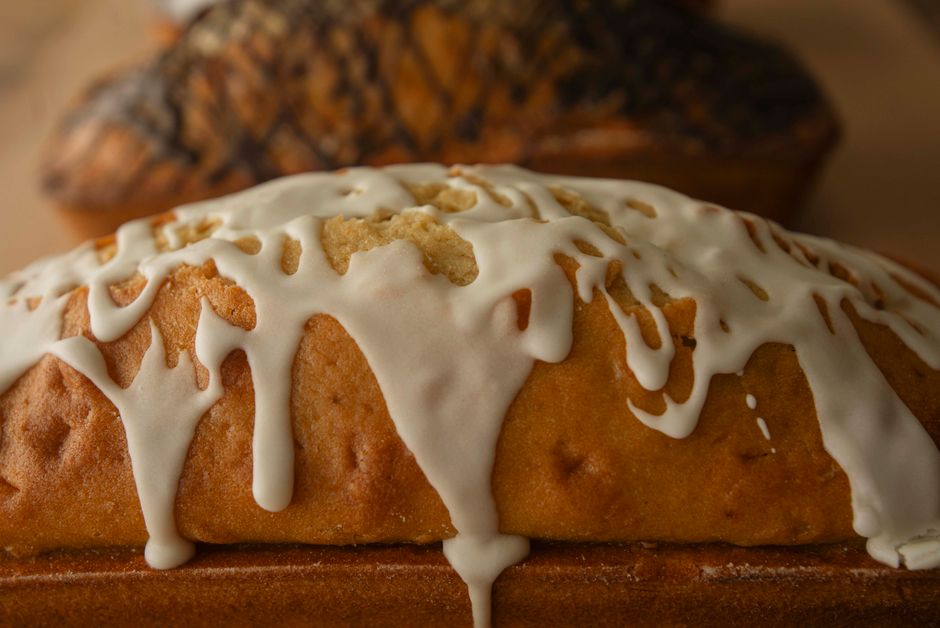
Apple crisp is the best choice for a low-risk apple dessert because the topping can absorb extra fruit juice, the fruit does not need perfect slicing, and the finished dish improves after a short rest. For a 22-centimeter baking dish, combine about 700 grams of sliced apples with 1 tablespoon of flour, 1 teaspoon of cinnamon, and 1 to 2 tablespoons of sugar, then cover them with a mixture of 90 grams of rolled oats, 80 grams of flour, 90 grams of brown sugar, 85 grams of cold butter, and a pinch of salt; bake at 190°C for 35 to 40 minutes until the edges bubble and the center topping looks dry, but do not add extra water just because the fruit layer appears dry at the start, since the apples release juice as they heat. Let the crisp stand for at least 15 minutes before serving, because that pause lets the juices thicken and gives the topping time to firm, and if the top browns before the apples soften, cover the dish loosely with foil and continue baking rather than lowering the temperature so far that the fruit steams without developing flavor.
Five apple-baking mistakes that cause weak results
The most common failures are predictable, which means they are preventable. The issue is rarely the recipe title; it is usually a mismatch between fruit, pan, heat, and timing.
- Using oversized apple chunks: Large pieces stay firm in the center while the outside becomes soft. Keep cake pieces near 1.5 centimeters and crisp slices near 3 to 5 millimeters.
- Adding water to the crisp: Apples release their own juices. Extra water often creates a thin filling and a soggy base.
- Overloading a small pan: A deep fruit layer takes longer to cook and can leave the topping dark before the apples soften. Use a wider dish or reduce the quantity.
- Opening the oven too early: Cake structure is fragile during the first 25 minutes. Repeated checks let heat escape and can leave the center sunken.
- Trusting color alone: A golden top does not prove that the middle is ready. Check springiness for cake and bubbling fruit for crisp.
When to stop adjusting the recipe
Do not keep adding flour to a wet cake batter once the apples are folded in. Fruit always contributes some liquid, and excessive flour makes the crumb tight. Bake the cake in a correctly sized pan and allow it to cool before judging the texture. For crisp, do not add more oats halfway through baking; the new oats will remain pale and may taste raw.
How to rescue a problem batch
If a cake is browned but wet in the center, cover the top loosely with foil and bake at 165°C in 8-minute intervals. If a crisp has soft topping, return it to the oven uncovered for 8 to 12 minutes. If the fruit is tart after baking, add a spoonful of sweetened yogurt or cream at serving rather than changing the entire recipe next time.
Apple baking questions answered before you start
Should apples be peeled for cake?
Peeling is optional. Thin-skinned apples can go in unpeeled and add color and a little texture. Thick or tough skins are better removed, especially when the cake will be served to children or sliced into neat portions. The practical choice is to peel fruit with a chewy skin and leave delicate skin in place.
Can frozen apples replace fresh apples?
Frozen apples can work in a crisp, but they are less reliable in a cake because thawing releases extra liquid. Thaw them fully, drain them, and pat them dry before use. For cake, fresh apples are the clear winner when available.
Why is the crisp topping soft the next day?
The topping absorbs moisture from the fruit as it sits. Reheat the crisp uncovered at 180°C for 10 to 15 minutes to restore some crunch. A microwave warms the dessert quickly but usually leaves the topping soft.
Can I reduce the sugar?
Yes, but make a measured reduction. Removing 20 to 25 percent of the sugar usually preserves texture in a cake and keeps a crisp pleasant when the apples are naturally sweet. Larger cuts can make cake less tender and may leave the fruit tasting sharp.
Which apple dessert fits your schedule?
The best dessert depends less on ambition than on when the food must be ready. A cake needs cooling time before clean slices, while a crisp can move from oven to table with a shorter wait.
| Available time | Best bake | Why it wins |
|---|---|---|
| Under 60 minutes | Apple crisp | Fast mixing, shallow baking dish, short resting period |
| About 90 minutes | Simple apple cake | Baking and cooling fit comfortably into one afternoon |
| Need leftovers | Apple cake | Slices hold their shape and travel more neatly |
| Fruit is very soft | Apple crisp | The topping works with a looser filling |
Choose cake for neat serving
Apple cake is the stronger option for lunch boxes, a family gathering, or any table where individual slices matter. Cool it fully, then wrap it once the surface is no longer warm. The cake typically keeps its best texture for two days at room temperature in a covered container.
Choose crisp for warm comfort
Apple crisp wins when the goal is a warm dessert with flexible presentation. It can use mixed apple sizes, tolerate a softer fruit texture, and pair with yogurt or cream. The tradeoff is storage: the topping loses crispness faster than cake, so reheating is part of the plan.
The single most important rule is to match the apple’s firmness and water content to the dessert before changing the sugar or baking time.