You get home hungry, open the refrigerator, and find one zucchini, half an onion, a handful of greens, and no clear dinner plan. Pasta seems like the answer, but vegetable pasta can turn watery, bland, or oddly crunchy if the ingredients hit the pan in the wrong order. The fix is not a longer recipe. It is a better sequence: build flavor first, cook vegetables by texture, and use pasta water to bind everything into a sauce.
Why Seasonal Vegetables Make Pasta More Comforting
Seasonal vegetables work best in pasta when they add a clear contrast: sweetness against salt, creaminess against bite, or freshness against a rich sauce. The goal is not to fill a bowl with every vegetable available. The goal is to make one or two vegetables taste more complete than they would on their own.
Start with the vegetable’s water content
High-water vegetables such as zucchini, tomatoes, spinach, and mushrooms can dilute a sauce. Cook them over medium-high heat before adding liquid so their moisture evaporates and their edges brown. Dense vegetables such as butternut squash, carrots, broccoli stems, and cauliflower need more time. Cut them into pieces no thicker than 1/2 inch, or they will stay firm while the pasta becomes soft.
Build comfort through contrast
Spring pasta benefits from peas, asparagus, lemon, and soft herbs. Summer pasta needs tomatoes, corn, peppers, or zucchini with olive oil and garlic. Fall calls for squash, mushrooms, kale, and sage. Winter dishes improve with cabbage, broccoli, white beans, and a stronger cheese such as pecorino. For four servings, use 12 ounces of pasta, 3 to 4 cups of prepared vegetables, 2 tablespoons of fat, and enough cooking water to make the sauce cling.
The clear verdict: cook the vegetables separately by texture, then bring them together at the end. That keeps the dish hearty without turning it into soft vegetable soup.
How to Build a Vegetable Pasta Dinner in 30 Minutes
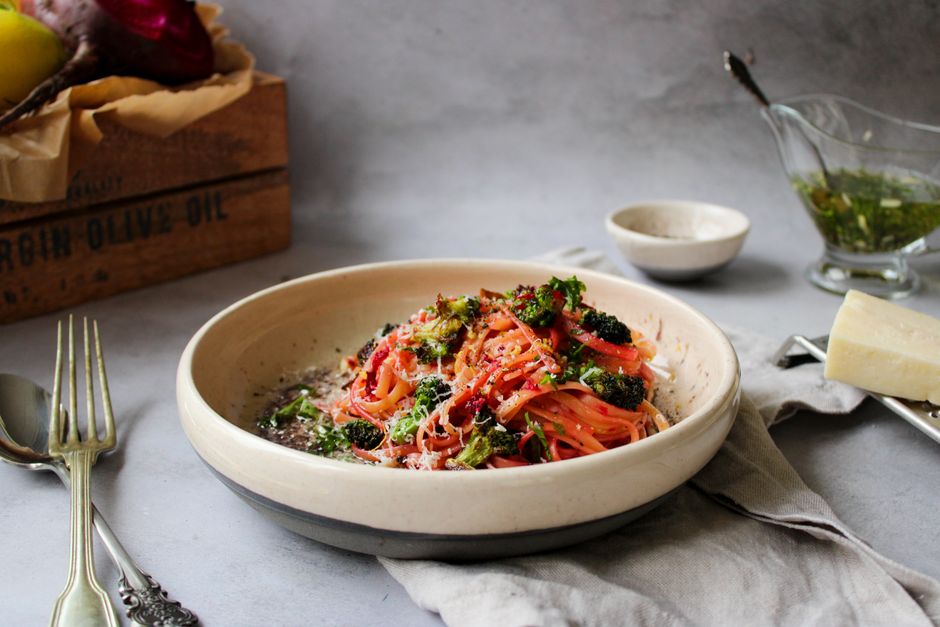
The most reliable method uses one pot for pasta and one wide skillet for the vegetables. Start the water before chopping. This creates a natural schedule and prevents the common mistake of finishing the vegetables while the pasta still needs ten minutes.
Use this five-step order
- Boil the pasta water. Use about 4 quarts of water for 12 ounces of dried pasta. Salt it after it reaches a boil so the seasoning is easy to judge.
- Prep by cooking time. Put firm vegetables such as carrots, broccoli, or squash in one bowl. Keep quick-cooking vegetables such as peas, spinach, tomatoes, and fresh herbs separate.
- Brown the slow ingredients first. Heat 2 tablespoons of olive oil in a wide skillet. Add onions, mushrooms, squash, or broccoli and cook for 5 to 8 minutes. Stir only when the vegetables need to move.
- Cook the pasta until just firm. Check it 2 minutes before the package time. Reserve at least 1 cup of pasta water before draining.
- Finish the sauce in the skillet. Add the drained pasta, 1/2 cup of pasta water, cheese or beans, and the quick vegetables. Toss for 1 to 2 minutes until the liquid turns glossy and coats the noodles.
Fix the three most common mistakes
- If the sauce is watery, raise the heat and toss the pasta for another minute. Do not add more cheese first.
- If the vegetables taste flat, add salt before adding lemon juice. Acid brightens flavor but cannot replace seasoning.
- If the pasta feels dry, add pasta water 2 tablespoons at a time. Plain tap water will loosen the dish without adding starch.
This process gives a family dinner enough structure to repeat, but it still leaves room for whatever the market or refrigerator offers.
Which Pasta Shapes Handle Seasonal Vegetables Best?
The best pasta shape is the one that carries the sauce and holds the size of the vegetables. Long noodles suit silky sauces and thin ribbons of produce. Short ridged shapes work better with chunky vegetables, beans, and tomato sauces. Shape matters more than a small difference in cooking time.
Shape and product comparison
| Pasta | Package detail | Best vegetable pairing | Verdict |
|---|---|---|---|
| Barilla Spaghetti No. 5 | 16 oz box; about 9 minutes | Zucchini, cherry tomatoes, spinach | Best for glossy oil-based sauces |
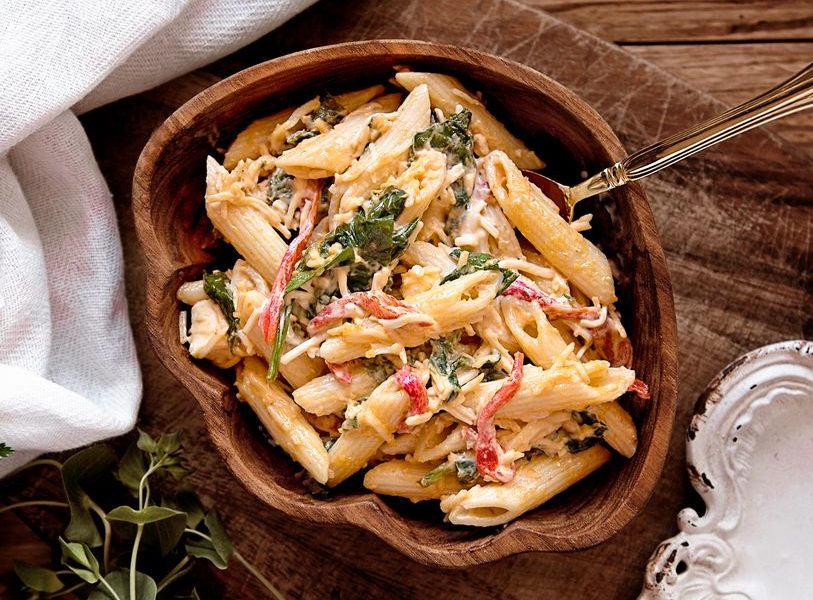
| De Cecco Penne Rigate No. 41 | 16 oz box; about 12 minutes | Broccoli, peppers, roasted cauliflower | Best for chunky vegetables and baked finishes |
| Banza Rotini | 8 oz chickpea pasta box; about 7 to 9 minutes | Tomatoes, kale, white beans | Best when you want extra protein, but rinse gently if the sauce feels sticky |
| Rao’s Homemade Marinara | 24 oz jar | Eggplant, mushrooms, peppers | Best shortcut for a tomato-based comfort bowl |
Pick one clear winner for each dinner
For a fast skillet of summer vegetables, Barilla Spaghetti No. 5 is the strongest choice because long strands catch olive oil, garlic, and tomato juices. For broccoli or cauliflower, De Cecco Penne Rigate No. 41 wins because the ridges hold small florets and the tube keeps sauce inside. Banza Rotini is useful when protein matters more than a classic wheat-pasta texture. It can become tender quickly, so pull it from the water as soon as the center loses its raw crunch.
Rao’s Homemade Marinara is a practical shortcut, not a substitute for seasoning. Add browned mushrooms, roasted peppers, or a spoonful of pasta water so the jarred sauce tastes connected to the vegetables. The clear verdict: choose the shape first, then match the sauce. Do not force spaghetti into a chunky vegetable ragù or use a small tube for a delicate lemon sauce.
What Makes Vegetable Pasta Taste Rich Without Cream?
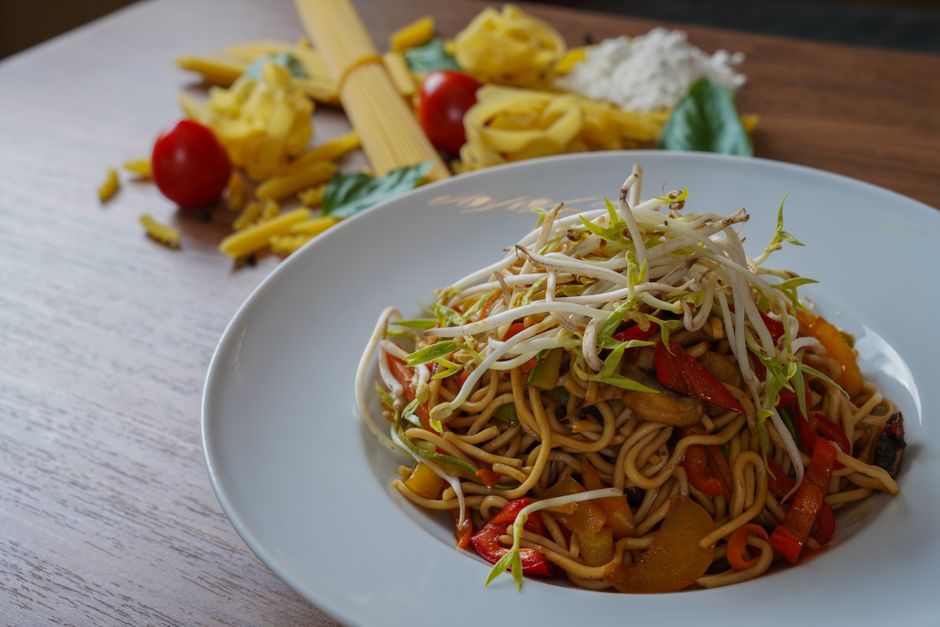
Richness comes from texture and emulsion, not just dairy. A small amount of fat combines with starchy pasta water to create a sauce that feels smooth. Cheese, beans, nuts, and roasted vegetables add body from different directions. The most dependable approach is to finish the dish off the heat, then add the final ingredients gradually.
How do you make a silky sauce?
After draining, add the pasta to the skillet with 1/2 cup of reserved water and 1 tablespoon of butter or olive oil. Toss hard for 60 to 90 seconds. The starch helps the fat spread across the noodles instead of sitting in a slick layer at the bottom. Add grated parmesan or pecorino only after the pan cools slightly. Very high heat can make cheese seize into clumps.
How do you add depth without making the dish heavy?
Use one concentrated ingredient. A teaspoon of tomato paste gives roasted vegetables a deeper taste. A tablespoon of white miso adds savory flavor to a squash or mushroom pasta. Toasted breadcrumbs bring crunch to soft greens. White beans create a creamy texture when mashed into the sauce, while still keeping the dish light enough for a weeknight.
When should you skip the creamy finish?
Skip cream when the vegetables are already sweet or watery. Cream can blur the flavor of ripe tomatoes, zucchini, and peas. Use lemon zest, herbs, and a sharp cheese instead. Also skip a thick sauce when the pasta will be reheated for lunch; it often becomes stiff and greasy. A tomato, oil, or broth-based sauce holds up better in a container.
My recommendation is simple: use pasta water, one finishing fat, and one strong flavor booster. More ingredients rarely create more comfort.
The Best Comfort Pasta Formula for Busy Nights
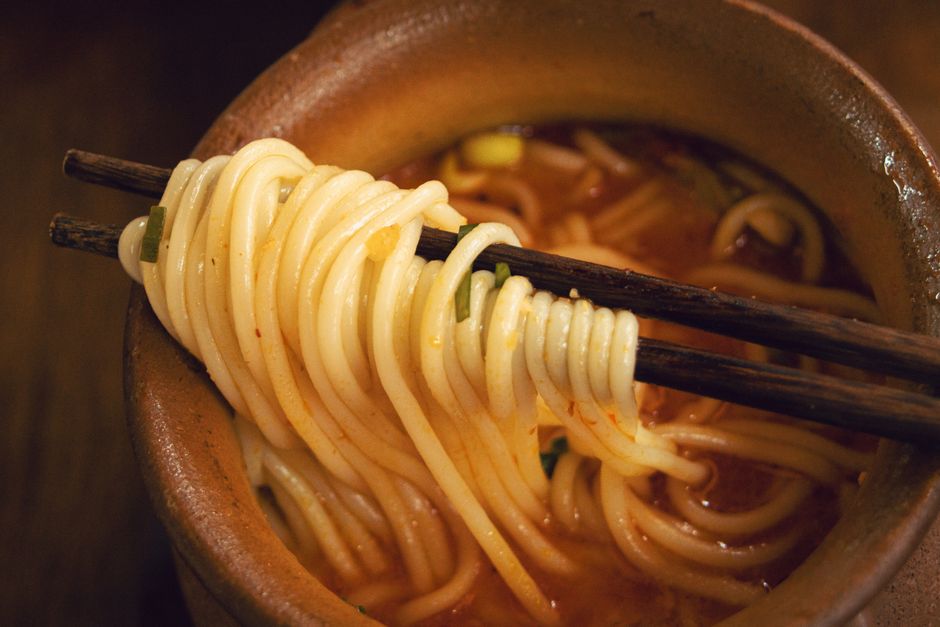
My pick for most families is a 12-ounce box of ridged penne, 3 cups of seasonal vegetables, and a quick sauce built from olive oil, garlic, pasta water, and cheese. It is forgiving, filling, and easy to adjust for picky eaters. Add roasted chicken or white beans for extra protein. Keep a portion plain before adding chili flakes or bitter greens.
Use this formula in every season
- Spring: sauté asparagus and peas, then finish with lemon zest, parmesan, and mint.
- Summer: brown zucchini and corn, add cherry tomatoes at the end, and use basil with olive oil.
- Fall: roast squash until browned, combine it with sage, mushrooms, and pecorino.
- Winter: cook cabbage or broccoli with garlic, then add white beans and toasted breadcrumbs.
Know when not to buy a specialty ingredient
You do not need fresh pasta, imported sauce, or a large basket of vegetables for a good dinner. Fresh pasta cooks quickly but can become soft under a heavy sauce. Chickpea pasta adds protein but has a firmer, more distinct flavor. A jarred tomato sauce saves time, but fresh tomatoes taste better when they are truly ripe. Spend extra money on specialty ingredients only when they solve a real problem, such as a rushed cooking window or a need for gluten-free pasta.
Avoid the biggest failure mode: adding every leftover vegetable to one pan. Too many textures make the dish taste confused, and watery produce can stop browning. Choose two main vegetables, one pasta shape, and one finishing flavor.
That returns us to the refrigerator with the lonely zucchini and half onion. Give the onion time to brown, let the zucchini lose its water, cook the pasta until firm, and finish everything with starchy water and cheese. Thirty minutes later, the problem is no longer an empty kitchen. It is a warm bowl that tastes planned.