
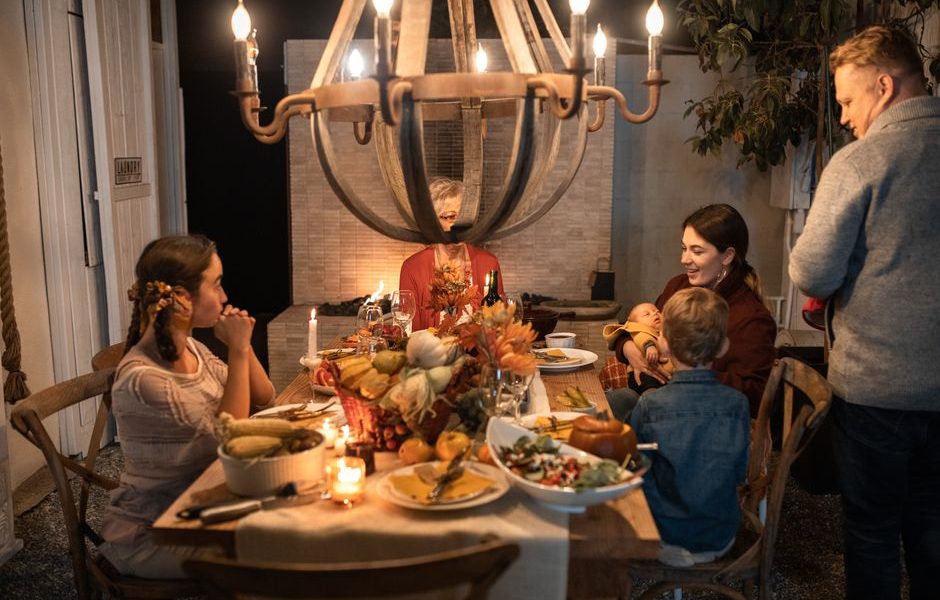
The dishes are done, the November light has faded, and everyone has drifted into a different corner of the house. One child is watching short videos. Another is answering every question with a shrug. You want a warm family moment, but forcing a heartfelt talk would make the room go silent fast.
The best solution is a small, repeatable ritual that gives everyone something to do with their hands and an easy way to speak. The winning format is a 30-minute gratitude routine: one quiet opening, one concrete prompt, one shared activity, and a short finish. It works better than a long family discussion because nobody has to perform.
A 30-Minute November Gratitude Routine That Children Will Join

Set the room in five minutes
Choose a predictable time, such as after dinner or before the youngest child starts bedtime. Turn off the television. Leave phones in another room for half an hour. Put paper, pencils, and a small bowl in the center of the table. Use a lamp instead of bright overhead lighting if the room allows it.
- Minutes 0–5: Serve a simple snack or warm drink. Nobody has to talk yet. Let everyone settle.
- Minutes 5–10: Each person writes or draws one small good moment from the day. A picture, name, place, or single word is enough.
- Minutes 10–18: Take turns sharing. The speaker may explain the answer, read it aloud, or ask another person to guess.
- Minutes 18–25: Choose one shared action from the answers. Send a thank-you text, prepare tomorrow’s lunch, write a note, or place one helpful task on a family list.
- Minutes 25–30: End with a light question: What should we notice tomorrow? Put the papers in a jar or recycle them. Stop while the energy is still good.
Use this timing chart when evenings are busy
| Time | Activity | Best prompt |
|---|---|---|
| 5 minutes | Quiet drawing or writing | What made today easier? |
| 8 minutes | One answer per person | Who helped you this week? |
| 7 minutes | Shared action | What can we pass forward? |
| 5 minutes | Funny or sensory round | Best smell, sound, or bite this week? |
| 5 minutes | Close the ritual | What should we notice tomorrow? |
The fixed schedule matters more than the exact prompt. Children learn that the activity will end after 30 minutes, so it does not feel like an open-ended family meeting. Adults also avoid turning the evening into a lecture about manners or appreciation.
If a child refuses to share, let them contribute by drawing, choosing a prompt, or placing a note in the bowl. Participation has several valid forms. A family ritual becomes sustainable when it makes room for different energy levels.
Low-Pressure Tools for Family Gratitude Games
You do not need to buy anything for these activities. Paper scraps and a kitchen bowl work perfectly. If your family enjoys prompts but runs out of ideas, a small conversation game can remove the planning burden. My clear pick for most households is TableTopics Family Edition because its short questions suit mixed ages and do not require a long setup.
Compare the useful options
| Product | What it includes | Typical new price | Best use |
|---|---|---|---|
| TableTopics Family Edition | 135 question cards; family-focused prompts; usually ages 8 and up | About $25 | Short dinner conversations |
| The Storymatic Original | 540 story cards; open-ended combinations; ages 5 to adult | About $30 | Creative storytelling across age groups |
| Rory’s Story Cubes Classic | 9 dice with 54 picture symbols; usually ages 6 and up | About $13 | Drawing, stories, and visual prompts |
| The Hygge Game | 110 conversation cards; reflective questions; adult-friendly tone | About $25 | Older children and relaxed adult evenings |
Prices vary by retailer and edition, so treat these as planning figures rather than fixed 2026 prices. The value is not the box itself. The value is having a prompt ready when nobody has the energy to invent one.
Choose one tool for one family problem
Pick TableTopics Family Edition if your family gives short answers and needs direct questions. Choose Rory’s Story Cubes Classic if drawing or imaginative play feels safer than personal sharing. Pick The Storymatic Original for families with younger children, older children, and adults at the same table. The open-ended cards let each person answer at a different level.
Skip The Hygge Game for a loud household with children under eight. Its reflective tone can feel slow, and younger players may lose interest before the first round ends. It fits better after bedtime or with teenagers who already enjoy conversation games.
Do not buy a game if your family already resists structured activities. A store-bought box will not solve a timing problem, a tired household, or a conflict that needs direct attention. Use three homemade prompts instead: name one helpful act, name one pleasant detail, and choose one small act of kindness for tomorrow.
What to Do When Gratitude Talk Turns Awkward
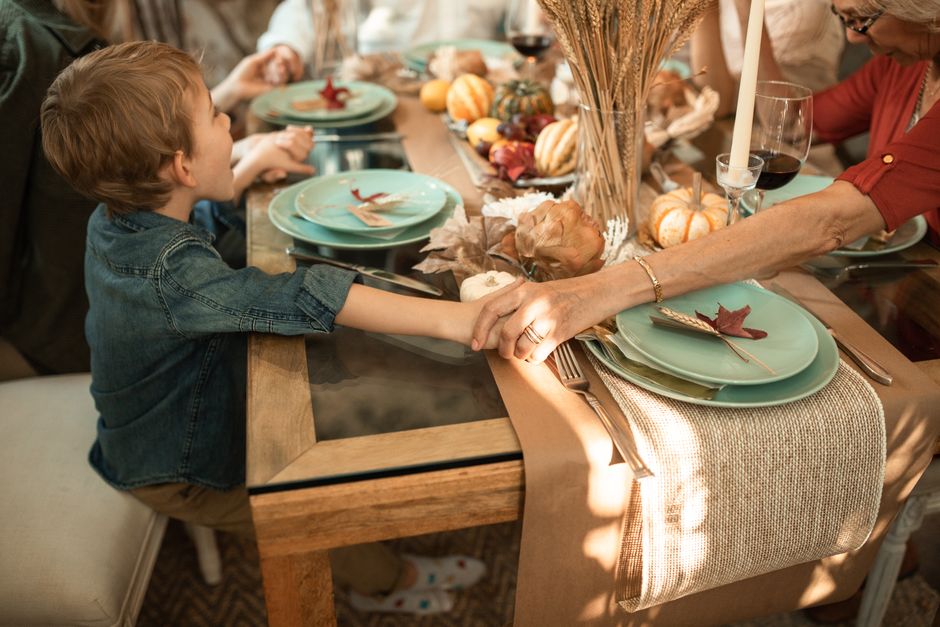
What if a child says nothing?
Accept the pass without a speech. Offer three choices: draw an answer, point to an object in the room, or answer a silly version of the prompt. A child may not want to describe a feeling, but they may identify the best snack, funniest sound, or most comfortable place in the house.
Do not ask why the child cannot think of anything. That turns a gentle activity into a test. Say, You can listen this round. We will ask again another day. The child learns that the family table is safe even when they do not have a polished response.
What if someone gives a sarcastic answer?
Let one joke pass. Humor often protects a person from feeling exposed. Respond with a small laugh, then offer a second route: Give us a real or ridiculous answer. Both are allowed. If the sarcasm continues, end that person’s turn rather than arguing about attitude.
What mistakes make the ritual fail?
- Do not force eye contact or require every person to share a private feeling.
- Do not correct the answer because it seems too small. A favorite blanket can matter on a hard day.
- Do not turn gratitude into a lesson about children who have less.
- Do not use the activity to settle an argument or demand an apology.
- Do not make one person host every night. Rotate the prompt reader, snack chooser, or note collector.
- Do not continue past the planned finish time just because the conversation finally became interesting.
The strongest repair is simple: lower the stakes at the next session. Use a food, music, or weather prompt instead of a relationship prompt. The family needs several easy wins before a more personal question feels natural.
A Four-Week November Plan That Does Not Feel Like Homework

My recommendation is to repeat one small format for four weeks instead of planning a different event every night. Repetition creates comfort. Variety can come from the prompt, not from a new craft, recipe, or elaborate family production.
Week one: notice ordinary help
Ask who made the day smoother. The answer might be a sibling who shared a charger, a bus driver who waited, or a teacher who explained a difficult task. End by writing one short thank-you note. Keep the note private if a public thank-you would embarrass someone.
Week two: remember through the senses
Use smell, sound, texture, color, and taste. Serve popcorn, apples, cocoa, or another simple snack. Ask which November smell belongs in a family memory. This round works well for young children because sensory details are easier than abstract feelings.
Week three: pass something forward
Each person chooses one helpful action for the next day. It could be clearing the table, checking on a neighbor, leaving a kind message, or preparing a sibling’s school item. Keep the action small enough to complete within 24 hours. Gratitude becomes more convincing when it changes what the family does.
Week four: keep the best tradition
Review the previous weeks and vote on one activity to continue after November. The winner may be the five-minute question, the note jar, or the shared snack. Drop anything that felt forced. A tradition earns its place by making ordinary evenings feel more connected, not by filling the calendar.
That original November evening can end differently now. The dishes may still be in the sink, and someone may still give a sarcastic answer, but the family has a small place to land. Thirty quiet minutes, one specific memory, and one useful act are enough to turn a scattered night into a shared one.