

Fall weather changes faster than most outfits can handle. The right layering system keeps you comfortable on a cold morning, a warm afternoon, and a windy walk home without making you look or feel stuffed into winter clothes.
Which Fall Fabrics Give the Best Comfort?
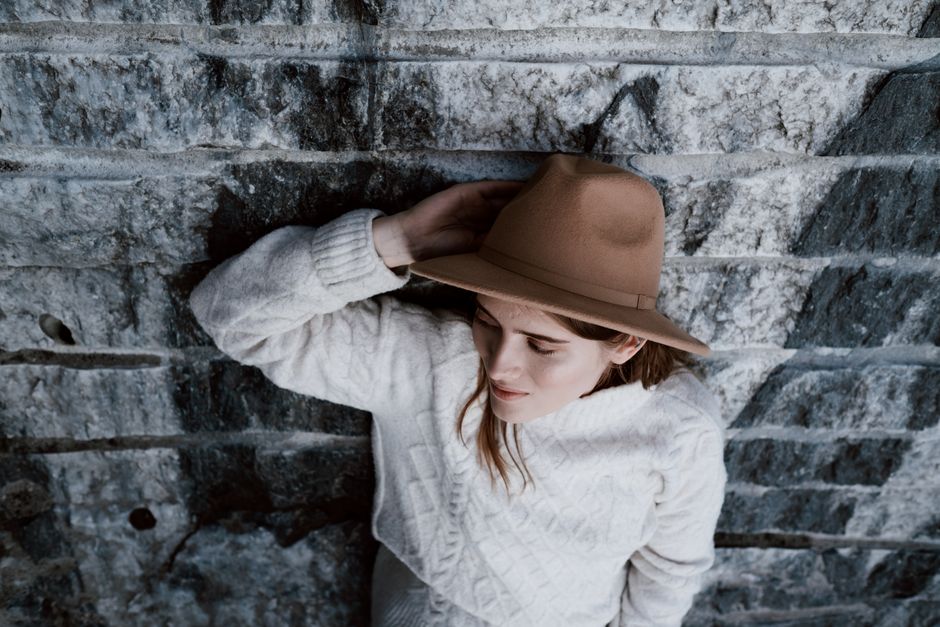
For everyday wear, merino wool is the strongest all-around choice, fleece is the best low-cost warmth layer, and synthetic insulation works best when wind and damp weather are part of the day. Cotton still has a place, but it should not be your only defense against cold.
Fabric performance at a glance
| Layer type | Best use | Strength | Weakness |
|---|---|---|---|
| Merino wool | Base layer for changing temperatures | Warm, breathable, resists odor | Costs more and needs gentler washing |
| Fleece | Middle layer for errands and outdoor play | Light, warm, easy to wash | Does not block wind |
| Synthetic insulation | Cold, windy commutes | Warm when damp and compressible | Can feel too warm indoors |
| Cotton jersey | Mild fall days and indoor wear | Soft, affordable, familiar | Stays wet after sweating |
Real examples and the practical verdict
The Uniqlo HEATTECH Crew Neck Long-Sleeve T-Shirt, usually listed around $19.90, is the best budget base layer for mild to cool days. It is thin enough to disappear under a shirt or sweater. For a natural fiber option, the Smartwool Classic Thermal Merino Base Layer, often priced around $115, gives better odor control and temperature balance, but the higher cost only makes sense if you wear it often.
For outer warmth, the Patagonia Nano Puff Jacket costs about $239 and uses 60-g PrimaLoft Gold Eco insulation. It is the best choice here for a windy, damp commute because synthetic insulation keeps working when conditions turn wet. The North Face ThermoBall Eco Hoodie, commonly priced around $230, is another strong synthetic option, but it makes more sense for active outdoor use than casual indoor wear.
Do not buy the most technical fabric automatically. For school runs, grocery trips, and office days, merino or a simple synthetic blend usually gives you better value than expensive expedition gear.
How to Build a Three-Layer Outfit in Five Steps
A reliable fall outfit starts with the weather, not the mirror. Check the morning temperature, wind, chance of rain, and how long you will spend outside. Then build the outfit in this order.
Use this five-step dressing sequence
- Start with a close base layer. Choose a fitted long-sleeve top that moves sweat away from your skin. A thin merino shirt or smooth synthetic top works better than a thick cotton tee.
- Add one flexible middle layer. Pick a cardigan, overshirt, light sweater, or fleece that you can remove without ruining the outfit. This layer should add warmth, not become the entire outfit.
- Protect against wind and rain. Add a shell or light insulated jacket when the forecast is below 55 degrees Fahrenheit, windy, or wet. A warm sweater without a wind-blocking outer layer often fails outside.
- Check the sleeve and hem gaps. Cold air enters at the wrists, neck, waist, and ankles. A longer base layer, a scarf, or higher socks can fix the problem faster than buying a heavier coat.
- Test movement before leaving. Sit down, reach forward, lift your arms, and zip the jacket. If the layers pull across your back or bunch under your arms, remove thickness before adding accessories.
The best daily formula
For most people, the winning formula is a smooth base, a medium-weight middle, and a light shell. It works for commuting, walking children to school, working from a café, and handling an afternoon temperature jump. Add insulation only when the weather requires it.
That last step matters. Many people treat every chilly morning as a reason to wear their heaviest sweater. By lunch, they are carrying it. A removable middle layer gives you more comfort than extra thickness.
The Best Layering Rule Is Fit Before Warmth
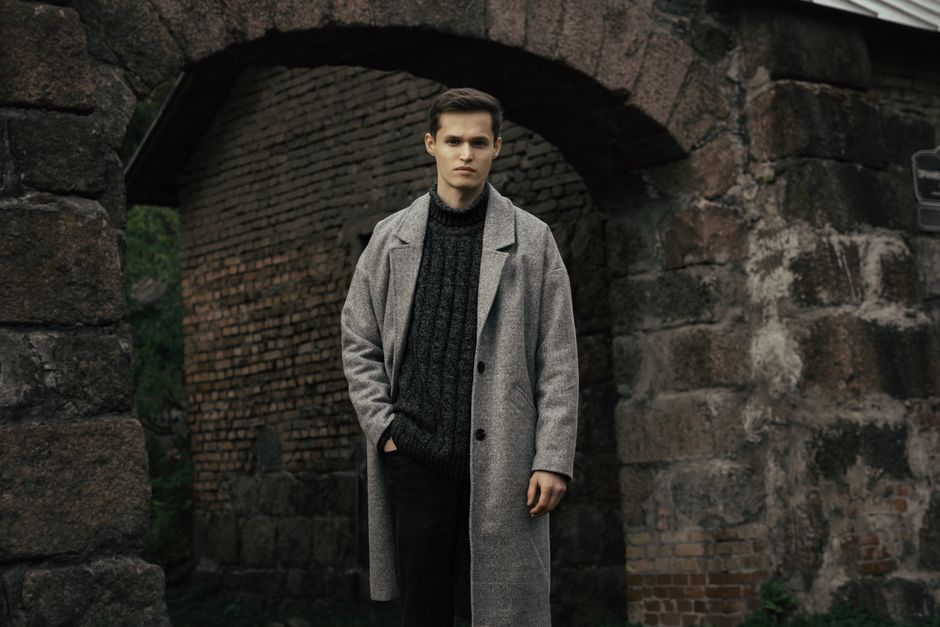
Fit before warmth. A badly fitted warm outfit is still uncomfortable. If the shoulders pull, the collar rubs, or the sleeves bunch, you will adjust the clothes all day instead of enjoying them. Start with a base layer that follows your body, add one piece with room through the chest and arms, then finish with an outer layer that closes without strain.
Use the two-finger test
When a jacket is zipped, you should fit two fingers between your neck and the collar and still turn your head freely. At the chest, you need enough space to wear your normal middle layer without pulling across the zipper. At the wrists, the cuff should reach the base of your thumb so movement does not expose bare skin.
Keep the outfit visually calm
Comfortable layering does not require a complicated outfit. Limit the look to two main colors and one texture that stands out. A smooth shirt under a textured cardigan looks cleaner than three bulky knits stacked together. Keep the longest hem close to the body and avoid several loose hems ending at the same point.
The verdict: a medium-weight outfit with clean proportions beats a heavy outfit with poor fit. Warmth matters, but freedom of movement decides whether you will actually wear the clothes all day.
Fall Layering Questions People Usually Get Wrong
How many layers do you need for 50-degree weather?
Most people need two clothing layers at 50 degrees Fahrenheit and a third layer if wind or rain is present. Start with a long-sleeve base and a sweater or overshirt. Add a light shell for a long walk, an exposed outdoor area, or a damp forecast. Three heavy pieces will usually be too much once you enter a heated building.
Should the warmest layer go under or over the jacket?
The warmest layer usually belongs in the middle, not directly against the skin. A fleece or wool sweater works better over a smooth base because it can trap air without rubbing against your body. The outer jacket should block the weather. If your jacket is not large enough to fit over the sweater, the jacket is the wrong size or the sweater is too bulky.
Can you layer dresses and skirts for fall?
Yes, but handle the lower half with the same logic as the upper half. Add opaque tights or slim leggings, then wear boots that leave enough room for socks. A long cardigan or cropped jacket can balance a dress without hiding its shape. Avoid thick tights under a tight skirt if you will sit for long periods; the fabric bunches and becomes irritating.
The practical answer is not more clothing. It is better control over heat, moisture, and movement.
Common Fall Layering Mistakes That Make Outfits Worse

Most uncomfortable fall outfits fail because of small choices, not bad weather. Fix these problems before buying another sweater.
Five mistakes to remove first
- Starting with a bulky base. Thick cotton shirts create pressure under every layer and hold sweat against the skin.
- Ignoring the wind. A warm knit may work on a still day but fail badly on a windy street. Add a shell instead of adding another sweater.
- Using too many competing textures. Fleece, chunky knit, corduroy, and a quilted jacket can make the outfit look heavy and feel stiff.
- Buying the same size in every layer. A base layer can be close-fitting, but an outer jacket often needs extra room through the shoulders and upper arms.
- Forgetting indoor heat. If you spend most of the day inside, make the middle layer removable. A full cold-weather outfit may feel miserable after ten minutes in a heated room.
When not to buy another layer
Do not buy a new jacket when the real problem is exposed skin at the neck, wrists, or ankles. A scarf, longer socks, or a better-fitting base layer may solve the cold spots immediately. Do not buy a technical insulated jacket for a lifestyle that rarely leaves the car or office. It will cost more, take up closet space, and spend most of its life unused.
Buy the layer that fixes the actual failure. More clothing is not the same as more comfort.
How to Create a Small Fall Layering Capsule
A useful fall wardrobe does not need twenty interchangeable pieces. It needs a few items that work in the same temperature range and fit together without constant planning.
Use a five-piece starting point
- One smooth long-sleeve base in a neutral color.
- One second base in a different color or neckline.
- One medium-weight cardigan, overshirt, or sweater.
- One wind-resistant outer jacket.
- One pair of comfortable trousers or jeans that fit over your chosen base layers.
That small group can create several outfits if the colors stay compatible. Navy, charcoal, cream, olive, brown, and black are easy to combine. Add one accent color if you want more personality, but do not build a wardrobe where every layer demands a separate outfit.
Plan for three temperature changes
Build one outfit for the coldest part of the morning, one adjustment for midday, and one option for the evening. In practice, that may mean wearing the base and middle layers at breakfast, removing the middle layer indoors, and putting it back on after sunset. The goal is not to predict the weather perfectly. The goal is to make every change quick.
Wash base layers according to their fiber, let knitwear dry flat, and keep outer jackets away from high heat unless the care label allows it. Well-maintained layers stay comfortable longer, which matters more than owning a larger wardrobe.