

The best way to make a hot day feel manageable is to move before the heat starts collecting interest. A 20- to 40-minute morning walk gives you daylight, light exercise, and a clear first win before work, school, errands, or childcare begin. It costs nothing to start. The expensive gear is optional, and most of it does not improve the habit enough to justify the bill.
The practical recommendation is simple: walk after sunrise, choose a shaded route, carry water, and stop before the heat turns the outing into a test of endurance. This guide covers the timing, route planning, family logistics, real gear costs, and mistakes that make morning walks harder than they need to be.
How to choose the safest time and route
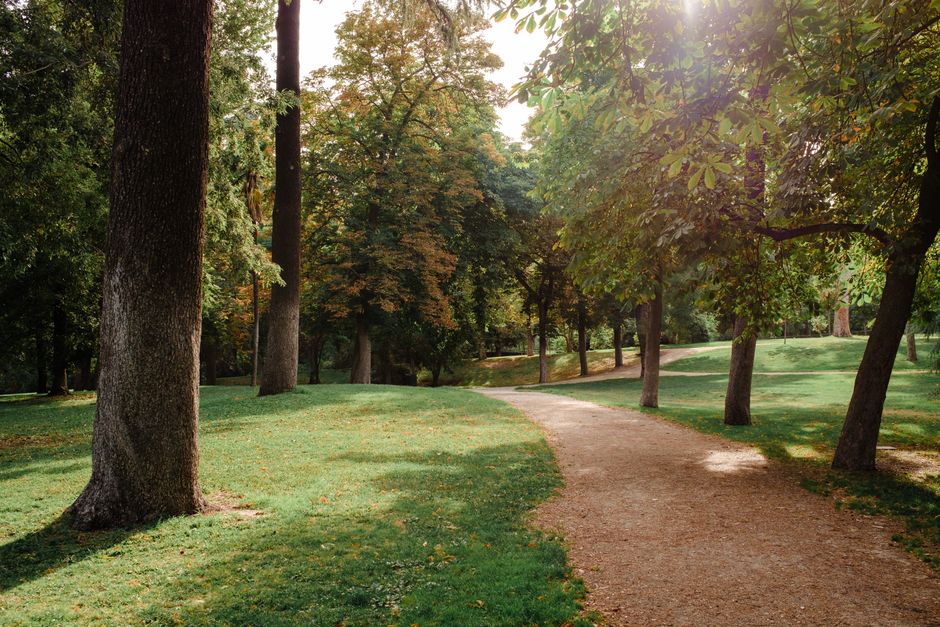
Use a fixed departure window instead of waiting for perfect weather. For many hot climates, the most workable window is 30 to 90 minutes after sunrise. Check the forecast before leaving, but do not rely on temperature alone. Humidity, direct sun, wind, pavement, and the amount of shade can change how the same temperature feels.
A five-step route test
- Check the forecasted temperature, humidity, and heat index before breakfast.
- Choose a route with shade, benches, public water, and a short exit point.
- Walk the first half at an easy pace and keep the second half no harder.
- Plan one indoor backup, such as a shopping center or community gym, for heat alerts.
- Tell another adult your route if you are walking alone, especially before sunrise.
The numbers that matter on a hot morning
A 30-minute route should stay close to home, not because distance is dangerous, but because flexibility matters. A reasonable starting pace is about 2.5 to 3.5 miles per hour. For a family walk, 0.75 to 1.5 miles is enough. The objective is not to hit a step number. It is to return with time to drink, cool down, and get ready without creating a second problem.
When the heat index reaches the upper 90s Fahrenheit, reduce the route or move indoors. At 100 degrees or higher, skip the outdoor walk unless local guidance says conditions are safe and you have a strong reason to continue. People with heart or lung conditions, those taking certain medications, young children, and older adults should follow personal medical guidance rather than a generic walking rule.
What a morning walk really costs in 2026
The cheapest effective setup costs $0 to $20. Use shoes you already own, a reusable bottle, sunscreen already in the bathroom, and a route from your front door. Buying equipment can make leaving easier, but it cannot replace a workable departure time. The table below separates useful upgrades from expensive distractions.
| Item | Reference price | Useful specification | Verdict |
|---|---|---|---|
| Existing walking shoes | $0 | Comfortable fit, no painful rubbing | Best starting choice |
| Owala FreeSip 24 oz bottle | About $29.98 | 24-ounce capacity, insulated design | Useful for longer walks |
| Beauty of Joseon Relief Sun SPF50+ | About $18 | SPF 50+, portable facial sunscreen | Good for daily face coverage |
| Hoka Clifton 9 | About $145 MSRP | Cushioned walking and running shoe | Best for soft underfoot comfort |
| Garmin vívoactive 5 | $299.99 launch MSRP | GPS, 1.2-inch AMOLED screen, up to 11 days of smartwatch battery | Only for people who use data |
How to judge a gear purchase
Buy the item that removes a specific obstacle. If your current shoes cause heel pain, a new pair may be sensible. If you forget water, a bottle stored beside the door has value. If you already own a phone and never review exercise data, a $299.99 watch is a luxury, not a walking requirement. The vívoactive 5 has useful features, but the watch will not make a reluctant person leave home.
The financing trap
Do not put a $145 pair of shoes or a $299.99 watch on a revolving credit card just to protect a morning routine. A card charging 20% to 30% APR can add roughly $15 to $25 in interest to a $145 balance paid over a year, depending on the payment schedule. A $0 annual-fee card can still charge a late fee of up to $29 or $35. Pay cash when possible, wait for a sale, or use the shoes you already have. Bottom Line: spend first on comfort and sun safety, not tracking features.
What should a 30-minute walk look like?
Keep the routine boring enough to repeat. The best morning walk is not a workout performance. It is a small block of movement with a clear start and finish.
Minutes 0 to 5: leave slowly
Drink a few sips of water before you go. Walk at an easy pace and let your eyes adjust to the light. Do not turn the opening minutes into a race. If you are walking with children, this is the time to check shoes, hats, and energy levels.
Minutes 5 to 25: settle into a steady pace
Use a pace where you can answer a simple question without stopping. Keep the route shaded when possible. Avoid loud podcasts or constant notifications if the goal is a calmer start. A quiet walk may feel less entertaining, but it gives your attention a chance to settle.
Minutes 25 to 30: finish before fatigue
Slow down for the final five minutes. Return home while you still feel capable of another ten minutes. That reserve matters. It tells your brain that walking is manageable, which makes tomorrow’s decision easier.
For a family, the winner is a 20-minute loop with one safe stopping point. For an individual, the winner may be a 40-minute route with a coffee shop or library at the midpoint. The exact route is less important than a reliable exit and a start time that beats the worst heat.
How to make the walk work for beauty, family, and food
Use the walk as a bridge into the day, not another obligation. The beauty benefit is practical: less rushing can make sunscreen, water, and a clean breakfast easier to manage. The family benefit is shared time without a screen. The food benefit is a natural reason to finish near a market, bakery, or café without turning every walk into a paid outing.
A low-cost family version
- Set out shoes and hats beside the door the night before.
- Give children a route job, such as spotting three shaded benches or checking the water stop.
- Pack one simple snack for walks longer than 30 minutes.
- Use a stroller-friendly route with an indoor backup.
- Return early enough to eat breakfast before everyone becomes irritable.
For a child, the route may need a playground or a visible landmark. For an older adult, benches and bathrooms matter more than pace. For a dog, pavement temperature and access to water deserve attention. One route rarely serves every person equally, so a household may need a short loop and a longer loop.
Simple personal-care choices
Beauty products should solve exposure problems, not create a new shopping habit. Beauty of Joseon Relief Sun SPF50+ is a familiar facial sunscreen example at about $18, while Supergoop! Unseen Sunscreen SPF 40 is commonly priced around $38 for 1.7 ounces. The cheaper option is not automatically better, and the more expensive tube is not automatically stronger. Pick a sunscreen you will apply in enough quantity and reapply when the walk, sweat, or outdoor time calls for it.
For feet, the Hoka Clifton 9 is the better pick for someone who wants a cushioned feel, while the Brooks Ghost 16, often listed around $140 with a 10-millimeter heel-to-toe drop, suits walkers who prefer a more traditional road-shoe shape. Neither shoe earns its price if it causes pressure, slipping, or blisters. Try them on with the socks you actually wear.
The clear verdict on building a calmer hot-day routine
For most people, the best setup is a 20- to 30-minute shaded walk using existing shoes, a $0 route, water from home, and sunscreen already in the cabinet. Add a new pair of shoes only when your current pair creates pain or instability. Choose the Garmin vívoactive 5 only if GPS, sleep data, and battery life will change your behavior; otherwise, your phone is enough. Choose a bottle for convenience, not because a special lid will create discipline.
What to buy and what to skip
Buy comfort before style, sun protection before tracking, and a bottle before a watch. Skip any purchase that requires a balance at 20% to 30% APR. Skip gear with a large annual membership fee unless you have checked the cancellation rules. A walking habit should lower daily stress, not add a monthly payment.
One honest measurement
Track how often you leave home feeling better prepared for the day. That is more useful than a perfect step count. A route that gives you enough time for breakfast, school, work, and a shower has real value. A route that leaves you overheated and late does not, even if the tracker awards a higher number.
This is not financial advice, medical advice, or a promise that morning walks will solve every stressful day. It is a practical routine: start early, stay cool, keep the route short enough to repeat, and spend only where a purchase removes a real obstacle.
The most calming hot-day habit is a short morning walk you can repeat without debt, drama, or overheating.