
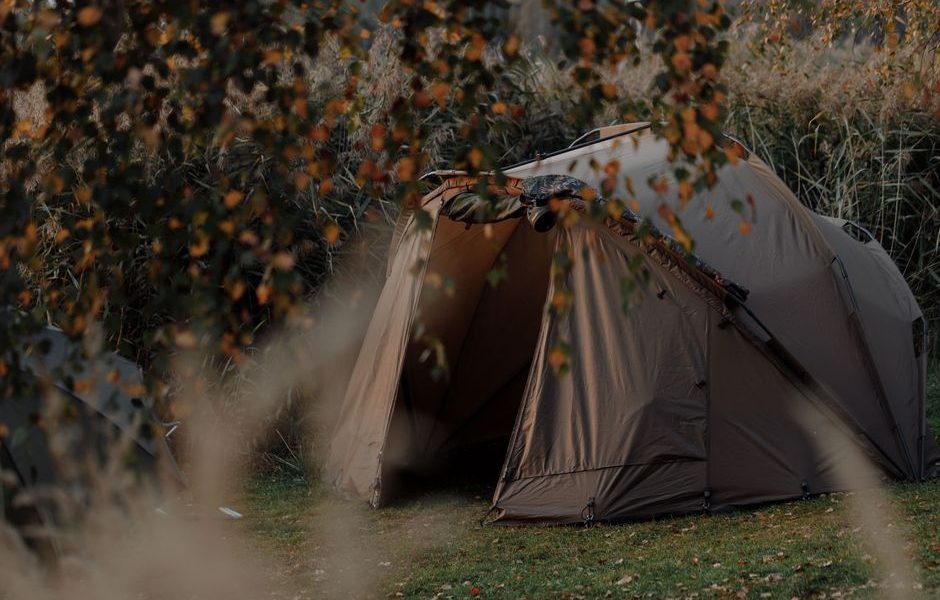
The simplest backyard camping setup for kids
Verdict: Keep the first backyard campout small, familiar, and easy to cancel. A tent, low lighting, simple food, bathroom access, and an indoor backup create a better night than a yard packed with new gear.
Choose space and shelter before buying anything
For two adults or one adult with two children, the Coleman Sundome 4-Person Tent gives a useful starting point: its listed floor size is 9 by 7 feet, and its center height is about 4 feet 11 inches. That size leaves room for sleeping bags without turning bedtime into a puzzle. Set the tent on level grass, away from sprinklers, low branches, ant nests, and the path between the house and the yard gate.
Do not chase a perfect wilderness setup. The point is to reduce the distance between adventure and help. Put shoes, a flashlight, water, jackets, and the bathroom route where children can reach them without stepping over sleeping bags.
| Item | Specific reference point | Why it matters |
|---|---|---|
| Coleman Sundome 4-Person Tent | 9 by 7 feet; about 4 feet 11 inches tall | Enough floor space for a small family setup without a complicated pitch |
| Black Diamond Moji R+ Lantern | 200-lumen maximum output | Bright enough for a path or tent entrance; dim it before sleep |
| BioLite AlpenGlow 500 Lantern | 500-lumen maximum output | Useful for the cooking table or a wider yard area |
Use lighting, food, and temperature controls
Use a warm, dim light inside the tent and a brighter light near the food area. Never leave a candle, fire bowl, or fuel-burning stove inside a tent, garage, shed, or enclosed porch. Pack food in sealed containers and keep it away from sleeping spaces. A cooler with dinner portions, fruit, and water removes the pressure to cook outdoors.
The strongest setup is also the least dramatic one: familiar bedding, one favorite stuffed animal, a bathroom visit before lights-out, and permission to sleep indoors if the experiment stops feeling fun.
Why a backyard campout works better than a first campground trip
The best first campout controls the variables. A public campground adds travel, unfamiliar bathrooms, other people, insects, noise, weather exposure, and a long drive home. A backyard removes most of those pressures while keeping the core experience: sleeping under a tent roof, listening to nighttime sounds, and learning how a family handles a different bedtime.
Build confidence through a short exit route
Children often enjoy the idea of camping more than the physical details. Grass feels damp. A tent shifts in the wind. A raccoon may move near the fence. The house gives parents a fast response to each problem, so a child can test the experience without feeling trapped.
Tell children the indoor backup plan before sunset. Say, “We will try the tent, and anyone can move inside if they need to.” That sentence removes the fear that leaving means failure. It also stops parents from turning a fun activity into a test of courage.
Match the night to the child’s actual tolerance
Age is only one factor. A seven-year-old who sleeps well in new places may handle a full night. A ten-year-old who dislikes darkness may need a shorter trial. Start with a 30-minute tent rest, then dinner outside, then a story. If the family reaches bedtime calmly, stay out. If not, the activity still worked.
Keep the first attempt free of forced surprises. Skip scary stories, hidden insects, loud music, and elaborate scavenger hunts after dark. The goal is a positive memory, not a proof that children can tolerate discomfort.
A practical backyard camping schedule from dinner to bedtime
Recommendation: Start early and finish the exciting parts before the sky is fully dark. Children become tired quickly, and a late schedule turns ordinary hunger or fatigue into a camping “problem.”
Follow a predictable four-hour sequence
- 5:30 p.m.: Check the forecast, inspect the yard, pitch the tent, and place bedding inside.
- 6:00 p.m.: Eat a simple dinner at a table or picnic blanket. Keep hot food away from the tent.
- 6:45 p.m.: Run one short activity, such as a flashlight treasure hunt with six visible clues.
- 7:30 p.m.: Change into sleep clothes, brush teeth, fill water bottles, and visit the bathroom.
- 8:00 p.m.: Read two or three familiar stories. Let children ask practical questions about sounds and shadows.
- 8:45 p.m.: Dim lights, put shoes beside the entrance, and begin quiet time.
Keep the food plan boring on purpose
Pick food that children already eat. Sandwiches, cut fruit, popcorn, muffins, and shelf-stable drinks create less mess than a menu that needs several pans. If you want a camping-style treat, make s’mores over a legal outdoor fire setup only after checking local restrictions, burn bans, and wind conditions. Rules vary by state and municipality, and a dry evening can change the safe choice.
Leave space between dinner and sleep. Sugar is not the only issue; a large meal, heat, and excitement can all delay bedtime. The most successful family schedule feels almost ordinary by the final hour.
Common backyard camping mistakes that cause midnight rescues
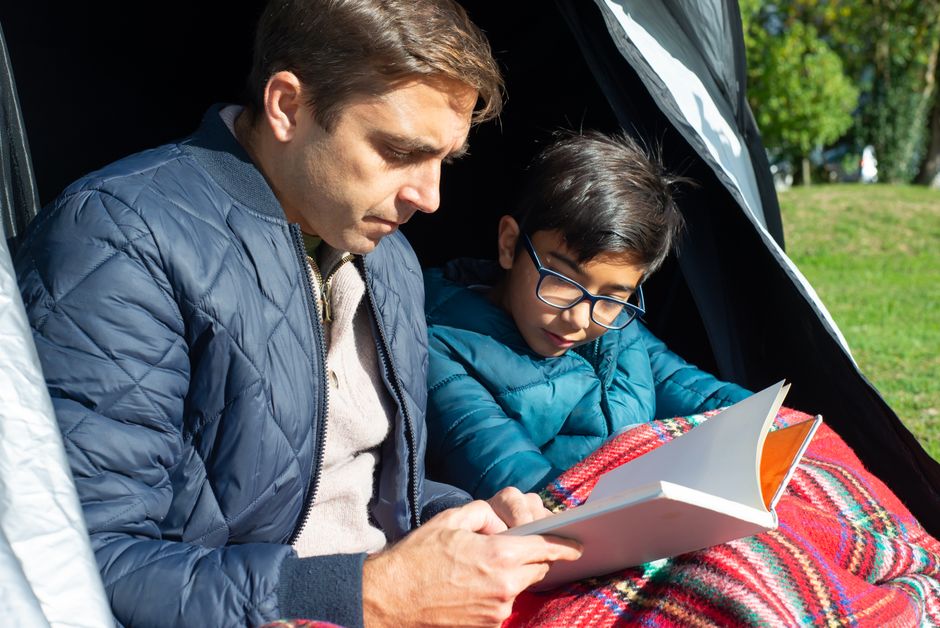
Clear verdict: Most failed backyard campouts do not fail because the family lacks expensive equipment. They fail because adults ignore small comfort problems until children are overtired.
Avoid these five predictable errors
- Pitching on wet grass: Moisture transfers into bedding and makes the tent feel colder. Choose a dry area and check for irrigation schedules.
- Waiting until dark to assemble: Tent poles, stakes, and missing parts are harder to manage with tired children nearby. Finish setup in daylight.
- Using too much light: Bright lanterns keep children alert and make every shadow look sharper. Use the lowest useful setting.
- Leaving food exposed: Open snacks attract insects and animals. Seal leftovers and move waste indoors before sleep.
- Ignoring the weather: Lightning, strong wind, extreme heat, smoke, and a fast temperature drop are valid reasons to cancel.
Check safety rules before adding fire or guests
Never use charcoal, propane appliances, or open flames inside a tent or enclosed structure. Keep matches, lighters, medicines, and sharp cooking tools out of children’s reach. An adult should control any fire, and water should be ready before the first flame starts.
Home insurance coverage, liability limits, exclusions, and required protections vary by state and individual factors. A backyard gathering does not create one universal coverage rule. AM Best ratings and J.D. Power scores can help compare insurers, but they do not answer whether a specific guest injury, detached structure, or fire loss falls within a policy. Read the exclusions and get multiple quotes when reviewing coverage rather than assuming the rating settles the question.
What to do when the tent plan stops working
What if a child refuses to sleep outside?
Move the child indoors without an argument. Offer a smaller win: lie in the tent for ten minutes, watch the stars from the doorway, or finish the story outside before sleeping in a bedroom. The clear recommendation is to protect trust. A child who can leave calmly is more likely to try again.
When should the family cancel the night?
Cancel for lightning, dangerous wind, wildfire smoke, extreme heat, unsafe air quality, flooding, or any condition that makes adults uneasy. Also cancel if a child is sick, exhausted, or frightened. A campout is optional recreation, so the indoor backup is part of the plan rather than an emergency failure.
What is the best version for most families?
Use one tent, one simple meal, one short activity, and a firm indoor fallback. That combination gives children novelty without removing the routines that help them sleep. A successful backyard campout ends with everyone warm, fed, and willing to do it again.