
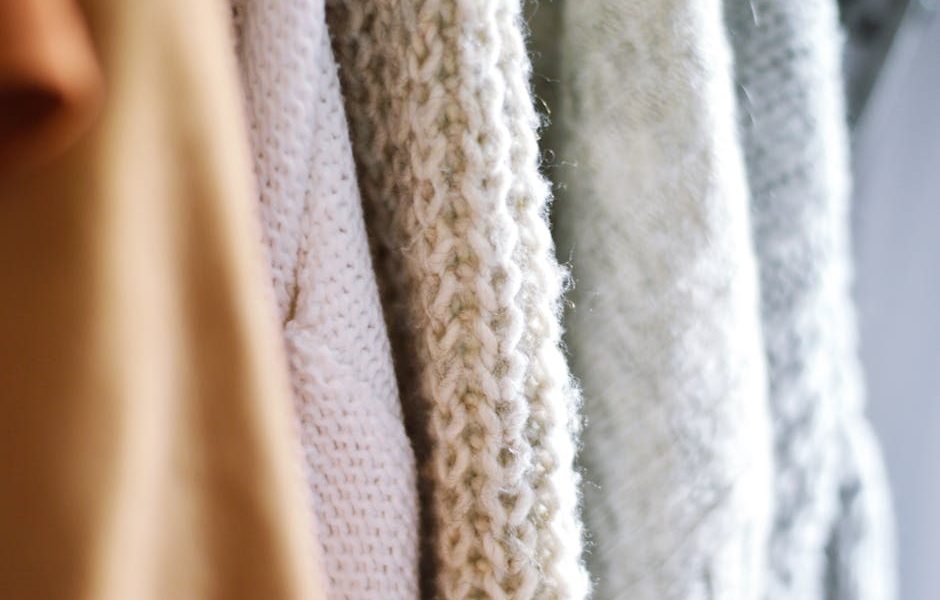
You are standing in a department store looking at a wall of knitwear. Everything looks fine under the halogen lights. You grab a navy crewneck that feels soft—unbelievably soft—and the price tag says sixty bucks. You think you’ve found a bargain. You haven’t. Two weeks later, that sweater will be covered in pills, the neck will be stretched out like a loose rubber band, and you’ll realize it’s about as warm as a wet paper towel. Most guys buy sweaters based on a five-second touch test. That is how you end up with a closet full of garbage that lasts one season. If you want to actually stay warm and look like an adult this winter, you need to understand what you’re buying. Stop looking for ‘soft’ and start looking for ‘substantial.’
Decoding the Science of Natural Insulation: Choosing the Right Wool
Not all wool is the same, and the marketing jargon used by brands often obscures the reality of what you are putting on your body. If you buy a sweater that is 50% acrylic or polyester, you are essentially wearing a plastic bag. Synthetics do not breathe; they trap moisture against your skin. You’ll find yourself sweating while walking to the train and then shivering the moment you stand still because that moisture has turned cold. To navigate the winter successfully, you must stick to natural fibers, but even within that category, there is a hierarchy of performance.
Merino wool is the baseline for most modern men. It is prized for its high warmth-to-weight ratio and its fine fibers, which generally range from 17 to 24 microns. For context, the human hair is about 75 microns. This fineness is why Merino doesn’t itch. It works perfectly under a blazer or a topcoat, but it has a thermal limit. If the temperature drops below freezing, a standard 12-gauge Merino sweater (which refers to the number of stitches per inch) isn’t going to cut it unless you’re layering like an onion. For real, biting cold, you need to look toward Lambswool or Shetland wool. These fibers are ‘toothier’ and more rustic. They are harvested from the sheep’s first shearing or from specific breeds in the North Atlantic that have evolved to survive brutal winds. These hairs are crimped and irregular, which is a good thing—it creates millions of tiny air pockets that trap body heat far more effectively than smooth, processed wool.
Cashmere remains the gold standard for luxury, but the market is currently flooded with low-quality junk. High-quality cashmere comes from the soft undercoat of goats in high-altitude regions like Mongolia. The fibers must be long (staple length) to ensure the sweater holds its shape and resists pilling. Cheap cashmere uses short, broken fibers that are heavily processed with chemicals to feel soft in the store. If the price seems too good to be true, the fibers are short, and the sweater will disintegrate within a year. Finally, consider Alpaca. Alpaca fiber is hollow, making it lighter and significantly warmer than sheep’s wool. It lacks lanolin, the natural oil found in sheep’s wool, which makes it a hypoallergenic alternative for men with sensitive skin. However, Alpaca is less elastic; an Alpaca sweater will drape elegantly but won’t ‘snap back’ as well as a wool-blend piece might.
| Fiber Type | Warmth Rating | Durability | Average Micron Count | Best Use Case |
|---|---|---|---|---|
| Merino Wool | Moderate | High | 17.5 – 24 | Office, Layering, Daily Wear |
| Shetland Wool | High | Very High | 25 – 35 | Outdoor, Casual, Extreme Cold |
| Cashmere | High | Moderate | 12 – 15 | Formal, Luxury, Comfort |
| Alpaca | Very High | Moderate | 18 – 25 | Extreme Cold, Sensitive Skin |
| Camel Hair | High | Moderate | 17 – 20 | Overcoats, Heavy Cardigans |
Avoid ‘Cotton-Cashmere’ or ‘Silk-Cashmere’ blends found in discount bins. Usually, it’s 90-95% cotton and a tiny fraction of low-grade cashmere. It’s a marketing trick designed to make a cheap, cold cotton sweater sound premium. It will provide almost zero insulation in January.
The Heavy Hitters: Top-Tier Sweater Recommendations for 2024
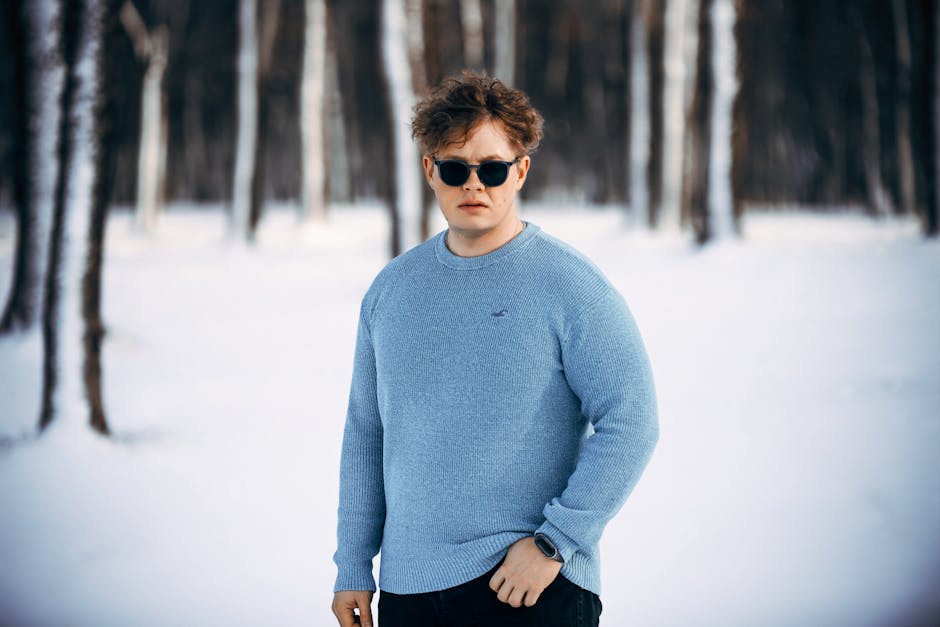
I’ve spent years testing knitwear from heritage mills and modern startups. Some brands have coasted on their heritage for a decade while quality plummeted to satisfy shareholders. Others are still putting out workhorse garments that can survive a decade of hard wear. Here is the breakdown of what actually works for a winter rotation, ranging from budget-friendly basics to ‘buy-it-for-life’ investments.
Uniqlo Extra Fine Merino Crewneck
Price: Approx. $49.90
Specs: 100% Wool, 19.5-micron fiber, 12-gauge knit.
This is the undisputed king of value. While most ‘affordable’ sweaters are blends, Uniqlo uses 100% Merino wool that is surprisingly consistent. It features a tight knit and a slim, modern silhouette. Pros: It fits perfectly under a suit jacket or a slim-cut denim jacket without adding any bulk. It is machine-washable (though I recommend air drying). Cons: It is thin. If you snag it on a sharp corner or a watch buckle, the fabric will likely run or develop a hole immediately. It is an office staple, not a piece of survival gear.
Andersen-Andersen Navy Crewneck
Price: Approx. $350.00
Specs: 100% New Merino Wool, worsted, 5-gauge, heavy-duty rib.
This is the polar opposite of the Uniqlo sweater. It is a massive, heavy knit made from worsted wool, which means the fibers have been combed to remove short hairs and aligned for maximum strength. It is symmetrical, meaning there is no front or back—a design choice borrowed from traditional naval sweaters so sailors could pull them on in the dark. Pros: It is virtually indestructible. You can wear this in a gale or a snowstorm and feel perfectly insulated. It features thumbholes in the cuffs for extra hand warmth. Cons: It is heavy and stiff. It feels like wearing a piece of armor until the wool softens after a dozen wears. It is also a significant financial investment.
Everlane The Grade-A Cashmere Crew
Price: Approx. $160.00
Specs: 100% Grade-A Mongolian Cashmere, 2-ply yarn.
Everlane has built its reputation on transparency, and their cashmere is a legitimate step up from mall-brand alternatives. They use Grade-A fibers, which are longer and finer, leading to less pilling over time. Pros: The softness-to-warmth ratio is excellent. It feels luxurious against the skin and works well for dinner dates or holiday parties. Cons: The fit tends to be slightly boxy. If you prefer a highly tailored look, you may need to size down. It still requires delicate care; you cannot treat this like a sweatshirt.
Jamieson’s of Shetland Spindrift
Price: Approx. $135.00
Specs: 100% Real Shetland Wool, knitted in the Shetland Isles.
If you want a ‘real’ sweater with history, go to the source. These are knit in the Shetland Isles using wool from local sheep. The texture is ‘crunchy’ and rustic. Pros: The color depth is unmatched; Jamieson’s mixes different dyed fibers into a single yarn, creating a heathered look that mimics the Scottish landscape. Cons: It is scratchy. This is not a ‘next-to-skin’ garment. You must wear a long-sleeve button-down underneath to avoid irritation. It also has a very traditional, slightly shorter fit.
Filson Guide Sweater
Price: Approx. $325.00
Specs: 100% USA-sourced wool, heavy-duty 4-ply yarn.
Filson makes gear for people who work in the Pacific Northwest woods. This is a heavy-duty wool sweater that is naturally water-repellent due to the high lanolin content left in the wool. Pros: It is incredibly wind-resistant and durable. It’s the kind of sweater you can wear while chopping wood or hiking in sub-zero temps. Cons: The styling is very rugged. You will look out of place in a corporate boardroom or a high-end restaurant. It is purely functional heritage wear.
Drake’s Lambswool Shawl Collar Cardigan
Price: Approx. $595.00
Specs: 100% 4-ply Lambswool, made in Scotland, real horn buttons.
This is the ‘Old Money’ aesthetic perfected. A heavy shawl collar cardigan can replace a light jacket in the autumn and serve as a cozy mid-layer in the winter. Pros: The collar is thick enough to keep your neck warm without a scarf, and the 4-ply knit is exceptionally dense. Cons: The price is astronomical for most people. However, this is a piece that will literally last 20 years if cared for properly.
The Economic Trap of Budget Cashmere
In the last decade, cashmere has become a commodity. You can now buy a cashmere sweater at a grocery store or a gas station for $70. That should be your first warning sign. High-quality cashmere is expensive because the raw material is scarce and the processing is labor-intensive. To hit those low price points, manufacturers use ‘recycled’ cashmere or short-staple fibers that are the leftovers from premium production. These short fibers are held together with a very tight twist and are often coated in a silicone-based softener to make them feel irresistibly silky on the store shelf.
The problem arises after the first or second wash. That silicone coating disappears, the short fibers begin to migrate and tangle, and your sweater starts to ‘beard’ with fuzz. This is pilling, and on cheap cashmere, it is often terminal because the fibers are too short to stay anchored in the yarn. If you want cashmere that lasts, you must look at the ply and the tension. Two-ply is the minimum standard; it means two yarns are twisted together to create a stronger, more stable thread. Higher ply (4-ply or 6-ply) is even warmer and more durable. Check the ribbing on the cuffs and hem. On a cheap sweater, these will be limp and lose their elasticity within weeks. On a high-end piece from a brand like William Lockie or Johnstons of Elgin, the ribbing will be tight and ‘snappy,’ returning to its original shape even after being stretched over your hands.
Anatomy of a High-Quality Knit: Beyond the Surface
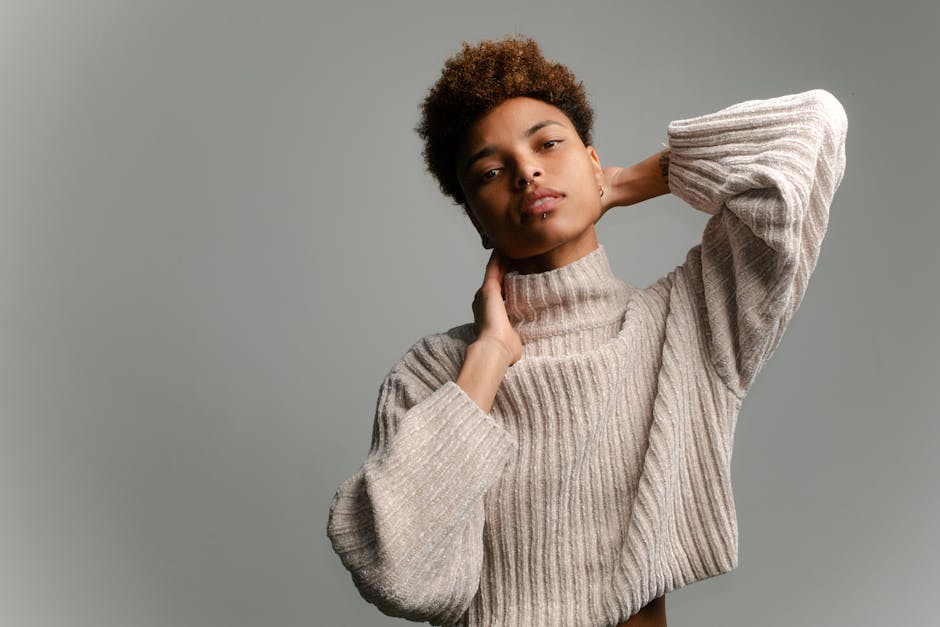
To truly judge a sweater, you have to turn it inside out. This is where the manufacturing shortcuts are revealed. Most mass-market sweaters are ‘cut and sew.’ This means the manufacturer knits a large, flat sheet of fabric, cuts out the shapes of sleeves and torsos like a cookie cutter, and then serges the edges together. You will see thick, bulky seams that look like the inside of a cheap t-shirt. This method is fast and cheap, but it creates weak points and prevents the sweater from draping naturally over the body’s contours.
Quality sweaters are fully fashioned. This means each component—the sleeve, the front panel, the back—is knit to the exact shape required on the machine. You can identify this by looking for ‘fashioning marks’ around the armholes and neckline. They look like tiny, deliberate dots or diagonal stitches where the knitting machine decreased the number of stitches to taper the fabric. This creates a much stronger seam and a superior fit. Furthermore, look at the ‘linking’ of the neck. A high-quality neck is linked stitch-by-stitch to the body of the sweater, whereas a cheap one is simply sewn on. A linked neck will stretch and recover; a sewn neck will eventually crack or sag.
Finally, consider the weight versus the density. A heavy sweater isn’t necessarily a better sweater, but a dense one is. Hold the fabric up to a light source. If you can see light clearly through the knit, the tension is loose. Loose tension is a trick used by manufacturers to save money on yarn, but it results in a garment that will lose its shape the moment it gets slightly damp or is hung on a chair. You want a tight, consistent knit pattern that feels substantial and ‘bouncy’ when you squeeze it.
Fit and Silhouette: How a Winter Sweater Should Actually Drape
The fit of a sweater is more complex than a shirt because the fabric is dynamic. A common mistake men make is buying a sweater that is too tight, thinking it looks ‘slim.’ However, wool needs a bit of air between the fabric and the skin to provide maximum insulation. If the sweater is stretched tight across your chest, those air pockets are compressed, and the garment actually becomes less warm. Furthermore, a tight sweater will show every ripple of your undershirt, which looks sloppy.
The shoulder seam should sit exactly where your arm meets your shoulder. If it droops down onto your bicep, the sweater is too large (unless it is a deliberate ‘drop-shoulder’ style). The sleeve length should end right at the base of your thumb, allowing for about a half-inch of shirt cuff to show if you are wearing a button-down underneath. As for the length of the body, the hem should hit roughly at the mid-point of your trouser fly. Any shorter and you’ll expose your midriff when you reach for something; any longer and it begins to look like a tunic, which ruins your body proportions.
Strategic Layering for Sub-Zero Temperatures
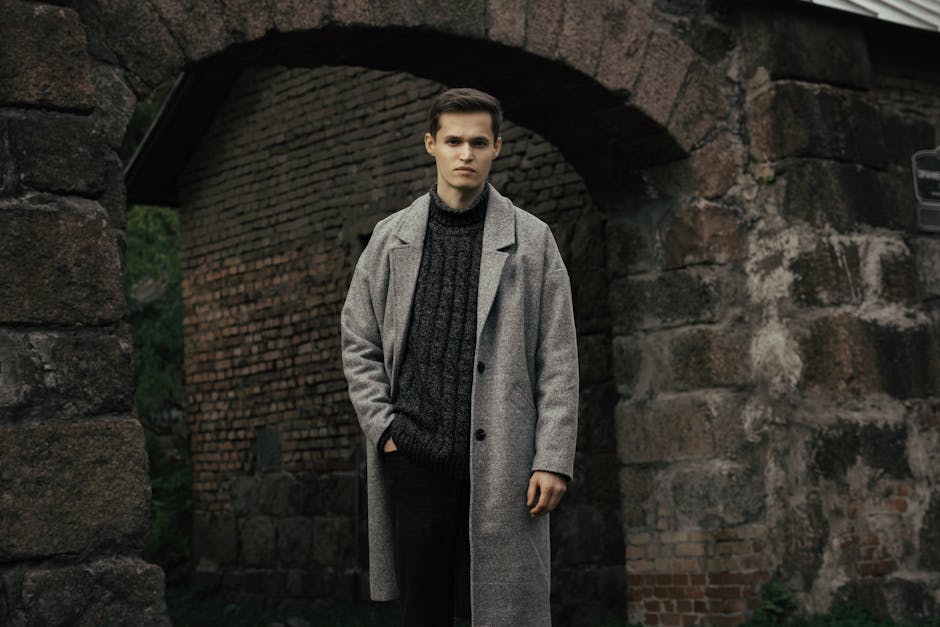
A sweater is rarely a standalone piece in the winter. To master the art of staying warm, you need to understand the ‘