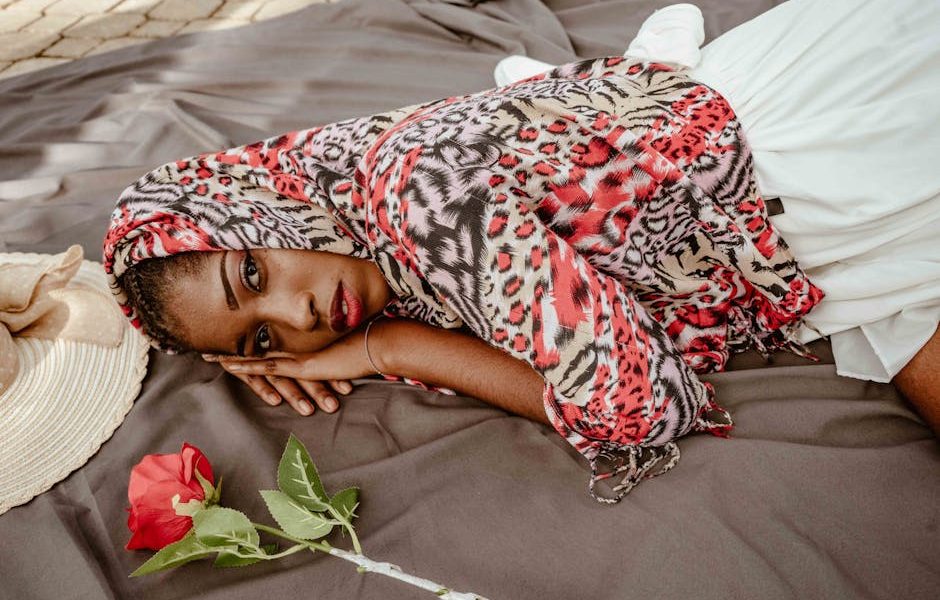
A single Hircus goat, roaming the freezing plateaus of Inner Mongolia, produces only about 150 grams of usable undercoat fiber per year. To put that in perspective, you would need to harvest the annual growth of three to four goats just to produce one standard-sized high-quality cashmere scarf. This scarcity is exactly why the market is flooded with varying degrees of quality that can be incredibly difficult to navigate from a smartphone screen. When you are shopping for the best scarf quality, you aren’t just buying a piece of fabric; you are investing in a specific protein structure designed by evolution to trap heat while remaining breathable.
Most people assume that a higher price tag automatically equates to a better product, but the reality of the textile industry is far more nuanced. You can find a $200 scarf that pills after three wears and a $60 vintage wool wrap that lasts three decades. The difference usually comes down to technical specifications that brands rarely advertise on the main product page. We need to look at micron counts, staple lengths, and the specific architecture of the weave to understand what actually constitutes a top-tier accessory.
Identifying High-Quality Scarf Materials Through Fiber Science
The foundation of any high-quality scarf is the raw material. While synthetic blends containing acrylic or polyester are common in fast fashion, they lack the thermoregulating properties of natural fibers. If you want the best scarf quality, you have to look at the micron count. A micron is one-millionth of a meter, and in the world of wool and cashmere, it is the ultimate arbiter of comfort. The lower the micron count, the finer the fiber, and the less likely it is to itch against the sensitive skin of your neck.
Human skin typically begins to feel a “prickle” sensation when fibers exceed 21 or 22 microns. This is why a standard “lambswool” scarf often feels scratchy—its fibers are usually in the 24-27 micron range. High-grade Merino wool sits between 17 and 19 microns, while top-tier cashmere must be under 16 microns to be considered “Grade A.” When you are researching a purchase, look for brands that specify their fiber source. If they don’t mention the grade, they are likely using shorter, thicker fibers that have been chemically softened to feel good in the store but will degrade rapidly once you start wearing them.
The Importance of Staple Length
Beyond fineness, you must consider staple length—the actual length of the individual hairs used to spin the yarn. Long-staple fibers (usually 35mm or longer for cashmere) are superior because they have more surface area to overlap with one another during the spinning process. This creates a stronger yarn that is significantly more resistant to pilling. Cheap scarves often use “shoddies” or short-staple fibers, which are essentially the leftovers from the milling process. These short hairs easily wiggle out of the yarn structure, forming those annoying little balls of fuzz after just a few hours of friction against your coat collar.
Cashmere vs Merino vs Alpaca: Material Performance Comparison

Choosing the best scarf quality often involves a trade-off between warmth, weight, and durability. Not every high-quality material serves the same purpose. For instance, while cashmere is the undisputed king of softness, it is notoriously delicate. If you are looking for a scarf to wear while commuting with a heavy backpack, cashmere might actually be a poor choice because the straps will abrade the fibers. In that scenario, a high-twist Merino or an Alpaca blend would offer better longevity.
| Material | Typical Micron Count | Key Benefit | Primary Downside |
|---|---|---|---|
| Grade A Cashmere | 14 – 15.5 | Unrivaled softness and heat retention | High price; prone to pilling |
| Extra Fine Merino | 17 – 19.5 | Excellent durability and elasticity | Slightly heavier than cashmere |
| Baby Alpaca | 20 – 22.5 | Hypoallergenic; contains no lanolin | Can feel “hairy” or fuzzy |
| Silk Blends | N/A | Adds luster and tensile strength | Reduces overall insulation |
Alpaca is an interesting outlier in the search for quality. Alpaca fibers are semi-hollow, which gives them a higher warmth-to-weight ratio than sheep’s wool. However, alpaca lacks the natural crimp of wool, meaning it doesn’t have much “bounce.” An alpaca scarf will drape beautifully and feel heavy in a luxurious way, but it won’t hold its shape as well as a ribbed Merino knit. If you live in a damp climate, Merino is often the superior choice because it can absorb up to 30% of its weight in moisture without feeling wet to the touch, whereas cashmere can become heavy and lose its loft when damp.
Technical Indicators of Luxury Scarf Construction
Once you’ve vetted the material, you have to look at how that material was put together. The most common sign of a low-quality scarf is a loose, airy weave that looks “fluffy.” While this feels soft initially, it is a red flag. Manufacturers often use a loose tension to save on yarn costs and then use a process called “fulling” to raise the nap and make the scarf look thicker than it actually is. A truly high-quality scarf will have a dense, consistent weave that feels substantial when you give it a gentle tug.
Check the edges, or the selvedges. On a high-end woven scarf, the edges should be clean and finished, not frayed or surging with cheap polyester thread. If the scarf has fringe, look at how the tassels are finished. Are they hand-rolled? Are they tightly twisted? Loose, messy fringe is a hallmark of mass production where speed was prioritized over structural integrity. Furthermore, pay attention to the “ply” of the yarn. A 2-ply yarn consists of two strands twisted together before weaving, which significantly increases the scarf’s ability to resist stretching and holes compared to a single-ply yarn.
A quick test for quality: Hold the scarf up to a bright light. A high-quality weave will show a consistent, tight grid. If you see irregular patches of light or thin spots, the yarn was unevenly spun, and those spots will eventually become holes.
Top-Tier Scarf Recommendations by Brand and Price Point
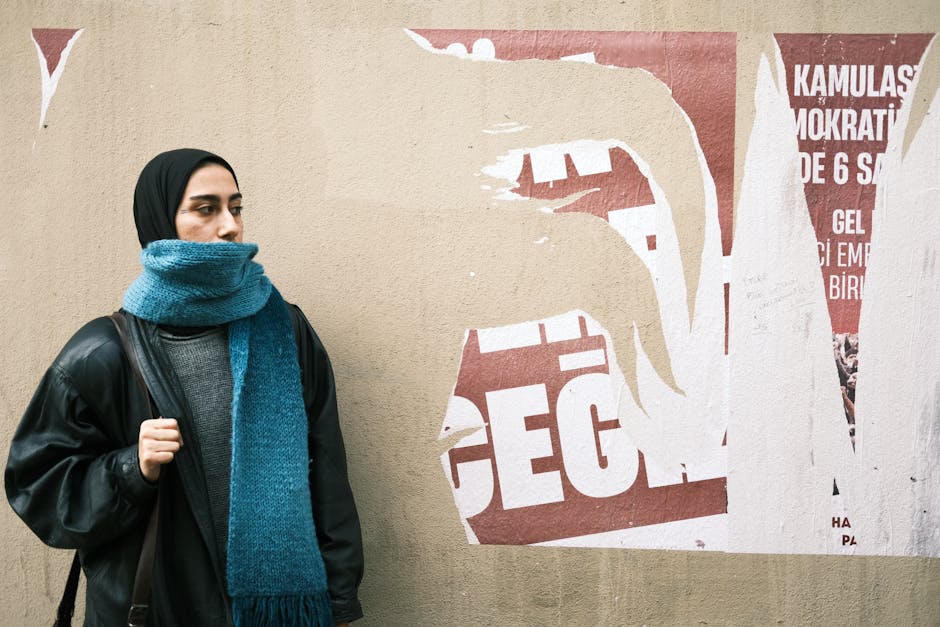
To help you narrow down your search, I have analyzed several prominent brands known for their commitment to material integrity. These recommendations range from entry-level luxury to “heritage” pieces that are designed to be passed down through generations. Note that prices are approximate and can fluctuate based on seasonal sales and specific dimensions.
Johnstons of Elgin Cashmere Scarf (~$250)
Johnstons of Elgin is one of the few remaining vertical mills in Scotland, meaning they control the process from raw fiber to finished garment. Their classic cashmere scarf is the industry benchmark for a reason. They use long-staple Mongolian cashmere and soft Scottish water to finish the fabric, resulting in a ripple-finish texture that is incredibly difficult to replicate.
- Pro: Exceptional durability for cashmere; vertical integration ensures ethical sourcing.
- Con: The classic 12-inch width can feel a bit narrow for those used to oversized styles.
Joshua Ellis 70/30 Ripple Finish (~$180)
If pure cashmere is out of your budget, this blend of 70% wool and 30% cashmere from Joshua Ellis offers a similar aesthetic to high-end cashmere but with the structural rigidity of wool. The “ripple” finish is achieved using natural teasels (a type of dried flower head) to gently brush the fabric, creating a lustrous, wave-like surface.
- Pro: Much more resistant to pilling than 100% cashmere.
- Con: Slightly less soft against the skin than pure cashmere.
Uniqlo 100% Cashmere Scarf (~$50)
This is the entry-level option for those who want the label of cashmere without the investment. While it is technically 100% cashmere, the quality is noticeably different from the heritage mills. The fibers are shorter, and the weave is significantly looser. However, for the price, it is a functional piece that provides decent warmth.
- Pro: Inexpensive; widely available in many colors.
- Con: Will pill almost immediately; lacks the “heft” of higher-end options.
Loro Piana The Soffio Scarf (~$700)
Loro Piana is the peak of the pyramid. They often use “Baby Cashmere,” which is harvested from the first combing of a kid goat. The fibers are incredibly fine (roughly 13.5 microns). The Soffio is a blend of cashmere and silk, making it light enough for transitional seasons while remaining exceptionally warm.
- Pro: The softest material commercially available; incredible drape.
Why Some Expensive Scarves Pill and How to Prevent It
It is a frustrating paradox: you spend $300 on a scarf, and within a month, it looks like it’s covered in lint. Does this mean you bought a low-quality product? Not necessarily. In fact, some of the softest scarves are the most prone to pilling because the fibers are so fine and the twist is kept low to maintain that “buttery” feel. Friction is the enemy of the scarf. When the scarf rubs against your beard stubble, a rough coat lining, or even your seatbelt, the ends of the fibers get pulled out and tangle together.
To minimize this, you should look for “worsted” wool or cashmere if you prioritize a clean look over maximum fluffiness. Worsted yarns are combed to remove short fibers and then twisted more tightly, creating a smoother surface that is far less likely to pill. If you do notice pilling, do not pull the balls off with your fingers, as this just pulls more fiber out of the yarn core and makes the problem worse. Instead, use a dedicated cashmere comb or a motorized fabric shaver to cleanly cut the pill away from the surface. A high-quality scarf can handle this maintenance several times a season without losing its integrity.
Another factor in pilling is the “rest” period. Just like high-quality leather shoes, a natural fiber scarf needs time to recover its shape. If you wear the same cashmere scarf every single day in freezing humidity, the fibers will stay stretched and damp, leading to faster degradation. Rotating between two scarves allows the fibers to dry out and the natural elasticity of the wool or cashmere to pull the structure back together.
Professional Maintenance Strategies for High-End Natural Fibers

The fastest way to ruin the best scarf quality is improper cleaning. Most people assume dry cleaning is the safest route, but the harsh chemicals used in the process (like perchloroethylene) can actually strip the natural oils from wool and cashmere, leaving them brittle and scratchy over time. Unless the scarf has a complex structural lining or intricate embroidery, hand washing is almost always the better option for maintaining the life of the fiber.
- Use Lukewarm Water: Never use hot water, which can cause the scales on the wool fibers to lock together, resulting in “felting” (where the scarf shrinks and becomes a stiff mat).
- Choose the Right Detergent: Use a pH-neutral wool wash or even a gentle baby shampoo. Avoid standard laundry detergents, which are too alkaline and will damage protein fibers.
- Never Wring: To remove excess water, lay the scarf flat on a clean towel and roll it up like a sleeping bag, pressing down firmly. This absorbs the moisture without stretching the weave.
- Dry Flat: Reshape the scarf while damp and lay it on a drying rack. Never hang a wet scarf, as the weight of the water will permanently distort the length.
Storage is the final piece of the quality puzzle. Moths are attracted to the proteins in natural fibers, especially if there are traces of skin oils or food particles left on the fabric. At the end of the season, always wash your scarves before storing them. Use breathable cotton garment bags rather than plastic bins, which can trap moisture and lead to mildew. If you want to be extra cautious, a few cedar blocks or lavender sachets can act as a natural deterrent, but the most important thing is ensuring the garment is clean before it goes into the closet for the summer. By following these steps, a truly high-quality scarf can easily last twenty years or more, making that initial high price tag a much better value over the long term.