

A single pair of high-quality bench-made loafers requires approximately 200 individual operations to complete, a process that can span eight weeks from the initial clicking of the leather to the final polishing. While mass-market footwear relies on adhesives and synthetic fillers, the upper echelon of the loafer world utilizes structural integrity derived from stitching and natural cork. The loafer, once dismissed as a mere house shoe or a casual weekend option, has evolved into the most versatile tool in a modern wardrobe. It occupies the precise middle ground between the rigid formality of an Oxford and the informality of a sneaker. Choosing the right pair involves navigating a landscape of construction techniques, leather grades, and last shapes that dictate how the shoe will age over a decade of wear.
Understanding Loafer Construction Methods: Goodyear Welt vs. Blake Stitch
Before selecting a specific brand, one must understand the architecture beneath the foot. The longevity of a loafer is almost entirely dependent on how the upper is attached to the sole. The most prestigious method remains the Goodyear welt. This involves a strip of leather (the welt) being stitched to both the upper and the insole, while a separate stitch attaches the welt to the outsole. This creates a cavity filled with granulated cork that eventually molds to the unique shape of your foot. It also allows for multiple resolings, extending the life of the shoe to twenty years or more if properly maintained.
Conversely, the Blake stitch involves a single row of stitching that connects the insole, upper, and outsole directly. This method is favored by Italian makers like Gucci because it allows for a slimmer, more flexible profile. While a Blake-stitched shoe is more comfortable out of the box, it lacks the water resistance of a Goodyear welt and is more difficult—though not impossible—to resole. Then there is the genuine moccasin construction, where the leather wraps entirely under the foot, creating a glove-like fit. This is the hallmark of the American penny loafer style, emphasizing comfort over structural rigidity.
Selecting the right construction depends on your environment. If you spend your days walking on wet city pavement, the Goodyear welt’s weather resistance is indispensable. If you are frequently in climate-controlled offices or driving, the flexibility of a Blake stitch or a moccasin construction provides superior comfort. The trade-off is always between immediate softness and long-term durability. A heavy welted shoe may feel like a wooden plank for the first five wears, but it will eventually become the most comfortable item you own.
Best Penny Loafers for Professional and Formal Environments
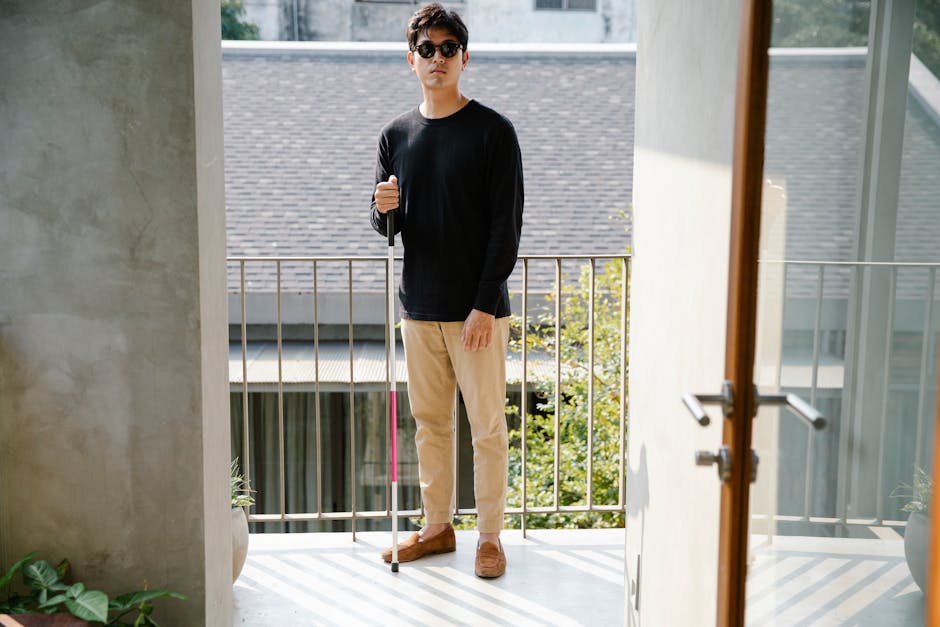
The penny loafer is the foundational element of the category. Characterized by a leather strap across the vamp with a small slit, it transitioned from 1930s campus wear to the boardroom. For professional settings, the silhouette must be refined, often featuring a slightly elongated toe and a higher-grade calfskin.
1. Alden 986 Leisure Handsewn (~$850)
Widely considered the gold standard of American loafers, the Alden 986 is crafted from Horween Shell Cordovan. This leather is derived from the flat muscle under the hide of a horse’s rump, making it exceptionally dense and non-porous. Unlike calfskin, shell cordovan does not crease; it ripples. This model uses the Van last, which is known for its roomy toe box and slightly lower instep.
- Pro: Extraordinary durability; shell cordovan develops a unique patina that improves with decades of use.
- Con: The break-in period is notoriously difficult due to the stiffness of the leather.
2. Edward Green Piccadilly (~$1,250)
If the Alden represents American ruggedness, the Edward Green Piccadilly represents British precision. It is built on the 184 last, offering a slim, elegant profile that pairs perfectly with charcoal or navy suits. The leather is hand-burnished, giving it a depth of color that cheaper alternatives cannot replicate.
- Pro: Impeccable finishing and a refined silhouette that works with formal tailoring.
- Con: The price point is prohibitive for many, making it a true luxury investment.
3. Grant Stone Traveler Penny (~$312)
Grant Stone has gained a reputation for offering construction quality that rivals brands twice its price. The Traveler Penny uses a Goodyear welt and high-quality French calfskin. The last is slightly more casual than the Edward Green but more refined than a standard beefroll loafer.
- Pro: Exceptional value-to-quality ratio; uses vegetable-tanned insoles and cork filler.
- Con: Limited physical retail presence makes sizing a trial-and-error process via shipping.
4. Meermin Mallorca 101484 (~$195)
For those entering the world of high-quality footwear, Meermin offers a Goodyear-welted penny loafer at an aggressive price point. They utilize leathers from reputable tanneries like Du Puy. The style is classic, and the construction is solid.
- Pro: Most affordable entry into genuine Goodyear-welted footwear.
- Con: The leather is initially very stiff, and the break-in can be painful.
Top Tassel and Horsebit Loafers for Expressive Styling
While the penny loafer is understated, tassel and bit loafers allow for more personality. The tassel loafer, popularized by Alden in the late 1940s, was once the “lawyer’s shoe” but has since become a staple of smart-casual style. The horsebit loafer, famously introduced by Gucci in 1953, adds a touch of metallic hardware that breaks up the monotony of leather.
5. Crockett & Jones Cavendish (~$625)
The Cavendish is arguably the most famous tassel loafer in production. Built on the 325 last, it features a rounded toe and a slightly chunky profile that works equally well with flannel trousers or denim. It is Goodyear welted and often available in dark brown burnished calf or snuff suede.
- Pro: Perfect proportions; the tassels are securely fastened and don’t “flop” excessively.
- Con: The 325 last can be wide in the heel for some foot shapes.
6. Gucci Horsebit Loafer 1953 (~$920)
This is the definitive bit loafer. It features a slim Blake-stitched sole and the iconic brass hardware. It is lighter and more flexible than almost any other shoe on this list. It is a statement piece that has remained relevant for over 70 years.
- Pro: Instant comfort and iconic status; works exceptionally well for sockless summer wear.
- Con: The thin sole wears down quickly if used for heavy walking.
7. Carmina Shoemaker 80191 Tassel Loafer (~$450)
Based in Mallorca, Carmina offers a more aggressive, chiseled look. Their tassel loafers often feature a tighter waist and a more dramatic taper toward the toe. They use a Goodyear welt but manage to keep the profile surprisingly slim.
- Pro: Beautifully lasted with a focus on elegant, Mediterranean styling.
- Con: The UETAM last is quite narrow; those with wider feet will struggle.
Comparing Loafer Materials: Shell Cordovan, Calfskin, and Suede Performance

The material of your loafer dictates its formality and its maintenance requirements. Calfskin is the standard. It is supple, takes a high shine, and is appropriate for the most formal settings. However, it is prone to scuffing and requires regular conditioning to prevent the fibers from drying out and cracking.
Suede offers a texture that calfskin lacks. It is inherently more casual and pairs excellently with textures like tweed, linen, or denim. A common misconception is that suede is fragile. In reality, high-quality “roughout” or treated suedes are quite resilient. A simple brass brush and a steam treatment can remove most stains. Suede loafers, like the snuff suede variants from Alden or Crockett & Jones, provide a soft, matte finish that lowers the visual “volume” of an outfit.
Shell Cordovan, as mentioned with the Alden 986, is the king of leathers for those who value longevity. Because it is a membrane rather than a hide, it does not have pores. This makes it naturally water-resistant. It requires very little maintenance—mostly just vigorous brushing with a horsehair brush to bring the oils to the surface. However, it is expensive and lacks the breathability of calfskin, which can make it feel warm in mid-summer.
| Material | Durability | Formality | Maintenance Level | Best Use Case |
|---|---|---|---|---|
| Calfskin | High | High | Moderate | Business/Formal |
| Shell Cordovan | Extreme | Moderate-High | Low | Investment/All-Weather |
| Suede | Moderate | Low-Moderate | Specific | Casual/Spring-Summer |
| Corrected Grain | Low | Low | Minimal | Budget/Entry-Level |
Best Casual and Driving Loafers for Versatile Weekend Wear
Not every loafer needs to be a structural marvel intended for a twenty-year lifespan. Sometimes, the requirement is pure comfort and ease of use. Casual loafers often feature softer constructions and rubber soles, making them ideal for travel or weekend errands.
8. G.H. Bass Weejuns Larson (~$110)
The original penny loafer. While the modern version uses corrected-grain leather (which has a plastic-like coating), the Larson remains a classic silhouette. It is a moccasin construction with a leather sole. It is the shoe that defined the Ivy League look.
- Pro: Historical authenticity and a very accessible price point.
- Con: The leather is stiff and does not develop a natural patina; it tends to crack over time.
9. Tod’s Gommino Driving Shoe (~$645)
The Gommino is characterized by the 133 rubber pebbles (gommini) on the sole. It is designed for driving, providing grip on the pedals while remaining incredibly light. It is essentially a leather slipper intended for outdoor use.
- Pro: Unmatched flexibility and a wide array of vibrant suede colors.
- Con: The pebbles wear down quickly on asphalt; these are not walking shoes.
10. Rancourt & Co. Beefroll Penny Loafer (~$315)
Made in Maine, Rancourt specializes in genuine handsewn moccasin construction. The “beefroll” refers to the heavy stitching on the ends of the penny strap, which resembles tied meat. These are rugged, comfortable, and quintessential Americana.
- Pro: Extremely comfortable from day one; can be easily refurbished by the manufacturer.
- Con: Very casual aesthetic; difficult to dress up with a sharp suit.
Fitting and Longevity: How to Size Loafers and Maintain Leather
Fitting a loafer is more difficult than fitting a lace-up shoe. Because there are no laces to tighten the upper around your foot, the fit must be precise from the start. A common mistake is buying loafers that feel comfortable in the store but become loose after the leather stretches. Ideally, a new loafer should be “snug but not painful.” You should feel a slight grip on your heel, and there should be no significant slipping when you walk. If your heel pops out easily when new, the shoe will be unwearable once broken in.
Longevity is a function of rotation and care. You must never wear the same pair of leather loafers two days in a row. Leather absorbs nearly a quarter-cup of moisture from your feet daily. Giving the shoes 24 hours to dry on cedar shoe trees is non-negotiable. The cedar absorbs moisture and helps the leather retain its shape, preventing the “curled toe” look that plagues neglected footwear.
Using a shoehorn is mandatory for loafers. Because you are forcing your heel into a static opening, you will eventually collapse the heel counter if you don’t use a horn. Once the heel counter is crushed, the shoe loses its structural integrity and its ability to stay on your foot.
Finally, consider the sole. If you find yourself wearing your leather-soled loafers in wet conditions, have a cobbler install a thin rubber “Topy” or half-sole. This provides grip and protects the leather stitching from abrasion. It is a $30 investment that can double the time between full resolings. By paying attention to these technical nuances—the construction, the material, and the maintenance—you transform a simple purchase into a long-term addition to your personal style architecture.
The selection of a loafer is a balance of trade-offs. Whether you prioritize the indestructible nature of Alden’s shell cordovan or the lightweight elegance of a Gucci horsebit, the key is understanding the intent of the shoe. A well-chosen loafer shouldn’t just fit your foot; it should fit your lifestyle, your climate, and your willingness to maintain it. In a world of disposable fashion, a bench-made loafer remains one of the few items that actually improves with age.