The UK plus size market has genuinely improved over the last five years. But improved doesn’t mean solved — and the gap between brands that treat a size 18 as a token afterthought and those that actually design for it is still very real. If you’ve ever ordered a size 22 online only to find the waist sits somewhere near your ribs, you already know exactly what that gap looks like in practice.
The short answer upfront: ASOS Curve, Simply Be, and Evans are the three most reliable options for consistent sizing and genuine range. For budget pieces under £25, Yours Clothing covers sizes up to a 40, which is genuinely rare in the UK market. For quality investment pieces, Marks & Spencer’s plus range — stopping at a 24 — is worth every extra pound when fit matters most.
The Main UK Plus Size Retailers Compared Side by Side
There are a lot of options out there. Most are not equal. The table below covers the major UK-accessible retailers as of 2026 — size ranges, price brackets, and what they’re actually good for versus where they fall short.
| Brand | Size Range | Price Range (dresses) | Best For | Biggest Weakness |
|---|---|---|---|---|
| ASOS Curve | 18–30 | £20–£75 | Trend pieces, occasion wear, variety | Inconsistent sizing across stocked brands |
| Simply Be | 12–32 | £25–£65 | Jeans, workwear, everyday basics | Styling can skew older for some shoppers |
| Evans | 14–32 | £30–£80 | Occasion dresses, blazers, smart-casual | Limited stock in larger sizes in physical stores |
| Yours Clothing | 14–40 | £15–£45 | Budget basics, widest UK size range | Fabric quality varies significantly by item |
| River Island Plus | 16–28 | £30–£65 | High street trends, going-out looks | Range is far smaller than their regular line |
| New Look Curves | 12–26 | £15–£45 | Affordable everyday, casual wear | Stops at a 26 — not truly extended sizing |
| Marks & Spencer | 8–24 | £35–£90 | Quality basics, work attire, lasting pieces | Range stops at 24, limited trendy options |
| boohoo Plus | 16–28 | £8–£30 | Very cheap trend pieces, one-season items | Thin fabric, sizing consistently runs small |
The verdict isn’t complicated. For a full wardrobe across multiple categories, Simply Be and ASOS Curve are the most practical starting points. Evans is worth bookmarking specifically for workwear and special occasions. Avoid relying on boohoo Plus for anything you need to wear more than a handful of times — the fabric quality simply doesn’t hold up.
What “Plus Size Range” Actually Means at Each Retailer
Most mainstream UK high street brands — think H&M, Zara, and similar — stock up to a size 20 and call it inclusive. That covers a large portion of the population but excludes anyone needing a 22 and above. Genuine extended-size retailers start at a 14 or 16 and go to at least a 28 to 30.
Yours Clothing reaching a 40 is genuinely unusual in the UK market. For shoppers who’ve been locked out of most other retailers, that matters more than any style consideration.
Online vs. In-Store Reality
Evans has physical stores but carries a fraction of its online range in-store. Simply Be is online-first. ASOS is entirely online. For a genuine browsing experience in a physical space, your options in the UK are narrower than they should be — which is a gap in the market that hasn’t been meaningfully filled as of 2026. Factor in return costs when ordering anything you’re unsure about fit-wise, particularly from online-only retailers.
Why UK Plus Size Sizing Is Still Chaotic — And How to Navigate It
This is where most people get burned. UK clothing sizing has never been standardised, and the plus size segment is messier than the rest. A size 20 at Evans will not be the same as a size 20 at ASOS Curve, which won’t be the same as a size 20 at boohoo.
The root of it: there’s no legal or industry-wide requirement for UK brands to follow a consistent sizing standard. Brands set their own measurements, and many use an approach where the same physical garment gets labelled differently to make the number feel smaller. The result is that a woman who consistently wears a 22 in one brand might be a 20 in another and a 24 in a third. This isn’t a personal fit issue — it’s a structural one baked into how the industry operates.
What this means practically: buying based on your usual number is unreliable. The only consistent approach is using the centimetre measurements on a brand’s size guide — bust, waist, hip — and comparing those directly to the chart before ordering. Every major retailer has a size guide. Most buyers skip it. That skip is the single biggest cause of returns and frustration in online plus size shopping.
The Measurement Method That Actually Works
Get a soft tape measure. Measure your bust at the fullest point, your natural waist at the narrowest point (typically above the belly button, not where your jeans sit), and your hips at the fullest point, usually around 8 inches below the waist. Write these three numbers down once. Use them every single time you shop from a brand you haven’t tried before.
Simply Be publishes detailed centimetre measurements for every size. ASOS Curve does the same, and their size guides are updated regularly. Evans is reliable on this too. Where you’ll run into trouble is smaller boutiques or third-party brands stocked on marketplaces — always check before ordering, and read recent customer reviews specifically for comments on fit rather than general satisfaction.
Petite Plus, Tall Plus, and Proportional Fit Issues
The sizing problem compounds when you’re not a standard UK height. Most plus size garments are cut for a 5’4″ to 5’6″ frame. If you’re 5’1″ or 5’10”, the proportion issues are significant and separate from the size number entirely.
Simply Be has a dedicated petite range up to a size 32 and a tall range that reaches similar sizes. ASOS Curve offers petite, tall, and regular options across most of its styles. This is genuinely useful and underused — shoppers who default to ordering a standard length and then wonder why the midi skirt hits at the knee rather than mid-calf are usually dealing with a height proportioning issue, not a size issue.
Style Choices That Make the Biggest Practical Difference
This isn’t about hiding anything. It’s about understanding which garment cuts actually fit well given how plus size clothing is typically constructed — and where the cut creates problems before you’ve even put it on.
- Wrap silhouettes work across almost every body shape. A wrap dress or wrap-style top adjusts to the body rather than being cut to a fixed measurement. The ASOS Curve wrap midi dresses (around £35–£45) are consistently reviewed as standout everyday pieces in their range. The Simply Be jersey wrap dress (£28–£38) is a comparable, more affordable alternative that holds its shape well after washing.
- Wide-leg trousers are more forgiving than slim cuts through the thigh. Simply Be’s wide-leg linen trousers (approximately £35) and Evans’ crepe wide-leg trousers (around £40) both review well for comfort and proportion, particularly for office and smart-casual wear.
- Stretchy waistbands are not a compromise. Elasticated or stretch waistbands in quality ponte or structured jersey offer a better actual fit than a fixed zip at the hip — because they fit the body as it is, not as a standardised measurement assumes it to be. Yours Clothing’s pull-on trousers and New Look Curves’ jersey straight-legs use this well.
- Maxi lengths solve the proportion problem that midi often creates. For anyone with fuller hips and thighs, a midi length hitting mid-calf can appear shorter and wider than intended due to where the eye is drawn. A full maxi skirts this issue entirely and tends to elongate rather than interrupt.
- A structured blazer changes the silhouette of almost anything worn underneath. Evans’ tailored blazers (starting around £55) are cut for fuller bust and shoulder width — not simply scaled up from a size 12 — which makes a visible difference in how the garment sits.
- Avoid very stiff fabrics in close-fitting cuts. Standard denim and brocade have minimal give. If a garment’s cut is close to the body and the fabric doesn’t stretch, fit problems are almost guaranteed. Stretchy denim with 2–3% elastane, ponte fabric, and jersey all perform significantly better for comfort and wearability across a full day.
Where to Spend More and Where to Save
Spend on outerwear, jeans, and workwear. These are the items worn most often, subject to the most physical stress, and where quality fabric makes a visible difference after six months. An Evans or M&S blazer at £60–£80 will outlast three boohoo versions bought at £20 each — by a wide margin.
Save on trend pieces, occasionwear for single events, and seasonal items. ASOS Curve and New Look Curves are the right tools here — not because quality is poor, but because the cost-per-wear calculation works differently for a dress bought in April and retired in September.
Five Mistakes That Make Plus Size Shopping Much Harder Than It Needs to Be
Ordering based on your usual size number instead of the measurement chart
Already covered above — but worth restating as a standalone point because this single habit accounts for the majority of fit-related returns in online plus size shopping. Every new brand, every time: check the centimetre chart against your actual measurements before placing the order.
Assuming the most expensive option will fit best
Price and fit quality don’t correlate in plus size fashion the way they might in other categories. M&S offers excellent quality but its plus range stops at a 24. A £90 M&S dress that doesn’t fit is a worse outcome than a £35 ASOS Curve dress that does. Know your size range requirements before deciding where to spend.
Buying from brands that carry plus as a token extension
River Island Plus, H&M Curve, and Zara’s limited extended sizing exist more as marketing positioning than genuine product investment. The selection is narrow, size increments are inconsistent, and the cut is usually a straight scale-up from a smaller size rather than a proportional re-pattern. This matters because a size 22 body doesn’t have the same proportions as a size 12 scaled up by 40% — the shoulders, bust-to-waist ratio, and hip drop all shift in ways that require genuine pattern adjustment to fit correctly. Most fast fashion brands don’t make that adjustment.
Ignoring return policies before ordering
Online plus size shopping typically involves more returns than shopping in standard sizes, simply because fit is harder to predict across brands. ASOS offers free returns. Simply Be has a reasonable processing window. boohoo’s returns process has drawn consistent complaints about timing and refund speed. Check this before committing to any order, particularly for occasion wear with a fixed deadline attached.
Writing off an entire brand after one bad-fitting item
Sizing varies by product category within the same brand. Evans’ jersey dresses might fit well while their structured blazers run narrow in the shoulder. ASOS Curve’s own-brand pieces might size differently from the third-party labels stocked in the same Curve section. One poor fit is data about one garment type, not the brand overall. Adjust which categories you order, not whether you order.
When the High Street Isn’t Enough: Specialist Plus Size Retailers
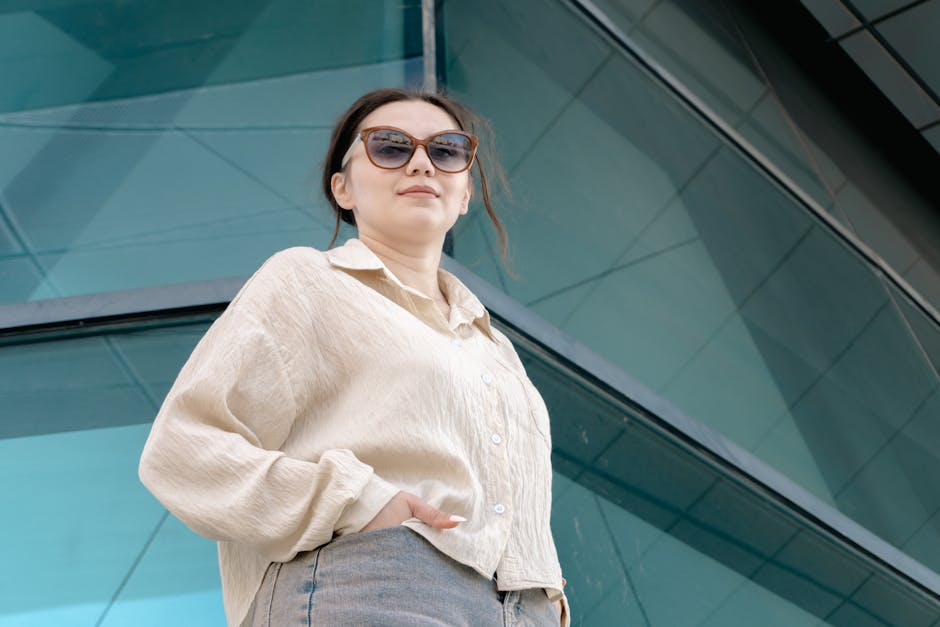
For sizes above a 28, or for anyone who wants clothes actually designed for a plus size body rather than scaled up from a smaller cut, the specialist retailers are worth knowing.
Yours Clothing reaching a size 40 is the most accessible entry point for extended sizing in the UK. City Chic — sizes 14 to 24, ships to the UK, prices from around £40 to £120 — offers a more fashion-forward take than most UK retailers, with a focus on occasion wear and structured day pieces. The fit on their dresses in particular is consistently better proportioned than comparable high street options.
Navabi stocks a curated selection of designer and premium plus size labels from European brands. Prices run higher (£80–£300+), but the fit quality and construction reflect that. For a special occasion where getting the fit right matters more than the price, it’s worth a look.
Universal Standard, a US brand that ships to the UK, has built a strong reputation for genuinely proportional sizing across a 00 to 40 range. Their fit runs more relaxed and longer in the torso than UK brands — but for quality basics like t-shirts, trousers, and denim, the construction is among the best available at any size point currently shipping to the UK market.
For workwear specifically, Simply Be’s tailoring range is consistently underrated. Their ponte suit trousers (around £35–£45) and structured blazers hold up better than their price point would suggest, run to a size 32 in most pieces, and are cut to account for fuller hips and thighs in a way that mainstream workwear brands rarely bother with.
Mainstream high street brands are useful for affordable, trend-led pieces. For anything where fit precision or longevity matters — workwear, occasion dresses, outerwear — a specialist retailer consistently delivers a better result.