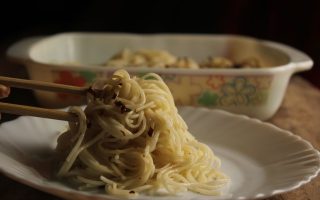
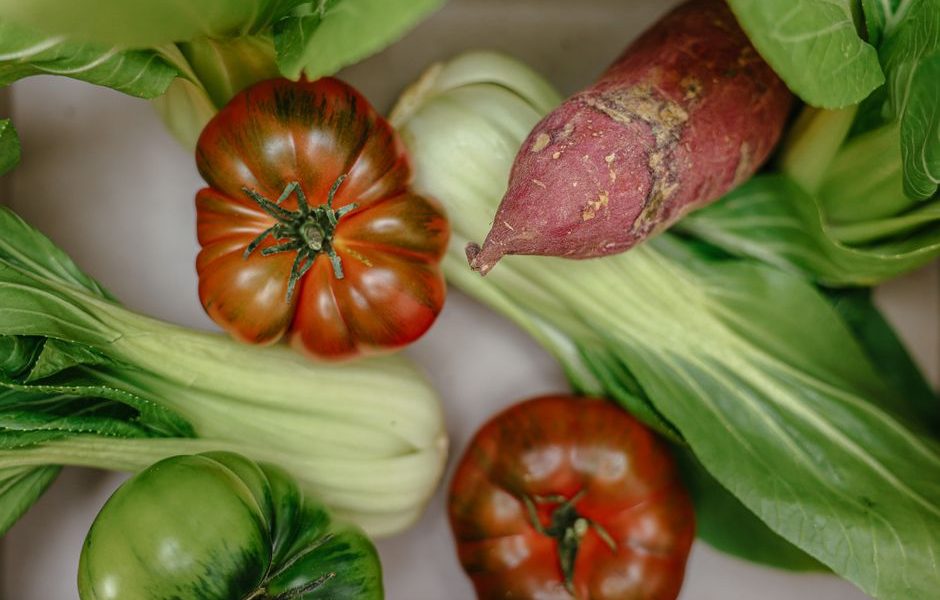
That explains the familiar family-table problem: dinner looks generous before cooking, then four hungry people are left negotiating over the last potato.
The fix is not simply adding more oil. You need vegetables cut to similar sizes, enough space for browning, and a seasoning plan that balances earthy roots with salt, acid, and fresh herbs. This guide treats roasted roots as a practical meal base rather than a side dish that appears by accident.
This is not legal advice — consult a licensed attorney.
Which Root Vegetables Roast Well Together?
The best combinations share a cooking time and a texture goal. Carrots, parsnips, sweet potatoes, and red onions can usually roast together because they soften within a similar window at high heat. White potatoes and beets need closer attention: potatoes often require larger pieces or extra time, while beets can stain other vegetables and take longer to become tender.
Match vegetables by density, not color
Cut dense vegetables into smaller pieces than quick-cooking vegetables. A 1-inch potato cube may need 35 to 45 minutes, while a thin carrot wedge can brown in about 25 minutes. If you place both on the same pan at the same time, the carrot may darken before the potato reaches a creamy center. Start the potatoes and beets first, then add carrots, parsnips, or onions after 10 to 15 minutes. This staggered method produces a better result than lowering the oven temperature for the entire tray.
Build a tray that works for children and adults
Family-friendly roasting depends on giving people a choice of textures. Include one familiar item, such as potato or carrot, beside one stronger flavor, such as turnip, beet, or parsnip. Keep the pieces large enough to pick up with a fork but small enough to cook through. For four people, plan on 2 to 2.5 pounds of trimmed vegetables, about 6 tablespoons of oil, and 1.5 teaspoons of kosher salt. Add pepper, garlic, cumin, or smoked paprika after considering the vegetables themselves. Sweet potato needs less added sweetness; turnip benefits from more salt and acid.
Use color as a practical serving tool
Orange carrots, pale parsnips, red onion, and green herbs make the platter look abundant without extra ingredients. Keep beets on a separate small pan if you want the other vegetables to stay bright. My clear combination for a mixed family is Yukon Gold potatoes, carrots, parsnips, and red onion because it gives a creamy bite, crisp edges, mild sweetness, and enough savory flavor to support a simple sauce.
How Long Should Root Vegetables Roast at 425°F?
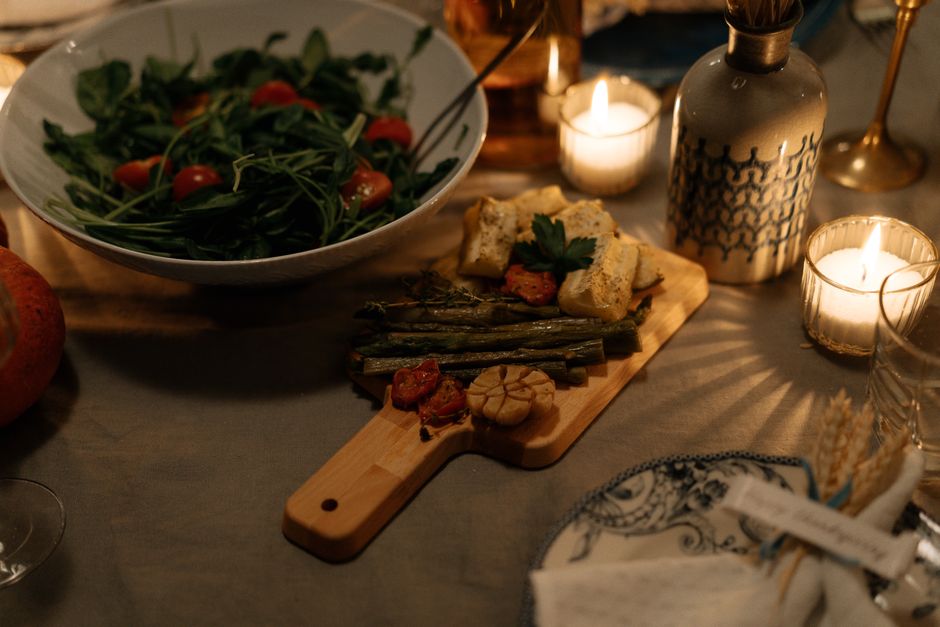
At 425°F, roasting time depends on the cut size, pan crowding, and water content. The times below assume dry vegetables cut into pieces between 1 and 1.5 inches and arranged in one layer.
| Vegetable | Cut | Typical time | Doneness test |
|---|---|---|---|
| Carrots | 1-inch chunks or wedges | 25–35 minutes | Fork enters easily; edges are browned |
| Parsnips | 1-inch wedges | 25–35 minutes | Centers are tender and tips are caramelized |
| Sweet potatoes | 1-inch cubes | 30–40 minutes | Surface is browned; center is soft |
| Yukon Gold potatoes | 1-inch cubes | 35–45 minutes | Knife slides through the center |
| Beets | 1-inch cubes | 40–55 minutes | Fork meets little resistance |
| Red onion | Thick wedges | 25–30 minutes | Layers are soft with darkened edges |
Use the timetable as a sequence
Do not treat every row as permission to roast every vegetable for the same length of time. Put potatoes and beets in first, set a timer for 12 minutes, then add carrots, parsnips, and onions. Turn the vegetables once halfway through the cooking window. If a fork meets resistance, give the tray another 5 minutes rather than raising the heat and risking burnt edges.
Make crisp edges the default
Dry the vegetables after washing, coat them lightly, and leave at least half an inch between pieces. A crowded pan traps steam. Steam softens the surface, which is why a full tray can taste cooked but never roasted. Two standard half-sheet pans work better than one overloaded pan for six servings. For a family meal, the best verdict is simple: use two pans when the vegetables touch before cooking.
What Is the Best One-Tray Formula for a Family Table?
My clear recommendation is one tray of roasted roots, one cool or creamy sauce, and one sharp fresh contrast. Start with 2 pounds of mixed vegetables, toss them with 2 tablespoons of olive oil, 1.5 teaspoons of kosher salt, black pepper, and a spice that matches the meal, then roast at 425°F until the largest piece is tender; this formula solves the basic problem of a dry, sweet, one-note side because the browned vegetables bring depth while the sauce adds moisture.
Choose the base
For a mild family plate, combine potatoes, carrots, and parsnips; for a more filling dish, add a cup of drained chickpeas during the final 15 minutes so they warm and crisp without drying out. A lemon-garlic yogurt sauce works with mild roots, while tahini mixed with lemon juice and water gives a nutty finish for a dairy-free meal.
Finish with contrast
Add chopped parsley, dill, or cilantro after roasting rather than before it, and use a spoonful of lemon juice, cider vinegar, or grain mustard to cut the vegetables’ sweetness; the strongest version for most family tables is roasted potatoes, carrots, and onions with lemony yogurt, toasted seeds, and a simple green salad served beside it.
Serve the tray in the center of the table instead of portioning it out in the kitchen. People can choose familiar pieces, test a new vegetable, and add sauce according to taste, which turns one adaptable dish into a meal that feels less like a compromise.
Why Do Roasted Root Vegetables Turn Soggy, Bitter, or Bland?
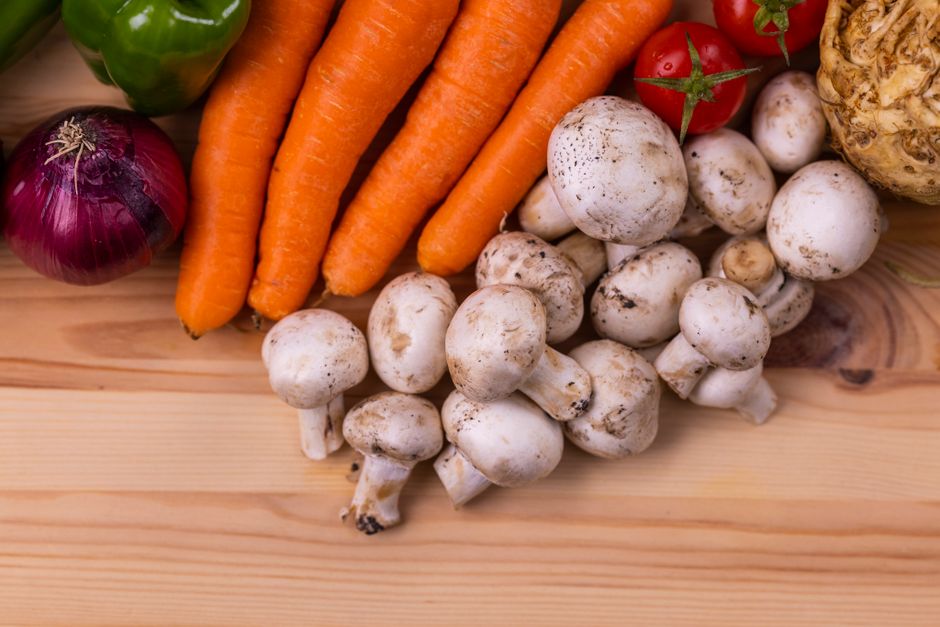
Most disappointing trays fail for a small number of repeatable reasons. The vegetables are rarely the real problem. The method usually needs one correction.
The five mistakes that change the result
- Overcrowding: When pieces sit shoulder to shoulder, their moisture has nowhere to escape. Divide the vegetables between two pans.
- Uneven cuts: A large potato beside a thin carrot creates two cooking times. Cut dense vegetables smaller or stagger the additions.
- Wet surfaces: Water left from washing turns into steam before browning begins. Dry the vegetables thoroughly with a clean towel.
- Too little salt: Root vegetables need enough seasoning to balance their natural sweetness. Add salt before roasting, then taste again after cooking.
- Delicate ingredients added too early: Fresh herbs, lemon zest, and minced garlic can burn during a long roast. Add them in the final minutes or after the pan comes out.
When roasting is the wrong choice
Do not roast when you need dinner in 15 minutes, when the oven would overheat a small kitchen, or when the vegetables are already soft from prolonged storage. A covered stovetop braise is faster for older roots, and a soup uses misshapen or bruised pieces more efficiently. Roasting wins when you want concentrated flavor and browned edges; it is not the best tool for speed, delicate vegetables, or a tray that must remain perfectly soft.
If a tray tastes bitter, check for burned garlic, darkened spice, or overcooked thin pieces before blaming the root vegetables. If it tastes flat, add acid and salt before adding more oil. Those two corrections rescue many otherwise sound dishes.
Q&A: How Should You Serve Roasted Roots to a Mixed Family?
Can roasted root vegetables become the main meal?
Yes, if the tray includes a filling element and a sauce. Add chickpeas, white beans, lentils, eggs, shredded chicken, or a simple grain such as farro. Aim for about 1 cup of cooked protein or legumes for every 2 pounds of vegetables. The best main-dish version for a family is roasted potatoes, carrots, and parsnips over farro with chickpeas, lemony yogurt, and chopped herbs because the plate has starch, protein, fat, and freshness without requiring several separate dinners.
How do you handle picky eaters?
Keep the familiar vegetables separate from the stronger ones instead of mixing everything into one pile. Roast potatoes and carrots on one side of the pan and turnips or beets on the other, using the same oil and salt so the meal still feels unified. Offer sauce at the table. A child who rejects beet may still eat a crisp potato with yogurt, and that small choice makes future vegetables less confrontational.
What should you do with leftovers?
Refrigerate cooked vegetables in a shallow container and use them within three to four days for breakfast hashes, grain bowls, frittatas, wraps, or blended soup. Reheat them in a hot skillet or 425°F oven so the surface firms again; a microwave warms them quickly but will not restore crisp edges. The forward-looking value of roasted roots is their flexibility: one well-planned tray can move from family dinner to lunch, breakfast, and soup without tasting like the same meal twice.