
A gallon of milk weighs about 8.6 pounds, so a large hot chocolate bar creates more serving and storage problems than most hosts expect. The drink is simple. The timing, temperature, crowd flow, and allergy details are where the plan succeeds or fails.
This guide treats a hot chocolate bar as a small hosting system: estimate portions, choose a serving method, separate allergens, and give guests a clear route from cup to toppings. No specific state law is analyzed here. State and local food codes can set different holding-time rules for public events, so private home hosts should check their local health department if the gathering is open to the public. This is not legal advice — consult a licensed attorney.
Why hot chocolate bars fail before guests arrive
The real problem is timing, not toppings
The most common failure happens when the host makes the chocolate too early. Milk-based drinks develop a skin, lose heat, and can scorch on the bottom when they sit over direct heat. A second mistake follows: the host keeps adding cold milk to a nearly empty pot, which drops the temperature and creates an uneven batch.
The best rule is simple: make the first batch close to serving time, then hold it gently and refill in smaller amounts. For a two-hour gathering, prepare enough for the first 45 to 60 minutes, not the entire night. A second warm batch tastes fresher and gives you a chance to correct sweetness, thickness, or spice before all the guests have been served.
Why a crowded counter creates waste
A bar with twelve toppings looks generous, but it can slow every guest and leave open bowls sitting at room temperature. Guests also tend to use more than expected when toppings are displayed in large serving dishes. Mini marshmallows disappear quickly; crushed peppermint and chocolate chips usually last longer.
Use small bowls that hold roughly 1 to 1.5 cups, and refill them from covered containers. Put cups first, then chocolate, then toppings, then spoons and napkins. This order prevents guests from reaching across the drink pot while holding a full cup. The winning setup is controlled and easy to refill, not overloaded.
How much hot chocolate do you need for each guest count?
Use an eight-ounce planning standard
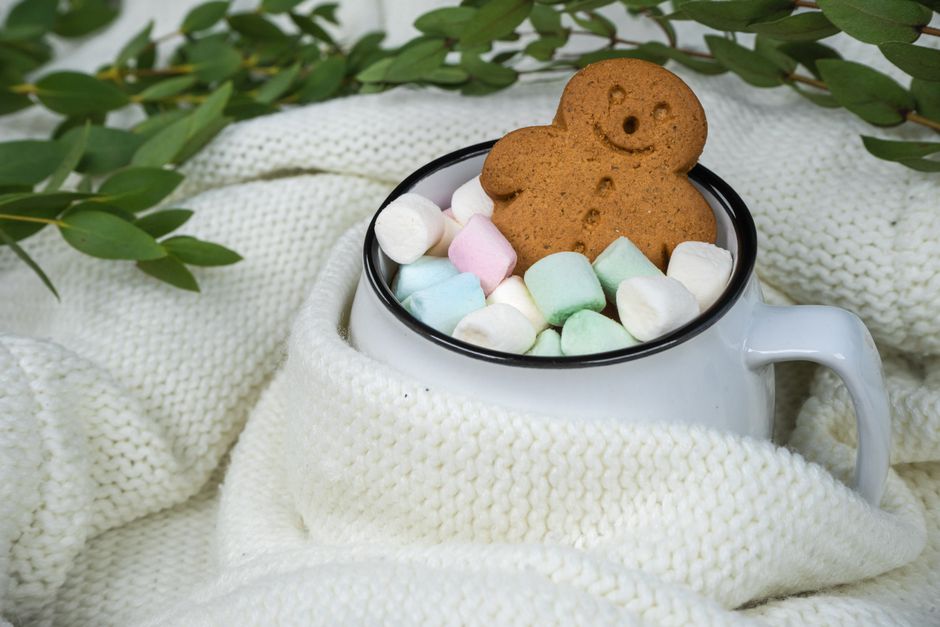
For adults, plan on 8 ounces per serving. For children, 6 ounces is usually enough, especially when the drink includes whipped cream, marshmallows, or candy toppings. That extra amount matters because a hot chocolate bar encourages tasting, and small cups often lead guests to return for another serving.
| Guests | Planned servings | Hot chocolate to prepare | Recommended holding setup |
|---|---|---|---|
| 6 guests | 7 servings | About 56 ounces, or 1.75 quarts | One 2-quart pot |
| 12 guests | 14 servings | About 112 ounces, or 3.5 quarts | Two 2-quart batches |
| 20 guests | 23 servings | About 184 ounces, or 5.75 quarts | Two 3-quart batches |
Choose smaller cups for better control
Six-ounce paper cups work well for children and dessert-heavy parties. Eight-ounce mugs suit adults. Avoid starting with 12-ounce cups unless the drink is the main dessert, because large cups increase waste and make the beverage cool faster.
For a mixed-age group of 12, prepare about 3.5 quarts and serve in 6- to 8-ounce portions. That amount gives the crowd a second serving without forcing you to hold a large volume of milk for several hours. The clear recommendation is to make two medium batches instead of one oversized batch.
How to arrange the bar so guests move in one direction
Build a left-to-right serving path
Use a table at least 36 inches wide if possible. Place cups and sleeves on the left, followed by the hot chocolate, then syrups, dry toppings, whipped cream, and spoons. Put napkins at the far right. This one-way path reduces reaching and keeps guests from blocking the person who is still pouring.
- Set cups, mugs, and name labels at the starting point.
- Place the hot chocolate in the center with a ladle or controlled spout.
- Offer two flavor choices, such as classic milk chocolate and dark chocolate.
- Group toppings by type: soft, crunchy, minty, and fruit-based.
- Put whipped cream and sauces near the end so drips stay away from dry ingredients.
- Keep a small waste bowl beside the spoons for used stirrers and empty packets.
Separate self-service from host-controlled items
Guests can safely serve marshmallows, sprinkles, cinnamon, and chocolate shavings themselves. Keep the warm pot, dairy-free milk, and any allergen-sensitive ingredients under host control. A small sign can state “contains dairy,” “contains nuts,” or “use the clean spoon.” That language is clearer than assuming everyone recognizes an ingredient.
Keep the bar away from the front door, pet bowls, and a busy cooking area. A stable counter near an outlet is better than a decorative side table that wobbles when someone reaches for a topping. The best layout is the one that makes the safe choice the easy choice.
Which toppings make the bar feel special without becoming cluttered?
Start with four texture groups
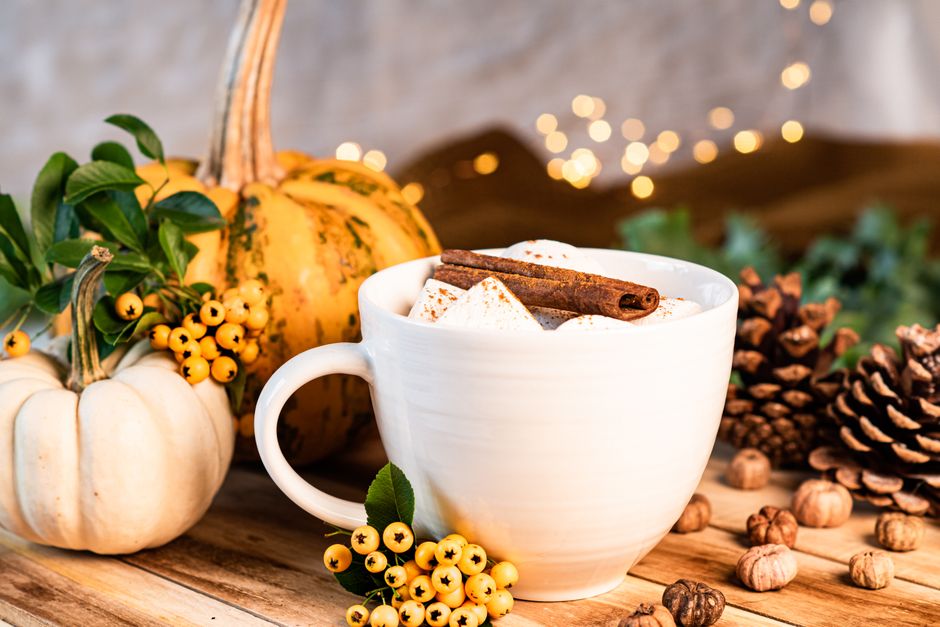
Four texture groups beat twenty random toppings. Offer something soft, something crisp, something creamy, and something aromatic. A practical set includes mini marshmallows, crushed peppermint, whipped cream, and cinnamon. Add one salty option, such as pretzel pieces, and one fruit option, such as freeze-dried strawberries.
For 12 guests, prepare about 2 cups of marshmallows, 1 cup of crushed peppermint, 2 cups of whipped cream, 1 cup of pretzel pieces, and 1 cup of chocolate chips. These amounts look full in small bowls without leaving a large amount of food uncovered. Refill the bowls instead of displaying the entire supply.
Pair flavors instead of offering every flavor
Classic milk chocolate pairs well with peppermint, cinnamon, caramel, and pretzels. Dark chocolate works with orange zest, sea salt, espresso powder, and toasted coconut. White chocolate is sweeter, so use tart freeze-dried berries or a small amount of raspberry sauce to keep the cup from tasting flat.
Use squeeze bottles for caramel and chocolate sauce, but label them if any sauce contains nuts, dairy, or alcohol flavoring. Avoid loose fresh fruit unless you can keep it cold and replace it often. Bananas and cut strawberries become messy fast on a warm counter.
My strongest recommendation is to offer two chocolate bases and six toppings. Guests perceive choice, while the host keeps the ingredient list manageable and the service line quick.
What should hosts do about allergies and special diets?
Can one dairy-free option serve a mixed crowd?
Yes, but it should have its own pot, ladle, cups, and toppings. Oat milk usually gives the closest creamy texture for a holiday bar, while almond milk brings a distinct nut flavor and creates a separate allergen concern. Do not pour dairy-free chocolate into a shared slow cooker that previously held regular milk.
For a small gathering, make the dairy-free batch first, transfer it to a clean labeled pot, and keep it physically separate. Place the dairy-free option at one end of the table instead of beside the regular base. The clear verdict is to use one separate base rather than trying to make every topping suitable for every diet.
How should nut, gluten, and marshmallow concerns be handled?
Read the package label for chocolate chips, cocoa mix, wafer pieces, and flavored syrups. “May contain” language matters for guests with serious allergies. Pretzels usually contain wheat, and some marshmallows use gelatin. A topping card should list the actual ingredients, not only a broad label such as “holiday mix.”
Use dedicated serving spoons and never return a spoon from one bowl to another. Keep sealed packets available for guests who do not want to use the shared toppings. If a guest reports a severe allergy, do not promise that the bar is safe; explain which ingredients and preparation surfaces you controlled. No state law is being interpreted here, and public or commercial events may face additional state and local requirements.
What can you prepare 45 minutes before guests arrive?
The practical 45-minute schedule
At 45 minutes before serving, wash and dry the bar surface, set out the cups, and place labels beside the toppings. At 35 minutes, measure cocoa, sugar, chocolate, and milk into separate containers. At 25 minutes, start the first batch over low heat and stir until the chocolate fully dissolves.
At 15 minutes, transfer the drink to its holding vessel, prepare the second flavor if needed, and set out only half of the toppings. At 5 minutes, add whipped cream to the table, check the serving spoons, and place a thermometer nearby if you are monitoring temperature. Refill small bowls as guests use them.
What should the host check during service?
- Stir each warm batch every 10 to 15 minutes to prevent a film and settled chocolate.
- Replace any topping spoon that falls onto the table or touches another ingredient.
- Discard toppings that become wet, sticky, or visibly contaminated.
- Keep a backup carton of milk and one sealed cocoa mix available for a quick second batch.
Do not leave a large pot of milk-based chocolate unattended for the entire party. Smaller refills protect flavor and give the host control over heat, cleanliness, and portions. A successful bar feels relaxed to guests because the decisions happened before they arrived.