The common mistake is treating vegetable soup as a pile of vegetables floating in hot water. That makes a thin, forgettable bowl. A satisfying January soup needs three things: a deep base, a sturdy source of energy, and vegetables cooked at the right time. I have made enough winter soup to know that the order of ingredients matters more than the number of ingredients. Start with onions and carrots, build flavor before adding liquid, and finish with something bright. The result tastes like dinner, not a side dish.
Why January Soup Needs More Than Vegetables
What makes a vegetable soup filling
A soup feels hearty when it combines water-rich vegetables with starch, protein, and enough fat to carry flavor. Potatoes, barley, white beans, chickpeas, and lentils all make a bowl last longer than a broth filled with soft zucchini. You do not need meat to create that effect. A cup of cooked green lentils adds roughly 18 grams of protein and about 15 grams of fiber, while a medium potato gives the soup body as its starch breaks down.
The deeper reason is texture. A good bowl gives you something to chew, something creamy, and something fresh. I like diced carrots and celery for bite, beans for tenderness, and a spoonful of crushed tomatoes for a savory backbone. If every ingredient turns soft at the same time, the soup tastes flat even when the seasoning is right.
How cold weather changes the balance
Cold evenings make rich flavors taste better, but heavy does not mean greasy. Use two tablespoons of olive oil for a large pot, then add black pepper, smoked paprika, dried thyme, or a small rosemary sprig while the vegetables cook. Acid matters too. Lemon juice, red wine vinegar, or chopped pickled peppers can wake up a soup that tastes dull after reheating.
My clear rule is simple: build a soup that can stand alone with bread, not one that requires a second meal beside it. For January, a tomato, lentil, and root vegetable base is the strongest starting point because it stays satisfying after freezing and reheating.
Which Soup Base Works Best for a Cold Evening?
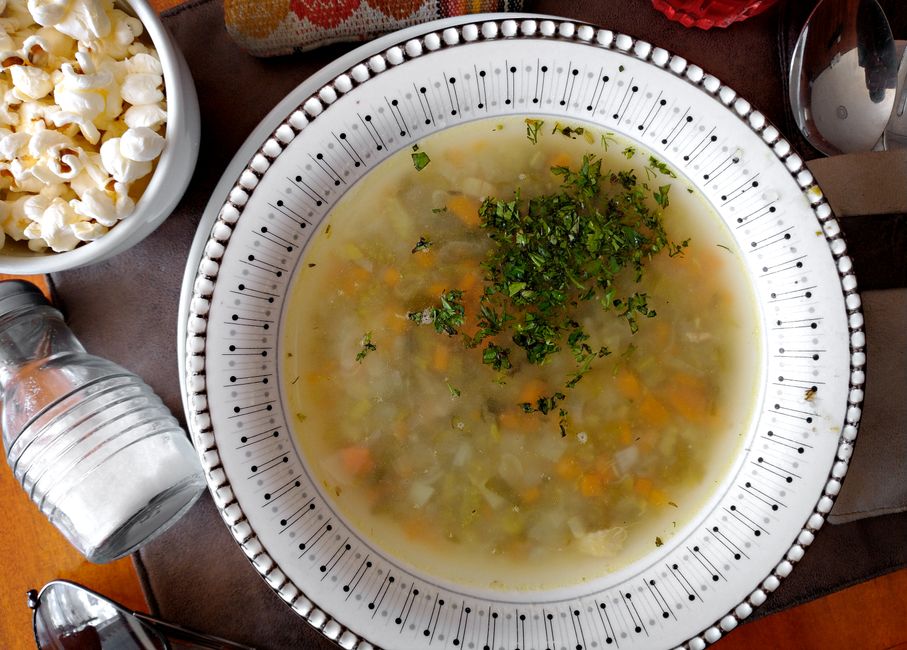
There is no prize for using the most complicated broth. The best base depends on what the vegetables need to taste like. The table below shows the combinations I return to when I want a dependable pot without guesswork.
A practical base comparison
| Soup base | Main flavor | Best additions | Cooking time | My verdict |
|---|---|---|---|---|
| Tomato and vegetable stock | Bright, savory, slightly sweet | Lentils, potatoes, kale | 35 to 45 minutes | Best all-purpose choice |
| White bean and herb broth | Creamy, mild, earthy | Leeks, cabbage, carrots | 30 to 40 minutes | Best for family dinners |
| Miso and mushroom broth | Deep, salty, umami-rich | Tofu, greens, noodles | 20 to 30 minutes | Best for a quick supper |
| Coconut curry broth | Fragrant, warm, gently sweet | Sweet potato, chickpeas, spinach | 30 to 35 minutes | Best change from classic soup |
How to choose the right liquid
Use low-sodium vegetable stock when you want control over seasoning. Water works when the pot contains onions, garlic, mushrooms, tomato paste, and herbs, but plain water needs more help. I often use half stock and half water for lentil soup because the lentils create their own earthy flavor as they cook. For a smooth soup, use enough liquid to cover the vegetables by about 1 inch. For a chunky soup, stop at the level of the vegetables and add more near the end.
Do not pour in all the salt at the beginning. Stock, canned beans, miso, and tomato products can vary widely. Season the aromatics lightly, taste after the vegetables soften, then make the final adjustment just before serving. That single habit prevents an over-salted pot.
Three January Soup Recipes That Actually Keep You Full
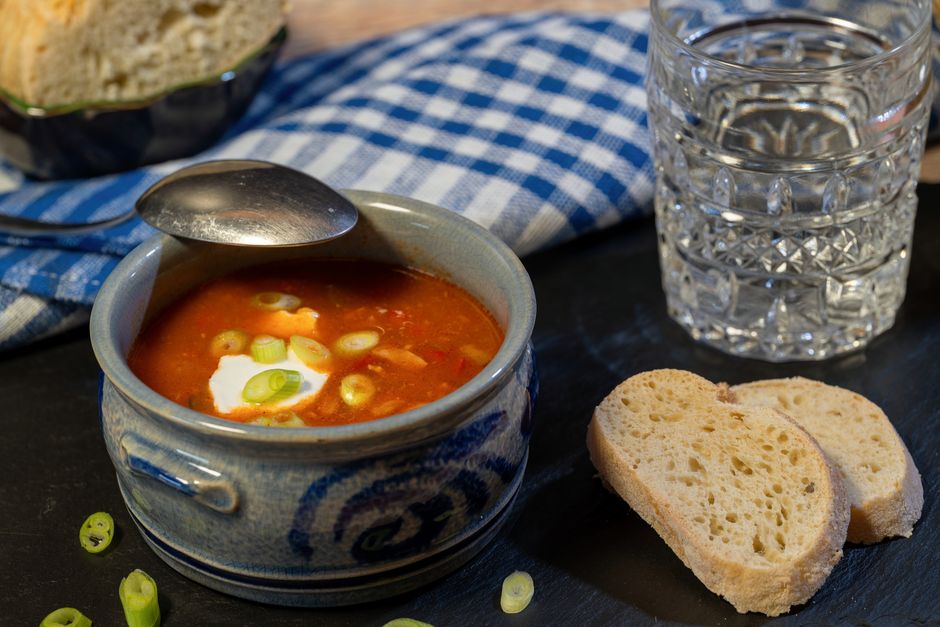
These formulas use inexpensive ingredients and make enough for four to six bowls. I prefer them because each one has a different texture, so January meals do not become one repeated orange soup.
Tomato lentil soup with potatoes
- Cook one diced onion, two carrots, and two celery stalks in olive oil for 8 minutes.
- Add two tablespoons of tomato paste, one teaspoon of cumin, and one teaspoon of smoked paprika.
- Pour in 6 cups of vegetable stock and add 1 cup of rinsed green lentils, two diced potatoes, and one 14-ounce can of crushed tomatoes.
- Simmer uncovered for 30 to 35 minutes until the lentils and potatoes are tender.
- Stir in chopped parsley and one tablespoon of lemon juice. Add salt only after tasting the stock.
This is my best choice for a one-pot family dinner. The lentils give it protein, the potatoes make the broth feel thick, and the tomato keeps the flavor lively after freezing. Serve it with toasted bread or a spoonful of plain yogurt.
White bean, cabbage, and leek soup
- Slice two leeks and cook them with one diced carrot in two tablespoons of olive oil for 7 minutes.
- Add three cups of shredded green cabbage, one teaspoon of dried thyme, and six cups of vegetable stock.
- Simmer for 15 minutes, then add two 15-ounce cans of drained white beans.
- Cook for another 8 minutes. Mash half a cup of beans against the side of the pot to thicken the broth.
- Finish with black pepper, lemon zest, and a drizzle of olive oil.
This version wins when you want a mild soup that children can eat without a fight. The cabbage brings sweetness, while mashed beans create creaminess without dairy. Do not boil it hard after adding the beans; they split and make the soup pasty.
When to Use a Dutch Oven, Pressure Cooker, or Blender
Choose the cooking tool around the texture you want, not around the fanciest feature. A Dutch oven is best for layered flavor because you can brown vegetables, simmer slowly, and watch the liquid reduce. A pressure cooker is best for lentils, dried beans, and rushed weeknights. A blender is best when the vegetables need to become the texture of a meal rather than remain in pieces.
The real tradeoffs
A stovetop pot gives you the most control. You can add greens late, correct the salt, and stop cooking as soon as the potatoes are tender. The tradeoff is attention. A soup left unattended can scorch or reduce too far. A pressure cooker solves that problem and shortens cooking time, but it blurs ingredient timing. Carrots and potatoes may become very soft before delicate greens go in.
Blending creates a thick soup from cauliflower, squash, carrots, or potatoes, but it can also hide poor seasoning. If the base tastes bland before blending, it will taste bland afterward. Add acid and enough salt before judging the texture.
My specific recommendations
For a slow Sunday pot, use the Lodge Enameled Dutch Oven and simmer at a gentle bubble for 35 to 45 minutes. For dried beans or a meal that must be ready quickly, use the Instant Pot Duo Plus and follow the shorter cooking time for canned ingredients. For silky squash soup, use a regular stick blender first; only choose the Vitamix 5200 if you make blended soups often enough to justify its price. The clear winner for most households is the Dutch oven because it handles every soup style without forcing one texture.
Soup Troubleshooting: Questions I Hear Every Winter
Why does my vegetable soup taste watery?
Usually, the pot contains too much liquid or the aromatics never had time to brown. Simmer the soup uncovered for 10 to 15 minutes, then taste again. If the flavor still feels thin, add a spoonful of tomato paste, a mashed bean, or a small amount of grated Parmesan. Do not solve every weak soup with salt. Salt can sharpen flavor, but it cannot replace the savory depth that comes from browned onions, mushrooms, tomato paste, or stock.
Why do my potatoes fall apart while the carrots stay firm?
The pieces are probably different sizes, or the potatoes went into the pot too early. Cut root vegetables into similar 1-inch pieces. Add potatoes after the broth reaches a simmer, then add carrots five minutes earlier if they are firm varieties. Waxy potatoes hold their shape better than floury baking potatoes. If you want a thick soup, use floury potatoes on purpose and stir them near the end so they release starch.
Can I freeze a hearty vegetable soup?
Yes, but cool it quickly and leave space in each container for expansion. Bean, lentil, tomato, and root vegetable soups freeze well for up to three months. Soups with pasta, cream, or delicate greens need more care. Cook pasta separately and add it after reheating. Reheat frozen soup gently, then add fresh lemon juice, herbs, or a spoonful of stock to restore its brightness.
My final recommendation is the tomato lentil soup with potatoes: brown the aromatics, simmer the lentils gently, add greens at the end, and finish with lemon. It is the most reliable hearty vegetable soup for cold January evenings because it is filling, inexpensive, freezer-friendly, and flavorful enough to stand on its own.