That is why a smooth blowout can turn puffy after one walk outside, even when the forecast shows no rain. Humid air adds moisture to the hair shaft, lifts the cuticle, and makes curls, waves, and straight styles change shape.
The fix is not piling on heavy cream. The best summer styles use less hair at the surface, keep the ends controlled, and place the hair where moisture has fewer chances to create frizz. These five options work for workdays, school runs, beach trips, and hot evenings.
Why humidity makes lightweight hair styles fall apart
Moisture changes the shape of the hair shaft
Hair contains bonds that help hold its shape. Water weakens some of those temporary bonds, which is why damp hair can be reshaped with a brush, braid, or roller. In humid weather, the air keeps feeding moisture back into the hair. Straightened hair starts to bend, while curly hair can swell and lose a clean curl pattern.
Porous hair reacts fastest. Bleach, permanent color, frequent heat, and rough towel drying can lift the outer cuticle. Once the cuticle has gaps, moisture enters more easily. Fine hair may look fluffy and limp at the same time because the strands absorb water but cannot support much weight.
Heat, sweat, and friction add a second problem
Humidity is only half the battle. Sweat at the scalp makes roots separate and slide, while friction from cotton towels, backpack straps, and shirt collars roughs up the outer layer. Loose hair then has more surface area exposed to the air. A low bun, braid, or clipped twist reduces that exposure and keeps the ends from rubbing against clothing.
The core rule is simple: smooth the hair lightly, then gather it before the weather can change its shape. Heavy oil does not solve the cause. It can make fine hair look greasy and can leave thick hair stiff once sweat and product mix together.
Which lightweight summer hairstyles handle humidity best?
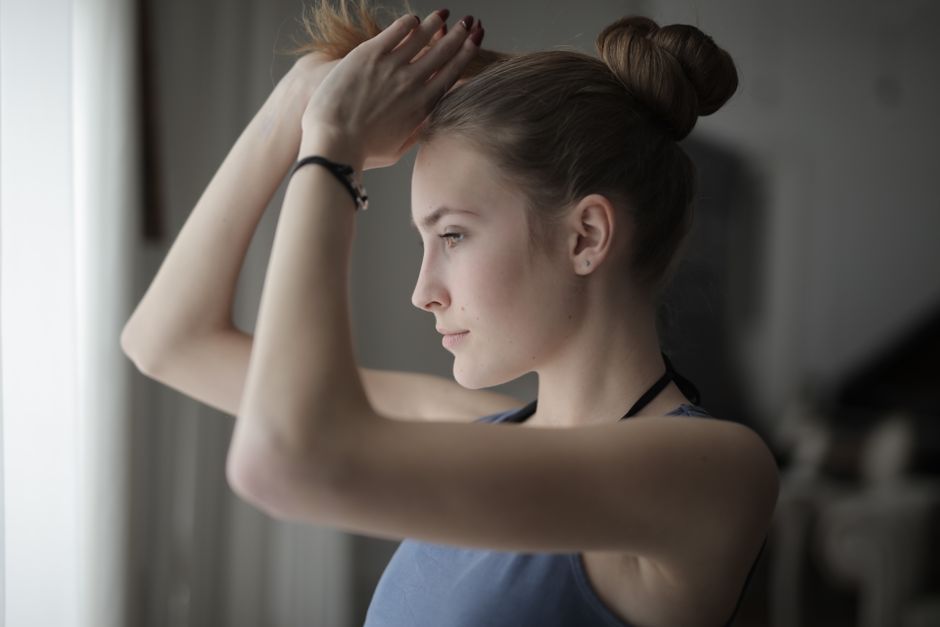
Use the style that matches your exposure time
Choose a style based on how long you will stay outside, not only on your hair texture. A loose claw-clip twist works for a short commute, while a braided bun is safer for a full afternoon outdoors. The table below gives a practical starting point.
| Style | Best for | Outdoor hold | Weight on hair |
|---|---|---|---|
| Low braided bun | Long days, thick or wavy hair | 6 to 10 hours | Low |
| Claw-clip twist | Medium hair, quick errands | 2 to 5 hours | Very low |
| Two French braids | Curly, textured, or unruly hair | 8 to 12 hours | Low |
| High loose ponytail | Fine hair and active mornings | 3 to 6 hours | Low |
| Scarf-wrapped bun | Dry ends and sun exposure | 5 to 8 hours | Low to medium |
Pick the clear winner for your hair type
For fine, straight hair, the low braided bun is the strongest choice because the braid creates grip without requiring thick gel. For dense curls or coarse waves, two French braids control the whole shape and protect the ends. For medium-length hair that does not reach a bun, use a claw-clip twist with the ends folded under.
The best all-purpose option is the low braided bun. It keeps the hair off the neck, hides uneven texture, and stays comfortable under a hat. Make it loose enough to avoid scalp tension, especially if you will wear it for several hours.
How to build a humidity-resistant style in 10 minutes
Follow this five-step routine
- Start with mostly dry hair. Leave the hair slightly damp only if you are making braids. Wet hair stretches more easily and can break when pulled tight. For a bun or twist, dry the roots fully and let the lengths cool before gathering them.
- Apply one light control layer. Use a small amount of Color Wow Dream Coat Supernatural Spray, typically $28 for 6.7 fluid ounces, on damp hair if you want a smooth finish. For a lighter aerosol option, Living Proof No Frizz Humidity Shield usually costs about $29 for 5.5 ounces. Spray from mid-length to ends rather than soaking the roots.
- Dry in the direction of the cuticle. Use a concentrator nozzle and point the airflow downward. A 1,500 to 1,875-watt dryer is enough for most home use. Keep the dryer moving and stop when the hair feels dry, not hot.
- Create the shape before adding tension. For a low bun, make a loose ponytail at the nape, twist the length, and wrap it around the base. Secure it with two U-pins instead of pulling one elastic tight. For braids, divide the hair evenly and keep the first three crossings close to the scalp.
- Seal only the flyaways. Spray TRESemmé Keratin Smooth Heat Protection Shine Spray, often about $8 for 8 fluid ounces, onto a clean toothbrush or small styling brush. Smooth the surface once. Do not brush repeatedly after the style is finished.
This routine works because it controls moisture before the hair is exposed, then limits friction once the style is set. The products are optional; the order matters more than the brand. If your hair becomes oily quickly, skip the cream-based step and use a fine mist only on the ends.
Keep the finish light during the day
Carry two small tools: a snag-free elastic and a pair of flat U-pins. If the style loosens, rebuild the shape instead of adding more spray. Extra product often creates a sticky surface that attracts dust and makes humidity feel worse. For a completely product-free approach, mist the hair with water, add a tiny amount of conditioner to the ends, and braid it while damp.
The best quick verdict for each hair texture
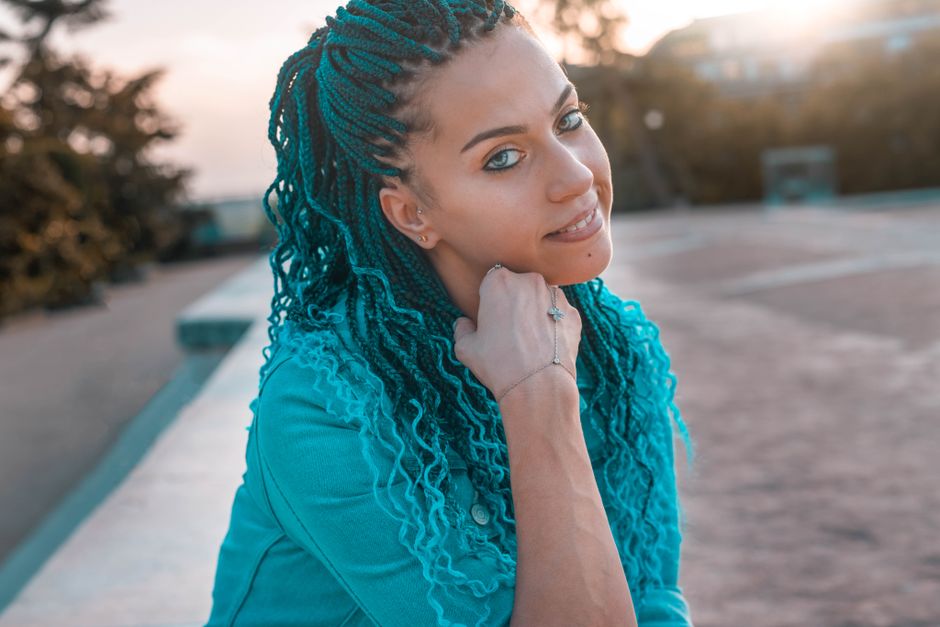
Fine and straight hair
Choose a low braided bun with a center or side part. It gives fine strands enough structure to stay put without the flat, oily look that heavy wax can create; start with dry roots, use one small elastic at the nape, braid the ponytail, and pin the braid underneath. The best lightweight helper is TRESemmé Keratin Smooth Heat Protection Shine Spray at about $8 because it adds slip and surface control without the dense feel of a pomade, but skip it if your hair already looks coated after washing.
Wavy, curly, and thick hair
Choose two French braids or a high braided ponytail because these styles reduce the amount of hair exposed to damp air and stop the ends from rubbing against your neck and clothes; work with the natural wave instead of brushing it straight, divide the hair while it is damp, and use a small amount of Color Wow Dream Coat at roughly $28 only when you want a smoother finish. For thick hair, this is a better pick than a tight slicked-back bun because it spreads tension over two sections and lowers the chance of scalp soreness, crushed curls, or a heavy product buildup.
Humidity hairstyle mistakes and when to change plans

Why does my hair puff up after I straighten it?
The usual mistake is straightening hair that still contains moisture. If the roots or inner layers feel cool and damp, the style is not finished. Another problem is using a flat iron at too low a temperature and making many passes. That creates more friction without fully setting the shape. Dry each section completely, use one slow pass, and stop trying to make naturally wavy hair glass-straight on a high-dew-point day. A braid or low bun will give a cleaner result with less heat damage.
When should I skip a loose style?
Skip a loose ponytail when you will exercise, walk in strong wind, or spend more than four hours outside. The elastic will slide, sweat will collect at the nape, and the exposed lengths will swell unevenly. Choose two braids instead. Also skip a tight slicked-back bun if your scalp feels tender, your hairline is fragile, or you have recently lightened your hair. A scarf-wrapped low bun is the better alternative because it protects dry ends while allowing a softer base. Do not add more and more spray after the style changes; re-braid or re-pin it. For the clearest summer recommendation, use a low braided bun for fine or medium hair and two French braids for thick, wavy, or curly hair. Both styles stay light, survive humidity longer than loose hair, and need less heat to look finished.