
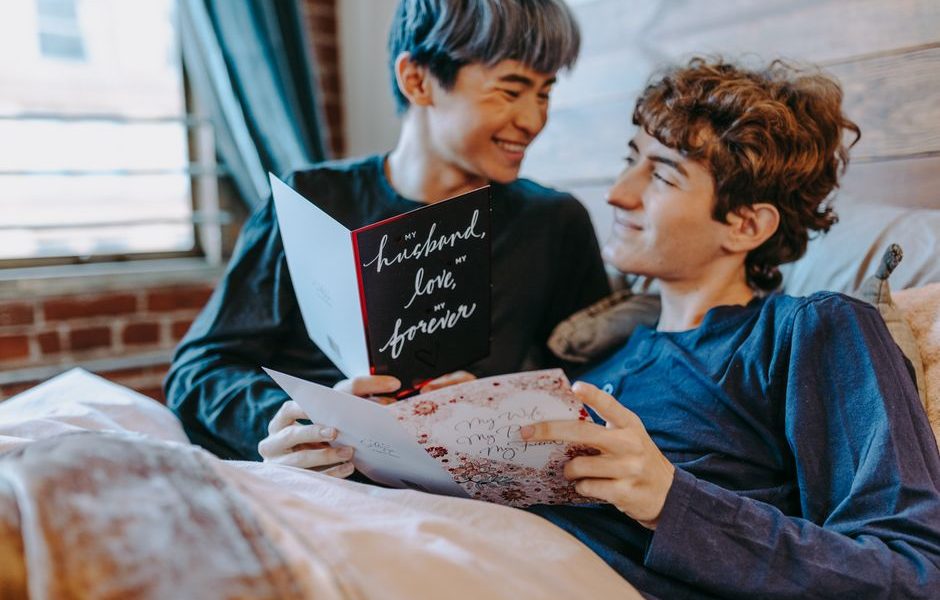
It is 5:40 on Valentine’s Day. One child is hungry, another is already bored, and you still have dinner to make. The craft you saved online needs twelve supplies you do not own. Nobody wants a formal family event. They want something easy that feels a little special.
That is the real target: low-key family Valentine activities with a clear start, a short finish, and enough choice for kids to feel involved. Skip the forced cuteness. Give them food, movement, a small challenge, and an ending time.
What makes a Valentine activity feel low-key?
Keep the plan short enough to finish
Kids enjoy an activity more when they can see the finish line. For most families, 30 to 60 minutes works better than an open-ended “Valentine party.” Put the activity on the clock before you begin. A 10-minute setup, 25-minute main activity, and 10-minute clean-up is enough for younger children. Older kids can handle 60 to 90 minutes if the activity includes a real choice or challenge.
The activity also needs a low entry point. If a child cannot join without careful cutting, neat handwriting, or a parent sitting beside them, the plan is too complicated. Use materials that work badly and still produce something fun. Uneven paper hearts are fine. A lopsided snack board is fine. The goal is shared time, not a display for social media.
Give kids control without creating chaos
Offer two choices, not ten. “Do you want to make a snack board or play a love-themed scavenger hunt?” gives children ownership. “Pick anything you want to do” usually creates arguments.
Use one shared rule: everyone gets one activity choice, and nobody has to perform affection on demand. A child can write a card, draw a picture, build something, or simply sit with the group. That small boundary prevents the evening from turning into a test of who feels sentimental enough.
The best verdict is simple: choose one activity with a visible finish, two or three materials, and one decision that belongs to the kids.
Which family Valentine plan fits your actual evening?
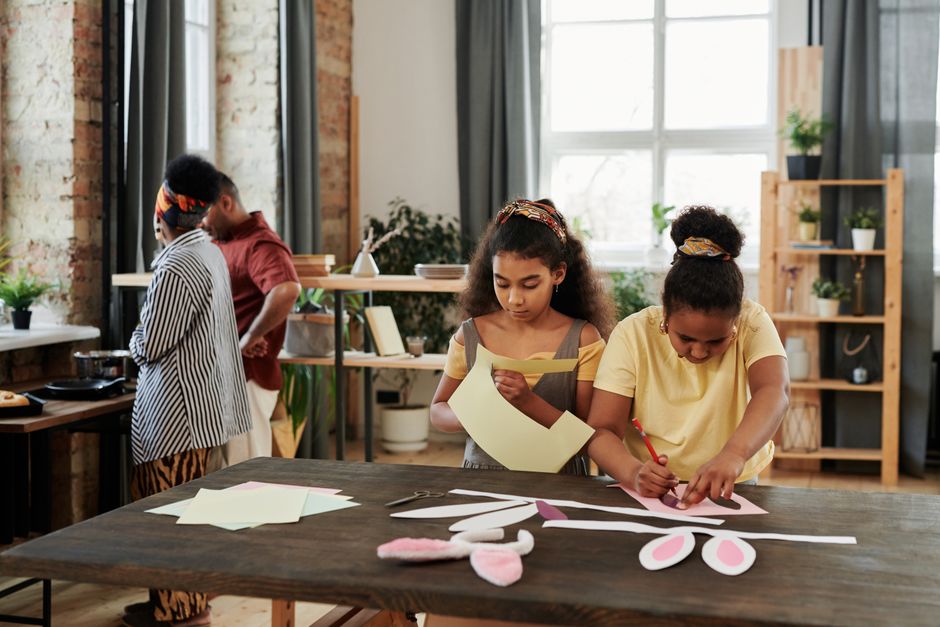
Match the activity to your household’s energy. Do not choose a messy craft after a long school day or a competitive game when siblings are already fighting. This table gives you a workable starting point.
| Plan | Time | Supplies | Best for | Family cost |
|---|---|---|---|---|
| Snack-board challenge | 35 minutes | Fruit, crackers, cheese, chocolate, paper plates | Hungry kids and mixed ages | $10-$18 |
| Living-room scavenger hunt | 25 minutes | Six clue cards and small prizes | Kids who need movement | $0-$8 |
| Kindness card sprint | 40 minutes | Paper, markers, envelopes | Quiet afternoons | $3-$7 |
| Family game tournament | 45 minutes | One card or board game, timer, score sheet | Older kids and adults | $0-$25 |
The 35-minute winner
Pick the snack-board challenge when everyone is tired or hungry. Put ingredients in bowls, give each person one plate, and set a 15-minute building timer. Then everyone explains one item on the plate. Food solves the first problem before the activity even begins.
The no-cost backup
Pick the scavenger hunt when you have no time to shop. Hide five paper hearts with clues such as “find something red” or “bring back something soft.” The final clue leads to dessert, a family movie choice, or ten extra minutes before bedtime. This plan costs almost nothing and gives restless kids a job.
My clear choice for most homes is the snack-board challenge. It handles hunger, works across age groups, and creates less cleanup than a craft table.
The best low-key plan is a five-part Valentine tasting bar
My pick: build a tasting bar, not a full party. It gives kids control, keeps the pace moving, and does not require everyone to enjoy the same flavor. Set up five small stations: sweet, salty, crunchy, soft, and drink. Each child makes a small plate, names it, and scores one item from 1 to 5.
Keep the food basic. Strawberries, apple slices, pretzels, popcorn, cheese cubes, crackers, marshmallows, and chocolate chips are enough. Add one unusual item, such as dried mango or a mild hot chocolate topping. Do not buy fifteen ingredients for a 30-minute activity. Variety comes from combinations, not volume.
Use a small activity kit instead of a shopping spree
If you want a few physical add-ons, set a firm budget before buying anything. A 10-count pack of Crayola Washable Markers usually fits a $5 planning cap and covers labels, scorecards, and paper hearts. The Mattel UNO card game has 112 cards and works as a short second activity; cap it at about $8. The LEGO Classic Creative Suitcase 10713 has 213 pieces and can support a 15-minute “build something for someone you love” challenge; use $20 as a spending ceiling.
These are optional tools, not the point of the evening. If you already own markers, cards, or building bricks, use those. Buying a new kit will not rescue a badly timed activity.
Run the tasting bar in four clean steps
- Set out five bowls and one plate per person before calling the kids over.
- Give everyone three minutes to choose a station order and one rule for their plate.
- Start a 15-minute timer. Each person builds, names, and scores the plate.
- Spend 10 minutes tasting and voting on categories such as best crunch, best color, and strangest combination.
The verdict: this is the strongest plan for families with different ages because it allows participation without demanding the same skill level. A preschooler can arrange fruit. A teenager can invent a spicy-sweet combination. An adult can finally eat dinner.
How do you stop the evening becoming a sugar-and-screen mess?

Most family Valentine plans fail for boring reasons. The food is available too early. The rules are unclear. The activity runs past bedtime. Fix those problems before they appear.
- Do not start with dessert. Serve the main snack or meal first, then include one sweet item in the activity. A bowl of candy at 5:00 creates arguments before the game begins.
- Set a hard stop. Tell children when the activity ends: “We are finished at 7:00.” A clear endpoint lowers resistance when cleanup starts.
- Skip public judging. Vote on silly categories instead of naming one winner. “Best use of red” is safer than “best plate,” especially with siblings who compete hard.
- Limit the supplies. Put out only what the activity needs. Too many ingredients or craft items make the table look exciting but slow the evening down.
- Prepare a quiet exit. Have pajamas, a book, or a short family movie ready. Children often melt down after a fun activity because the transition is abrupt.
- Do not force a Valentine speech. A child can show care by sharing a cracker, making a drawing, or sitting close. Requiring a heartfelt message turns a relaxed event into homework.
The biggest mistake is trying to make the night look special instead of making it feel easy. Kids remember the part where they got to choose the red strawberries or hide the final clue. They do not remember whether the table matched.
What should you do if your family hates Valentine traditions?
What if my kids refuse crafts?
Drop the craft. Use a timed food challenge, a scavenger hunt, or a living-room obstacle course with heart-shaped paper targets. Valentine’s Day does not require glitter, cards, or pink decorations. The useful part is the shared break in the normal routine.
What if siblings cannot agree?
Use a two-round plan. One child chooses the first 20-minute activity, and another chooses the second. Keep the rounds short enough that nobody feels trapped. If conflict starts, remove the competition and turn the activity into a team task with one shared goal.
What if we only have 20 minutes?
Make a five-item snack plate, ask everyone to choose one person or pet to thank, and finish with a two-minute family photo. That is enough. A small plan that ends calmly beats a large plan that leaves everyone overtired.
So when the evening arrives and one child is hungry, another is bored, and dinner is still waiting, do not reach for the complicated craft. Put five bowls on the table, offer two choices, start a timer, and let the family make the night their own. That is the low-key Valentine plan kids actually enjoy.