
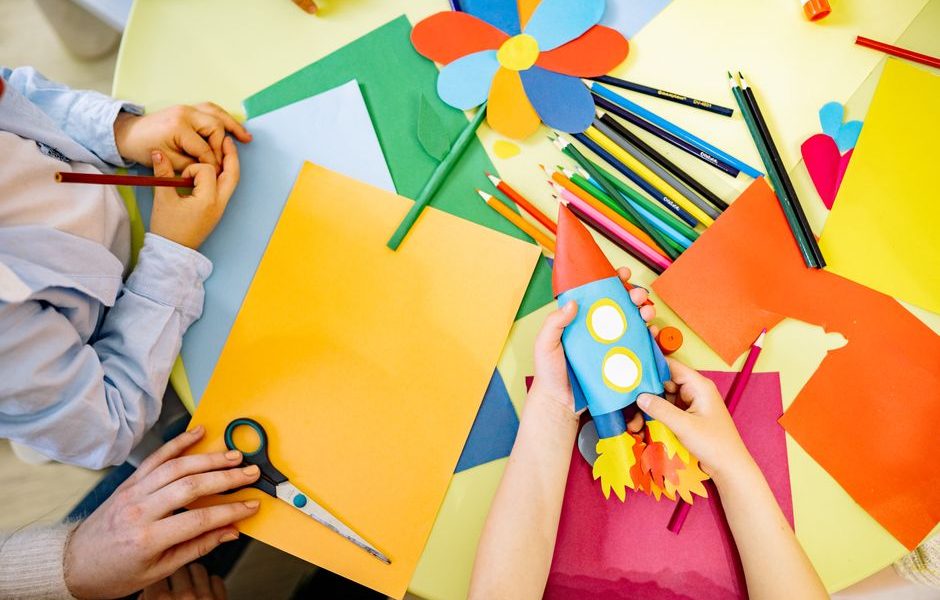
A two-hour rainy afternoon contains six workable 20-minute blocks, and that simple math changes the problem. Children do not need one perfect activity that holds attention all day. They need a clear start, a manageable challenge, and a visible stopping point. This is not legal advice — consult a licensed attorney.
How to Choose a Rainy-Day Activity by Age and Energy

Use a three-question filter
- How much energy does the child have? Choose movement first for a restless child, quiet making for a child who is tired, and a shared project for siblings who are already arguing.
- How much help can an adult provide? If you have only ten free minutes, avoid activities that require cutting every piece, reading every direction, or cleaning several materials at once.
- What can be completed today? Pick a project with a first result that appears quickly. Children are more likely to continue when they can see progress after the first few steps.
For ages three to five, use large materials, short instructions, and sensory activities that tolerate mistakes. For ages six to eight, give a simple challenge with two or three rules, such as build a bridge that holds five toy animals. For ages nine and older, offer a problem with a real constraint: design a restaurant menu, create a marble run, or plan a family game using only household objects.
Set up for independence
Put supplies in one shallow bin instead of spreading them across the room. Write the first three steps on an index card. Place a scrap-paper basket beside the work area. These small choices matter because a child who must ask where every item belongs will abandon the project or turn the parent into a full-time assistant.
Verdict: Match the activity to energy level before matching it to age. A simple project offered at the right moment beats an expensive project offered at the wrong one.
Which Screen-Free Supplies Are Worth Buying in 2026?
The best purchase is not the kit with the most parts. It is the item that offers repeated use, supports more than one type of play, and can be packed away without a special storage system. Prices below are typical US retail prices and may change by seller.
| Product | Useful specification | Typical price | Best use |
|---|---|---|---|
| LEGO Classic Large Creative Brick Box 10698 | 790 pieces in multiple colors and shapes | About $49.99 | Open-ended building for siblings or children age four and older |
| Crayola Inspiration Art Case | About 140 crayons, markers, pencils, and paper supplies | About $24.99 | Drawing, comic-making, signs, and quiet table work |
| Melissa & Doug On the Go Water WOW! | Reusable water-reveal pages with a refillable brush | About $9.99 | Low-mess play for preschool children |
| Ravensburger GraviTrax Starter Set | More than 100 track and construction pieces | About $59.99 | Engineering challenges for older children |
| IKEA MÅLA Drawing Paper Roll | About 30 meters of roll paper | About $9.99 | Large murals, floor maps, and collaborative drawing |
The strongest value for most families
The LEGO Classic box is the best all-purpose choice because one purchase supports building, storytelling, sorting, counting, and cooperative play. It also has a natural stopping point: the child can finish one small model without using every piece. The Crayola case is the better choice for a child who already draws independently, while Water WOW! wins for low cleanup and preschool attention spans.
When a specialized kit makes sense
Buy GraviTrax when the child enjoys testing and rebuilding rather than following a fixed craft. Buy the MÅLA roll when more than one child needs space at the same time. Do not buy both simply because a rainy weekend is coming. One versatile supply, used repeatedly, usually produces more play than several unopened kits.
Verdict: For one dependable purchase, choose LEGO Classic. For the least cleanup, choose Water WOW! For a child who wants a real design challenge, choose GraviTrax.
How to Build a Two-Hour Rainy-Day Plan That Holds Together

Use six short blocks
A full afternoon feels demanding when described as one long stretch. Six small blocks are easier for children to understand and easier for adults to adjust.
- Block one, 20 minutes: Indoor movement. Make a tape path, play animal walks, or run a cushion obstacle course.
- Block two, 20 minutes: Make something large. Use paper, boxes, blankets, or recycled containers to create a town, animal habitat, or pretend store.
- Block three, 20 minutes: Snack preparation. Let children wash fruit, measure dry ingredients, or assemble yogurt cups with supervision.
- Block four, 20 minutes: Quiet focus. Choose reading, drawing, puzzles, or a construction challenge.
- Block five, 20 minutes: Shared family play. Use charades, a homemade board game, or a scavenger hunt with written clues.
- Block six, 20 minutes: Reset and choice. The child selects one activity to repeat, improve, or pack away.
Use cleanup as the hinge
Give cleanup its own short window instead of treating it as an afterthought. A child can put paper in one pile, building pieces in one container, and reusable materials in another. The next activity starts only after the previous work has a home. That rule prevents the common rainy-day failure in which every project remains on the floor and the parent ends the day doing all the sorting.
Verdict: The schedule works because it alternates movement, making, food, quiet focus, and social play. Variety is the attention tool.
Common Mistakes That Make Indoor Play Fail
Mistakes that create more work
- Starting with too many choices: A list of twenty activities can feel like another task. Offer two choices and let the child select one.
- Using fragile materials with young children: Small beads, hot glue, and sharp tools need close supervision. If the adult cannot stay nearby, choose safer materials.
- Making the parent the project manager: Give the child a challenge, not a stream of corrections. A crooked paper house can still be a successful house.
- Ignoring hunger: A child who needs food may reject every craft. Put a simple snack before the most demanding activity.
- Expecting one project to last all afternoon: Most children need a change after 20 to 45 minutes. Plan for movement before frustration appears.
- Buying for novelty: A new box may hold attention once. The better test is whether the materials can support at least five different activities.
When not to buy another kit
Do not buy a new activity kit when the real problem is lack of structure, tiredness, or sibling conflict. A cardboard box, masking tape, paper, and kitchen utensils can support a restaurant, post office, puppet theater, or delivery game. Do not buy a messy sensory kit if your home has no easy cleanup area. Do not buy a complex construction set for a child who currently wants adult connection more than independent work.
Verdict: Delay the purchase when the child has not tried a simpler version of the activity. Test the idea with household materials first; buy only when repeated interest proves the category fits.
Which Rainy-Day Activity Wins for Your Family?
What is best for siblings with different ages?
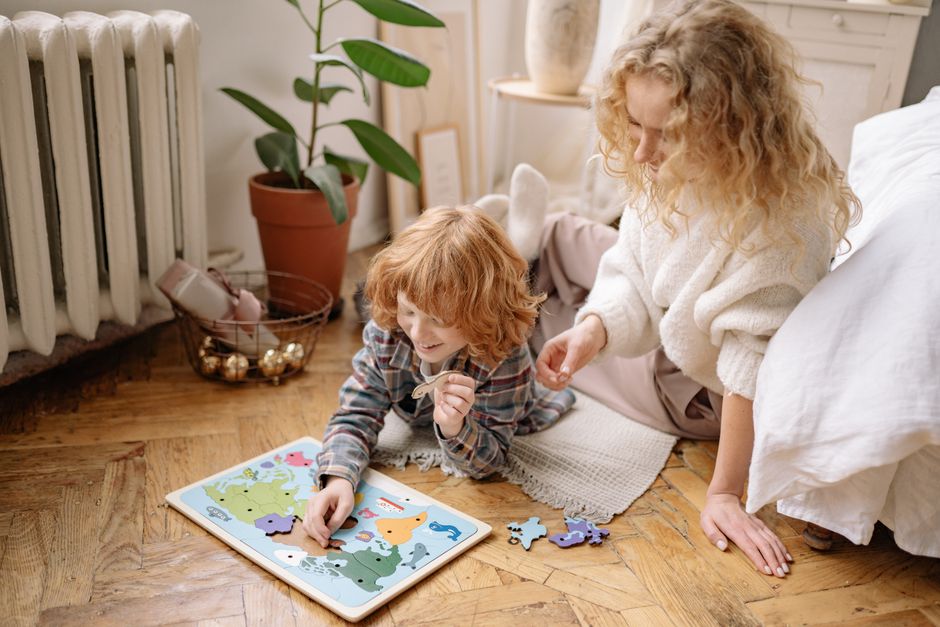
Choose a shared setting with separate difficulty levels. A paper city works well because a preschooler can color roads while an older child designs buildings and rules. LEGO Classic is also a strong choice when the pieces can be sorted into large and small construction tasks. The clear winner is a project where children work beside one another without needing identical skills.
What is best when the adult is working nearby?
Choose drawing, reusable water-reveal pages, audiobooks, or a simple building prompt. Avoid cooking, slime, or projects that involve many small parts. The Crayola Inspiration Art Case is the best named option for this situation because the child can select materials and begin without a long setup.
What is best for a child who rejects crafts?
Use a problem instead of an art assignment. Ask the child to build a bridge, design a pet shelter, create a delivery route, or invent a game with three rules. GraviTrax is the strongest purchase for an older child who likes testing cause and effect, but household blocks can prove the idea before money is spent.
What is the single most reliable fallback?
Use movement, food, and a short building or drawing challenge in that order. A rainy afternoon becomes manageable when the child has a clear next step, the supplies are easy to reach, and the activity can end without a fight.
The most important takeaway is simple: choose a screen-free activity with a quick first win, flexible difficulty, and a cleanup plan before the rain starts.