One-pot dinners do not become fast just because you use one pot. That is the common mistake. A crowded pot, cold ingredients, and a sauce that needs 45 minutes to reduce can still leave dinner late and everyone hungry. The real trick is to match the ingredient size, cooking order, liquid level, and pot shape to the time available.
The strongest one-pot meals finish in 35 to 55 minutes because each ingredient earns its place. Chicken thighs add flavor while they brown. Rice absorbs the cooking liquid. Greens go in near the end so they stay bright instead of turning dull. You also need enough space for food to sear rather than steam.
Why one-pot dinners can finish faster than separate dishes
The pot replaces several cooking jobs
A good one-pot dinner combines browning, simmering, steaming, and sauce-making in one vessel. That saves more than washing time. It also lets each step build flavor for the next one. Brown chicken in oil, add onion to the same surface, loosen the browned bits with stock, then cook rice or beans in that seasoned liquid. The finished dish tastes layered even though the process stays compact.
Separate side dishes often create hidden delays. Rice cooks in one saucepan, vegetables roast for 25 minutes, and meat rests on a cutting board while someone searches for a serving bowl. A single pot keeps the food warm together and removes those handoff points.
Fast cooking depends on surface area
A wide pot beats a narrow pot for most family dinners. A 10 to 12 inch cooking surface gives diced chicken or sausage room to touch the hot metal. If the pieces overlap, moisture escapes slowly and the meat steams. Browning takes longer, and the pot may need extra time to return to a simmer after you add liquid.
Use a heavy pot for meals that need steady heat, such as tomato rice, chili, or chicken and orzo. Use a lighter stainless pot when you need water to boil quickly. The best vessel is not the most expensive one. It is the pot that gives the ingredients enough room and holds the right amount of food.
How to plan a one-pot dinner inside a 60-minute window
Use this five-stage timing plan
- Minutes 0 to 8: Read the recipe, measure the liquid, chop the onion, and cut protein into pieces no thicker than 1 inch. Put the pot over medium-high heat while you work.
- Minutes 8 to 18: Brown the protein in a single layer. If the pot looks crowded, cook in two batches. Remove the first batch before adding the second.
- Minutes 18 to 25: Cook aromatics such as onion, garlic, ginger, celery, or peppers. Add spices during the final 60 seconds so they release aroma without burning.
- Minutes 25 to 45: Add liquid and the slowest-cooking ingredients. Keep the pot at a steady simmer, not a violent boil. Stir once or twice, then leave the lid on.
- Minutes 45 to 60: Add fast ingredients such as peas, spinach, cream, herbs, lemon juice, or grated cheese. Rest the meal for 5 minutes before serving.
Choose ingredients by cooking speed
Cutting size matters more than the label on the recipe. A whole chicken breast may need 25 minutes, while 1-inch pieces can cook in about 10 to 14 minutes after browning. Carrots cut into thin half-moons soften sooner than thick chunks. Long-grain white rice usually cooks faster than brown rice, which needs more liquid and a longer simmer.
Build the meal around one slow ingredient, one medium-speed ingredient, and several quick finishers. For example, chicken thighs, white rice, and frozen peas form a workable combination. Brown rice, thick raw carrots, and large chicken breasts do not belong in the same 45-minute plan unless you par-cook one of them.
How to build a complete one-pot meal without making it heavy
Start with a simple meal formula
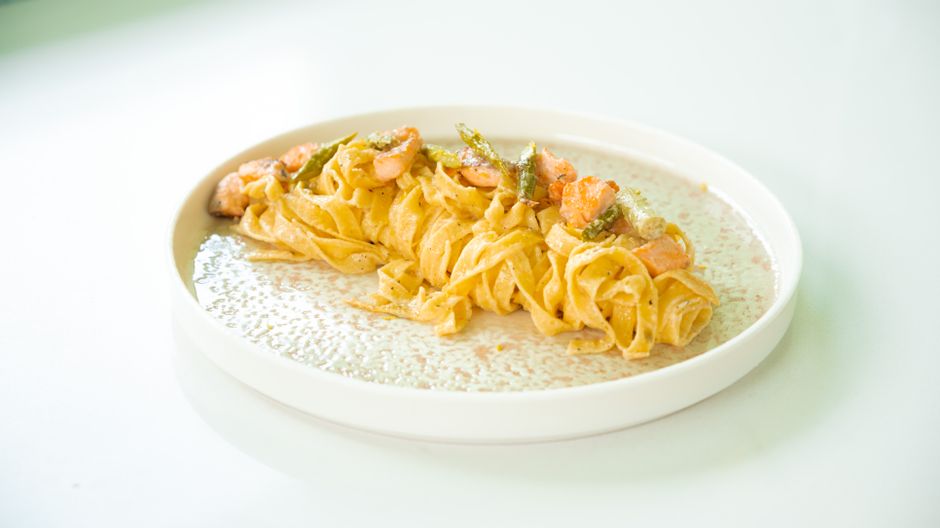
The most dependable formula is protein, aromatic vegetables, starch, cooking liquid, and a fresh finish. Use 1 to 1.5 pounds of chicken, sausage, fish, beans, or tofu; 1 onion or 2 cups of mixed vegetables; 1 to 1.5 cups of rice, pasta, or grains; and 3 to 4 cups of stock, crushed tomatoes, or water. Finish with something sharp or fresh, such as lemon, vinegar, yogurt, herbs, or sliced scallions.
For a chicken and orzo dinner, brown 1-inch chicken thigh pieces in 1 tablespoon of oil for 6 to 8 minutes. Add diced onion and a chopped bell pepper for 5 minutes. Stir in 1 cup of orzo, 3 cups of low-sodium stock, and 1 cup of crushed tomatoes. Simmer uncovered for 8 minutes, then cover for another 5 to 7 minutes. Add spinach and lemon at the end. The starch thickens the sauce while the chicken finishes in the same pot.
Keep richness under control
One-pot meals can become dense because the starch releases into the sauce and the lid traps every drop of moisture. Start with less salt than you think you need, especially when using stock, sausage, canned beans, or cheese. Taste after the starch cooks. Salt added early can make the finished dish taste much stronger after the liquid reduces.
Balance a creamy or cheesy meal with acidity and texture. Add lemon juice to chicken and rice, chopped pickles to a bean stew, or fresh herbs to tomato pasta. A handful of toasted breadcrumbs or sliced radishes can make a soft dinner feel more complete without adding another cooked side dish.
Make vegetables part of the cooking order
Hard vegetables belong near the beginning. Add carrots, celery, or diced sweet potato after the aromatics and give them 3 to 5 minutes before adding liquid. Medium vegetables such as broccoli florets, green beans, and zucchini usually need 5 to 10 minutes. Tender vegetables such as peas, spinach, and fresh herbs need only 1 to 3 minutes.
This order creates different textures in one pot. The mistake is adding everything together, then cooking until the hardest vegetable softens. By that point, spinach turns gray, peas lose their sweetness, and pasta may become mushy.
What usually goes wrong with one-pot family dinners
Common mistakes that add time
- Overfilling the pot: Meat cannot brown when it sits in a deep pile. Cook in batches or use a wider vessel.
- Adding cold liquid: Refrigerated stock can stop the simmer for several minutes. Use room-temperature liquid when possible, or give the pot extra time to recover.
- Using the wrong pasta: Very small pasta can turn soft quickly, while thick shapes may need more liquid than the recipe provides. Stir during the final 5 minutes and check early.
- Opening the lid repeatedly: Each opening releases heat and steam. Check once near the stated finish time rather than lifting the lid every few minutes.
- Cutting protein too large: Pieces over 1.5 inches may brown outside while staying raw in the center. Use a food thermometer and aim for 165°F for poultry.
- Adding dairy too early: Cream, yogurt, and soft cheese can split during a hard boil. Lower the heat first and stir them in during the final minutes.
When a one-pot dinner is the wrong choice
Do not force a one-pot method when the meal depends on crisp textures. Fried chicken, roasted vegetables, and a delicate fish fillet often need open space and dry heat. A pot also works poorly when several ingredients need different cooking temperatures or when everyone wants a separate sauce.
Choose a sheet pan when you want caramelized vegetables and crisp edges. Choose a pressure cooker when dried beans or a tough cut of meat would otherwise take hours. Choose separate pans when a crisp crust is the main reason you want the meal. One pot is a time-saving method, not a rule for every dinner.
Which one-pot dinner wins on a rushed Tuesday?
Is chicken and rice the safest family choice?
Yes. Chicken and rice has the widest appeal because it is mild, filling, easy to adapt, and forgiving when vegetables vary. Use boneless chicken thighs instead of breasts if you want better moisture after a short simmer. Add peas, corn, spinach, or diced carrots according to what is already in the refrigerator. The clear verdict is chicken thighs with white rice and lemon because the dish stays tender while the rice absorbs the cooking liquid.
What is the best meat-free option?
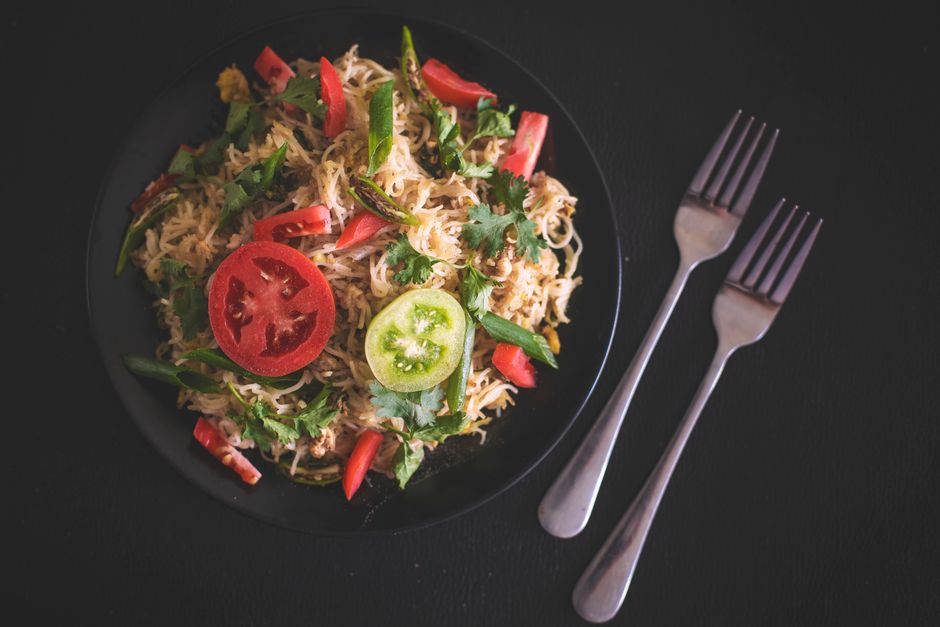
Chickpea tomato pasta wins for speed and low effort. Sauté onion and garlic, add crushed tomatoes, vegetable stock, chickpeas, and short pasta, then simmer until the pasta is tender. Add spinach and grated cheese at the end. Canned chickpeas remove the need for a long soak, while the pasta provides enough starch to make the sauce feel substantial. This is the better choice than a bean stew when dinner must be ready in about 35 minutes.
What should families cook when everyone wants something different?
Use a neutral base such as rice, small pasta, or potatoes, then offer strong flavors at the table. A mild chicken and vegetable pot can take hot sauce, grated cheese, yogurt, herbs, or lemon separately. This gives children and adults control without creating multiple dinners.
The single most important takeaway is simple: one-pot weeknight dinners finish under an hour when you control the cooking order, leave the pot uncrowded, and choose ingredients that share a realistic cooking time.