
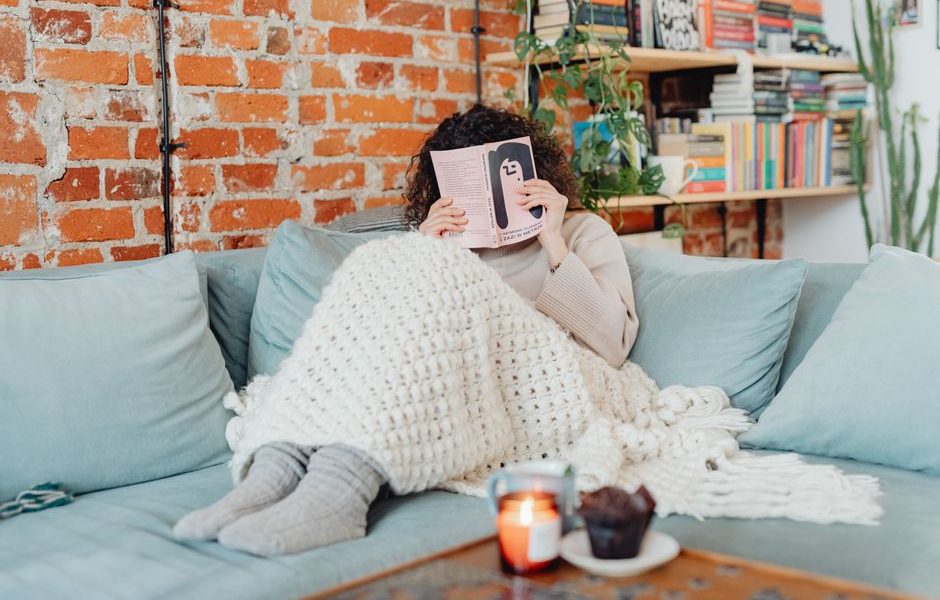
The house is finally quiet. Dinner is done, the children are settled, and November rain is tapping against the glass. You sit down with a book, then notice the chair hurts your neck, the lamp throws a shadow across the page, and your mug has nowhere safe to go.
A good reading nook fixes those small problems. It does not need a full room, a built-in bookshelf, or a dramatic renovation. The winning setup gives you three things: steady light, supported posture, and a place for the book and drink to land. Start there, then add the soft details.
How to Place a Reading Nook for Warmth and Quiet
Choose a calm edge, not the brightest corner
Place the nook along a wall that is away from the main walkway. A corner beside a window can work, but avoid putting the chair directly in front of a radiator, exterior door, or drafty glass. November comfort depends on stable temperature more than a pretty view.
Leave at least 30 inches of clear space in front of the chair. That gives you room to stand, pull out a footstool, and walk past without bumping a table. If the nook sits in a family room, angle the chair slightly toward the room instead of turning its back completely. You will feel tucked away without becoming disconnected from everyone else.
Build the light around the page
Reading light should fall over your shoulder onto the book. A right-handed reader usually gets the cleanest page from a lamp placed to the left, while a left-handed reader often prefers the opposite side. The goal is simple: your hand and head should not cast a dark shape across the text.
Use one focused reading light and one softer room light. The focused lamp handles the page. The background light stops the room from becoming a black tunnel around your eyes. A warm bulb around 2700K to 3000K feels relaxed at night, while a neutral setting around 3500K to 4000K works better for mixed reading and screen use.
Keep every useful item within one reach
Your side table should sit close enough that you can place down a book without leaning forward. A surface about 20 to 24 inches high usually lines up well with an armchair. Keep the table within 12 inches of the armrest if possible.
Use a small basket for a bookmark, reading glasses, charging cable, and a current paperback. Add a washable throw rather than piling up decorative cushions. One lumbar cushion can improve support. Five cushions usually become clutter, especially in a family room where the nook must still function during the day.
A Reading Nook Budget That Keeps the Room Usable

The best first setup costs less than a full furniture makeover. Spend money on the part that changes comfort most: the seat or the light. Decorative extras can wait until you know the nook gets used.
| Setup level | Budget | What it covers | Best for |
|---|---|---|---|
| Use what you own | $0–$40 | Existing chair, floor cushion, spare lamp, blanket, and a cleared surface | Testing the location for one week |
| Comfortable starter | $75–$180 | One supportive seat upgrade, focused lamp, small table, and washable throw | Most bedrooms and family rooms |
| Long-term nook | $250–$650 | Dedicated chair, footrest, wide-light lamp, side table, and storage basket | Daily reading for one or more people |
| Built-in project | $700 and up | Custom shelving, electrical work, upholstery, paint, or fitted bench seating | Permanent spaces with clear floor area |
Spend in the right order
Buy the light before the rug. Buy the chair before the art. A soft rug looks good in photos, but it cannot repair a seat that pushes your shoulders forward. A stylish side table is also a poor investment if it is too low for your drink or too small for a book.
Use a seven-night test before buying furniture
Mark the proposed chair position with painter’s tape. Use a dining chair or existing armchair there for seven evenings. Track three things: how long you read, where your neck starts to feel tired, and whether the light bothers anyone else in the room. This test catches bad placement before money leaves your account. My clear recommendation is to keep the first purchase under $180 until the location proves itself.
Which Reading Light Works After 8 p.m.?
For most November reading nooks, buy a directional lamp with adjustable brightness and put it beside—not behind—the chair. A basic lamp is enough for paperbacks, but a wide, adjustable light wins if you read hardcovers, magazines, recipes, or a tablet in the same seat.
Best value for a small nook: IKEA NÄVLINGE
The IKEA NÄVLINGE LED work lamp costs about $24.99 and produces 220 lumens from a 1.9-watt built-in LED. Its warm 2700K light and adjustable neck suit a narrow side table. It is the best low-cost pick for one reader who mainly reads paper books. The limitation is coverage: 220 lumens is focused, not room-filling, so the surrounding space still needs a gentle lamp or wall light.
Best wide light for paper and screens: BenQ e-Reading Desk Lamp
The BenQ e-Reading Desk Lamp costs about $249 and offers 1600 lux at the center, coverage of about 90cm at 500 lux, 13 color-temperature settings from 2700K to 5700K, and up to 18 watts of power. Its Ra rating above 95 is useful for illustrated books, craft instructions, and color-sensitive work. Choose it when the nook also functions as a writing or laptop station. It is too large and expensive for a tiny bedside corner.
The clear winner for a simple chair-and-table nook is the IKEA NÄVLINGE. The BenQ earns the upgrade pick when one seat must handle books, screens, and detailed tasks.
What Should a Reading Chair Actually Support?
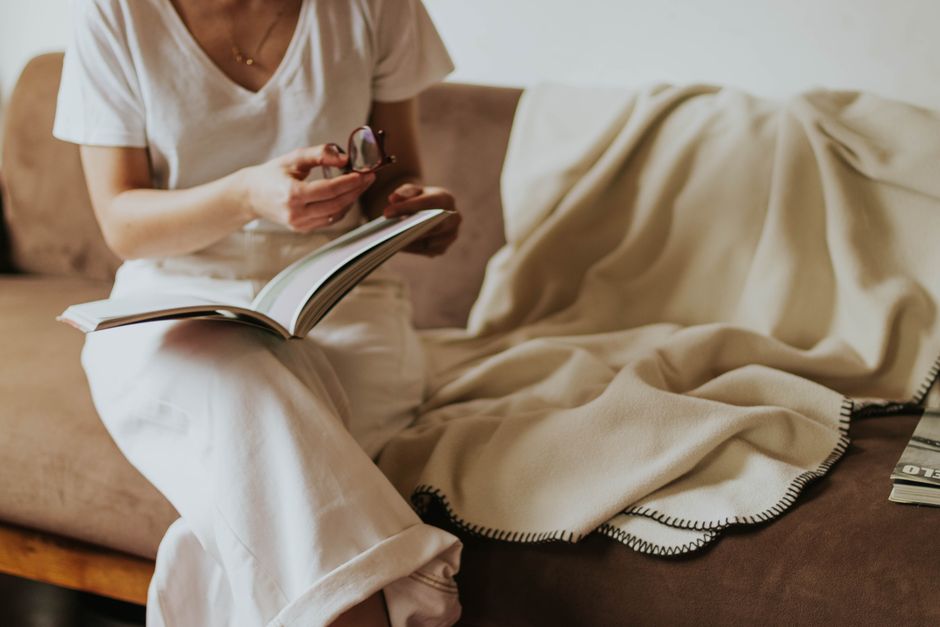
How high should the seat be?
Your feet should rest flat on the floor, with knees close to a 90-degree angle. A seat height around 17 to 19 inches works for many adults, but leg length matters more than a target number. If your feet dangle, add a footrest. If your knees sit higher than your hips, the chair is probably too low for long sessions.
Is IKEA POÄNG or IKEA STRANDMON better?
Choose IKEA POÄNG for long reading sessions and smaller rooms. The armchair-and-ottoman combination is listed around $369, and the curved frame supports a relaxed recline. The ottoman lets you change leg position without needing a large chaise. The chair is also about 26 3/4 inches wide, which makes it easier to fit beside a bookcase or window.
Choose the IKEA STRANDMON when you want a more upright, enclosed wingback shape. The Nordvalla dark gray chair is listed around $299, measures roughly 32 1/4 inches wide by 37 3/4 inches deep, and has a 17 3/4-inch seat height. It feels more substantial, but it takes more floor space. My pick is POÄNG for daily reading and STRANDMON for a larger room where visual presence matters.
When should you skip a new chair?
Do not buy a chair yet if the nook is also the only route to a closet, balcony, or child’s bed. Do not buy one if the room has no place for a lamp cord to run safely. A floor cushion, existing dining chair, or small bench can test the habit first. Comfort comes from fit and placement, not from owning a chair marketed as a reading chair.
Five Nook Mistakes That Make November Reading Less Cozy

- Putting the chair directly against the window. Cold glass, glare, and condensation can make a beautiful corner unpleasant after sunset. Leave a few inches for airflow and place the light to the side.
- Using only an overhead ceiling light. It creates shadows on the page and makes the entire room feel bright when you only need light on your book. Add a focused lamp with a shade or adjustable head.
- Choosing a table that is too small. A 10-inch surface may hold a cup, but not a book, glasses, and a phone. The IKEA LACK side table costs about $16.99 and measures 21 5/8 by 21 5/8 inches, making it a practical budget size. The smaller 13 3/4-inch version is better for a lamp-only setup.
- Buying soft furnishings before solving posture. A thick throw cannot fix a deep seat that leaves your lower back unsupported. Test the chair for 30 minutes with a real book before choosing fabric, color, or matching cushions.
- Overbuilding the nook. Shelves, baskets, candles, plants, and art can turn a reading corner into another storage zone. Keep only the books currently in progress nearby. If you need more storage, add it after a month of regular use.
The best November nook is the one you return to without thinking. Put the chair where the house feels calm, place the light over your shoulder, and keep the book within reach. Then the rainy evening that began with a stiff chair and a dark page ends with a warm drink, a comfortable back, and one more chapter before bed.