Americans generate roughly 80 billion pounds of food packaging waste each year — and summer outdoor eating contributes a disproportionate slice of that. A single family picnic, by most estimates, produces between 2 and 4 pounds of single-use waste in packaging, disposable plates, and plastic cutlery.
That number goes to zero with the right setup.
The challenge is that the zero-waste picnic market is flooded with products that are better at looking sustainable than being sustainable. Bamboo-lined-with-melamine. “Compostable” cups that require industrial composting at 140°F. Plant-based plastic bags that behave exactly like regular plastic in a landfill. The noise is considerable.
What follows is a direct, evidence-grounded look at what actually works — and what typically doesn’t.
Why Most “Eco” Picnic Products Don’t Deliver
This is a problem of definitions. “Eco-friendly,” “green,” and “sustainable” have no legal definition in the United States. Any manufacturer can print those words on packaging without regulatory consequence. “Biodegradable” is slightly more regulated, but timelines for degradation are rarely disclosed — and many biodegradable plastics require industrial composting facilities to break down at all. You won’t find one at a public park.
The products that consistently perform are the ones designed to replace disposables, not replicate them with a different material. That distinction matters more than any certification label.
Reusable Containers That Handle Real Picnic Conditions
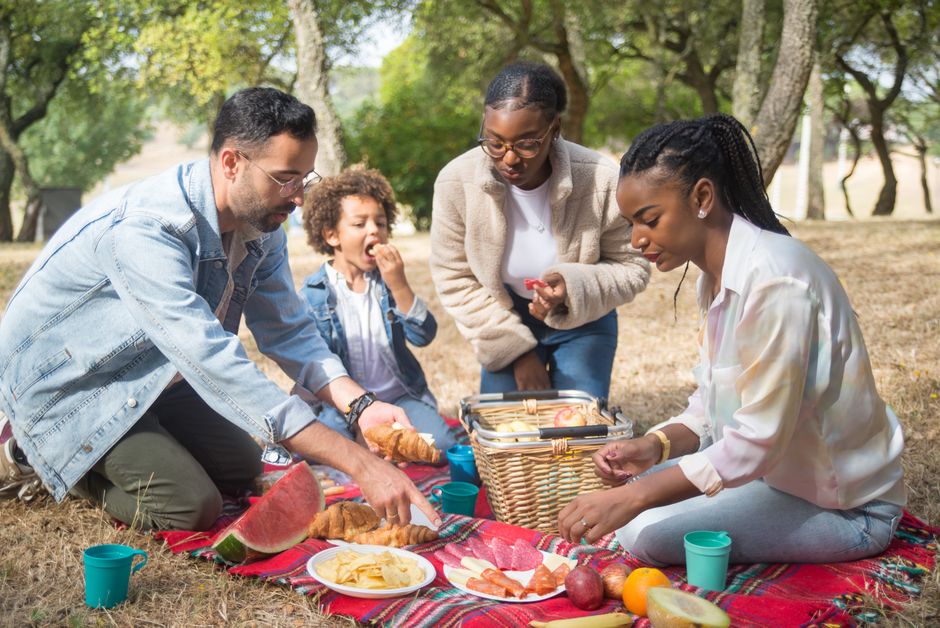
This is where zero-waste picnic kits succeed or fail. Containers need to do several things at once: seal tightly, handle temperature swings, survive being tossed in a bag, and stay light enough to carry. Most products claim all of this. Relatively few deliver it consistently.
Silicone vs. Stainless Steel: Which Performs Better?
Stasher Bags (silicone, $13–$22 per bag) are a genuine standout. They seal via a pinch-press closure that has held up through years of documented consumer use, tolerate temperatures from -4°F to 400°F, and go in the dishwasher without degrading. The half-gallon size fits a full-portion salad. Silicone’s key advantage over plastic is chemical stability at temperature extremes — it doesn’t leach plasticizers into food when cold or warm.
Stainless steel containers — the LunchBots Trio ($40, 3-compartment, 28 oz total) is the most cited option — hold their shape better under pressure in a packed cooler and clean more easily after oily or heavily dressed foods. The tradeoff is weight. A full set of LunchBots adds noticeable heft compared to silicone bags.
For most picnics, Stasher Bags are the better default. Lighter, more adaptable, and significantly easier to pack around irregular-shaped food.
What to Avoid — and Why
Bamboo containers with melamine lining are typically marketed as natural or compostable, but the interior coating is a plastic. Research has raised questions about melamine migration into food at temperatures above 70°C (158°F). These containers are generally fine for cold picnic food, but the eco framing is misleading — you’re still using plastic, just obscured by a bamboo shell.
Generic “wheat straw” containers from discount retailers are similarly inconsistent. The wheat straw composite is real, but quality control varies significantly across manufacturers. Some batches show cracking within weeks of regular use. Without a credible brand backing the product, the durability case is shaky.
Before buying any container marketed as eco-friendly, check whether the brand discloses its materials by percentage. Stasher and LunchBots both publish full material specifications. Brands that only say “food-safe materials” are typically obscuring something worth knowing.
A Note on Existing Kitchen Containers
Pyrex glass bowls with lids ($15–$25 depending on size) already sitting in most kitchens are arguably the most reliable no-leak picnic container available. Heavy, yes. But Pyrex has been in continuous production since 1915, its recycling path at end-of-life is better documented than most alternatives, and you already own it. Don’t buy a replacement for something that works.
The Biodegradable Label: What It Actually Means
This section deserves a direct look at the label landscape, because the terminology is genuinely confusing — and the stakes are higher than they appear.
| Label | Legally Defined? | What It Means in Practice | Typical Breakdown Timeline | Verdict |
|---|---|---|---|---|
| Biodegradable | No | Product will eventually break down — no conditions specified | Unknown; could be decades or centuries | Largely meaningless without a disclosed timeline |
| Compostable (ASTM D6400) | Yes | Breaks down in industrial compost within 180 days at 130°F+ | 90–180 days in industrial facility | Only useful if you have local industrial composting access |
| Home Compostable (OK compost HOME) | Yes | Breaks down in a backyard compost pile | 6–12 months with active pile | Genuinely useful — if you compost at home |
| Recyclable | Partially | Material type is recyclable somewhere in the country | Varies by municipality | Check local facilities — most mixed plastics aren’t accepted curbside |
| Plant-Based | No | Made from biological feedstocks (corn, sugarcane) | Same as conventional plastic unless certified compostable | Mostly marketing without an accompanying compostability certification |
If you don’t have access to industrial composting — and most households don’t — compostable disposables go to landfill, where they don’t degrade meaningfully. The only defensible path to zero-waste is either genuine home composting with certified home-compostable products, or skipping disposables entirely.
The practical position: skip compostable disposables at picnics unless you compost actively at home and will bring the waste back. Reusables remove the question entirely.
Zero-Waste Beverages: Keeping Drinks Cold Without Single-Use Plastic

Drinks are where picnic waste accumulates fastest — canned soda, plastic water bottles, single-serve cartons. Here’s a ranked breakdown by usefulness:
- Insulated water bottles per person: The Klean Kanteen Classic Insulated ($35 for 16 oz, $45 for 32 oz) keeps drinks cold for 20+ hours under standard conditions. Klean Kanteen has published lifecycle analyses showing their bottles offset manufacturing footprint within approximately six months of regular use — one of the few brands that has done this analysis transparently. The 32 oz size covers a full adult’s water needs for a day outing.
- Group insulated jug: The Stanley Classic Legendary Camp Jug ($55, 1.9L) is the most widely field-tested option for group picnics. Per Stanley’s published specifications, cold drinks stay cold for 32 hours. One jug serves 4–6 people. The handle and pour spout hold up to repetitive use better than most competitors at this price point.
- Glass jars for still beverages: A 32 oz wide-mouth mason jar with a silicone sleeve ($8–$12 total) handles homemade lemonade or iced tea reliably and at the lowest cost of any reusable option. Not insulated, but functional for drinks consumed within a few hours.
- Stainless tumblers over plastic cups: Avoid reusable plastic cups with straws sold in eco-picnic bundles — they typically crack or warp within a season. Hydro Flask 12 oz tumblers ($30) maintain temperature and survive routine outdoor use significantly longer.
Ice packs are a frequently overlooked waste point. Single-use ice in plastic bags is disposable by definition. Reusable gel packs like the Yeti ICEpack ($15–$25 depending on size) last years with standard care. Alternatively, freeze water in stainless bottles the night before — the ice keeps food cold, and you drink it as it melts.
Food Wrapping That Actually Seals: Common Questions
Do beeswax wraps actually hold?
For dry foods, generally yes. Bee’s Wrap Original ($18 for a 3-size set, or $5 for a single sheet) adheres using body heat and works reliably for sandwiches, cut vegetables, and cheese blocks. It does not seal liquid or heavily dressed food and degrades with heat exposure. Expect 1–2 years of use with proper care. Cold-water washing only — hot water destroys the wax coating faster than almost anything else.
Bee’s Wrap is the clearest pick in the food wrap category. The materials are disclosed (organic cotton, beeswax, jojoba oil, tree resin), the product is home-compostable at end of life, and the performance on dry foods is well-documented.
What covers wetter foods?
Stasher Bags. Beeswax wraps don’t create a liquid-tight seal, so anything dressed, marinated, or moisture-releasing needs a proper closure. A Stasher quart bag handles the majority of wet picnic foods without drama. This is not a complicated call — it’s just the right tool for the category.
What’s actually wrong with plastic wrap?
Plastic cling wrap is non-recyclable in virtually all municipal programs, single-use, and typically made from PVC or low-density polyethylene. Evidence generally indicates it contributes to microplastic accumulation in soil and water systems once it reaches landfill, which it almost always does. “Eco” versions of cling wrap have not demonstrated meaningfully better outcomes in most waste streams. Switching to reusables is the more evidence-supported position — not marginally better, substantially better.
For bulk transport — a large pasta salad, cut watermelon, anything that doesn’t fit neatly in a bag — a Pyrex bowl with a snap lid ($15–$25) is the most reliable option. Heavier, but zero-leak and genuinely reusable for decades.
What to Buy, What to Borrow, and What to Skip Entirely

The clearest recommendation here: don’t build a zero-waste picnic kit from scratch if you already have a kitchen. Most households already own the majority of what they need.
A standard home kitchen transfers directly to picnic use — its containers, utensils, bowls, and cloth towels all work outdoors. The genuine gaps are insulation for cold drinks and food, and portable cutlery if you don’t want to bring your regular silverware. That’s a narrow list.
| Item | Buy New? | Repurpose from Home? | Skip? |
|---|---|---|---|
| Food containers | Only if you have none (Stasher Bags, $13–$22) | Yes — Pyrex, Tupperware, any lidded bowl | — |
| Cutlery | Not necessary | Yes — use kitchen silverware | Skip “bamboo travel cutlery sets” — silverware from home performs better |
| Plates | Not necessary | Yes — enamel camping plates or regular ceramics | Skip compostable paper plates unless home-composting |
| Drinks | Yes: Klean Kanteen ($35–$45) or Stanley Jug ($55) | Mason jars work for still beverages | Skip plastic “reusable” cups — they don’t last |
| Food wrapping | Yes: Bee’s Wrap ($18) and Stasher Bags ($13+) | Use lidded containers instead of wrap | Skip plastic cling wrap |
| Ice packs | Yes: Yeti ICEpack ($15–$25) or freeze water bottles | Frozen water bottles work well | Skip single-use ice bags |
| Napkins | Not necessary | Yes — cloth kitchen towels or bandanas | Skip paper napkins entirely |
The minimum spend for a fully zero-waste picnic setup — assuming you already own kitchen basics — is typically $60–$90. That covers insulated bottles, Stasher Bags, and Bee’s Wrap. Everything else is either already in your kitchen or isn’t worth buying for occasional use.
The single most effective action toward a zero-waste summer picnic is not buying better products — it’s deciding at the grocery store not to buy any disposables at all.