

At 11:40 a.m., the beach bag is already hot. Sunscreen has leaked onto the towel, sand sticks to every lip balm, and the hair product you packed has turned into a sticky saltwater paste. By lunch, your carefully planned beauty kit feels like extra luggage.
The fix is not carrying more products. It is choosing formulas that match the beach itself: heat, sweat, salt, wind, repeated hand contact, and fine grit. This guide builds a small routine around those problems, with practical packing rules and a few specific products that show the trade-offs clearly. Prices are typical U.S. list prices checked for 2026 and can change by retailer.
How to pack a beach bag that keeps grit out
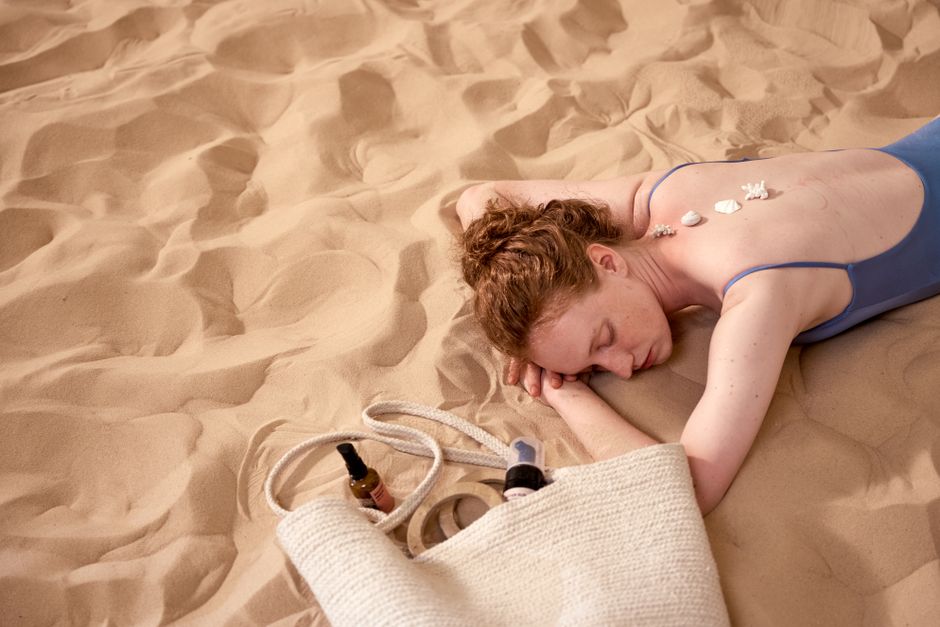
A reliable beach bag has zones. Put products into a small waterproof pouch instead of dropping them loose beside towels and snacks. Use one side for sunscreen and one side for lip and hair care. The arrangement saves time, but it also limits the number of times sand reaches a cap, nozzle, or applicator.
Use this four-step packing order
- Pack the protection layer first. Add body sunscreen, face sunscreen, lip SPF, and any product used by children. Put the items you will reapply most often near the top.
- Separate wet products from dry items. Hair spray, after-sun lotion, and used swimwear should not share a pocket with sunglasses, powder, or a phone. A sealed pouch prevents a small leak from ruining the whole bag.
- Add one clean tool. Choose a soft headband, wide-tooth comb, or small microfiber cloth. Tools reduce the urge to rub sandy fingers over your face.
- Pack a removal plan. Bring a bottle of fresh water or a few fragrance-free cleansing wipes for salt around the eyelids and mouth. Rinse or wipe first; scrubbing sand into the skin makes irritation worse.
Keep the bag small enough to manage
A beach kit should fit inside a pouch about 9 by 6 inches. That size holds several travel bottles without encouraging you to pack a full bathroom cabinet. Use travel containers only for products that you already know suit your skin. Decanting a new sunscreen into an unmarked bottle creates a real safety problem because you may forget the product name, expiration date, or SPF.
Skip glass packaging. It adds weight and creates a hazard around bare feet. Choose a flip cap or pump for liquids, then place a small piece of reusable silicone tape over the cap during transport. The tape helps with leaks and comes off cleanly when you need the product.
Which sunscreen format holds up best in sand and heat
For a full beach day, lotion wins for the first application and a compact format wins for later touch-ups. No powder, mist, or stick replaces a generous base layer on clean, dry skin. The most useful setup is one substantial water-resistant lotion for exposed body skin, one comfortable face formula, and one easy reapplication option.
Quick comparison of practical beach formulas
| Product | Format and price | Best use | Main trade-off |
|---|---|---|---|
| La Roche-Posay Anthelios Melt-In Milk SPF 60 | 150 ml, $37.99 | Body and face base layer | Larger bottle takes more space |
| Beauty of Joseon Relief Sun SPF50+ | 50 ml, about $18 | Comfortable face reapplication | Less practical for large body areas |
| Supergoop! (Re)Setting Mineral Powder SPF 35 | Brush compact, $35 | Dry touch-ups over makeup | Hard to apply enough for a first layer |
| Sun Bum Original SPF 50 Sunscreen Stick | Portable stick, about $14 | Nose, ears, cheekbones, and children | Can drag over sandy skin |
My pick for the first application
Choose La Roche-Posay Anthelios Melt-In Milk SPF 60 for a family beach day when one bottle must cover shoulders, arms, legs, and chest. The 150 ml bottle costs $37.99 and spreads more easily than a thick mineral cream. Give it time to settle before touching sand, then reapply after swimming, heavy sweating, towel drying, or at least every two hours while outdoors.
My pick for face touch-ups
Beauty of Joseon Relief Sun SPF50+, about $18 for 50 ml, feels lighter on the face than many sport lotions. It suits people who stop reapplying because a sunscreen feels greasy or pills under sunglasses. For makeup days, the $35 Supergoop! (Re)Setting Mineral Powder SPF 35 is more convenient, but treat it as a touch-up tool rather than your main sunscreen layer. A thin dusting does not equal the amount tested for the label SPF.
How to protect lips, hair, and eyes after swimming
The face gets most of the attention, but beach discomfort often starts somewhere else. Salt dries the lips, wet hair tangles around sand, and sunscreen can migrate into the eyes after a swim. Handle those areas in a simple order: rinse, dry, protect, then style.
Follow this post-swim sequence
- Rinse the face and hair. Use fresh water to remove salt and loose sand before adding more product. A small refillable bottle works when the beach shower is crowded.
- Blot, do not scrub. Pat the eyelids and cheeks with a clean cloth. Scrubbing can push grit across the skin and create tiny scratches.
- Cover the lips. Aquaphor Lip Repair Stick with SPF 30 is a sensible choice for dry or sensitive lips because it combines a protective balm texture with sun protection. Apply it before leaving home and again after eating or swimming.
- Detangle from the ends upward. Spray Sun Bum 3 In 1 Leave In onto damp lengths, not the scalp, then work through the ends with a wide-tooth comb. The 4-ounce bottle costs $16.99, while the 1.5-ounce travel size costs $6.49.
- Shield the eyes physically. Sunglasses with full UV protection and a brimmed hat reduce the amount of product and squinting your face has to manage. Eye-area sunscreen should not replace eyewear.
Pick one hair product, not three
Sun Bum 3 In 1 Leave In is the best beach-bag hair choice for most people because it detangles, conditions, and adds slip without requiring a full styling routine. If your hair is very fine, spray only the lower half and use less than you would at home. If your hair is curly or highly textured, apply in sections while the hair is damp and leave it alone afterward. Brushing dry, salt-stiff hair repeatedly creates more frizz than it removes.
Beach bag beauty questions, answered

Can sunscreen stay in a hot beach bag?
Keep sunscreen out of direct sun whenever possible. A hot bag can change the texture and make the product harder to spread, while repeated heat exposure may reduce confidence in its performance. Place the pouch beneath a towel, use an insulated lunch bag, or keep it in the shade. Never leave sunscreen in a parked car for the afternoon. Check the smell, color, and texture before use, and replace anything that has changed sharply.
Should I use powder sunscreen on sandy skin?
No. Brush loose sand away first, then use a powder only on clean, dry areas. Powder sunscreen works best as a convenient reapplication format on the forehead, nose, and cheeks, especially over makeup. It does not give reliable coverage when brushed over sweat, wet skin, or visible grit. For a proper reapplication after swimming, rinse, dry, and use lotion or a stick on the exposed areas.
What should I do if sunscreen gets in my eyes?
Move into shade and flush the eye with clean water. Do not rub, because rubbing can push sunscreen and sand across the surface. Remove contact lenses if they remain uncomfortable. Persistent pain, blurred vision, strong redness, or light sensitivity needs medical attention. To prevent the problem, leave a gap around the eyelids, apply carefully with clean fingers, and rely on sunglasses and a hat for extra protection.
What to skip, replace, or leave in the car
Some beach products fail because their packaging does not match the setting. Glass bottles can break. Open jars collect grit. Heavy oils can move into the eyes when you sweat. Aerosols need careful handling around flame and should never sit in a hot enclosed car. The safest choice is a small, labeled, leak-resistant container that you can close with one hand.
Replace these common problem items
- Replace open jars with pumps, squeeze tubes, or sticks.
- Replace a large perfume bottle with nothing; salty skin and sunscreen already create a strong beach smell.
- Replace a dry brush with a wide-tooth comb for wet, tangled hair.
- Replace an unmarked decanted bottle with the original labeled travel size.
- Replace makeup wipes used as a full cleansing routine with fresh water first, then a gentle cleanser at home.
Know when not to buy another product
Do not buy a second sunscreen because the first one feels imperfect until you have tested the amount, timing, and storage. Many beach-day failures come from applying too little, waiting until skin is already wet, or leaving the bottle in heat. The best beach bag is the one that makes correct use easy: a small number of labeled products, a shaded pouch, and enough sunscreen for generous coverage and repeat application.
The single most important beach beauty rule is simple: pack fewer products, keep them cool and clean, and make sunscreen reapplication easier than skipping it.