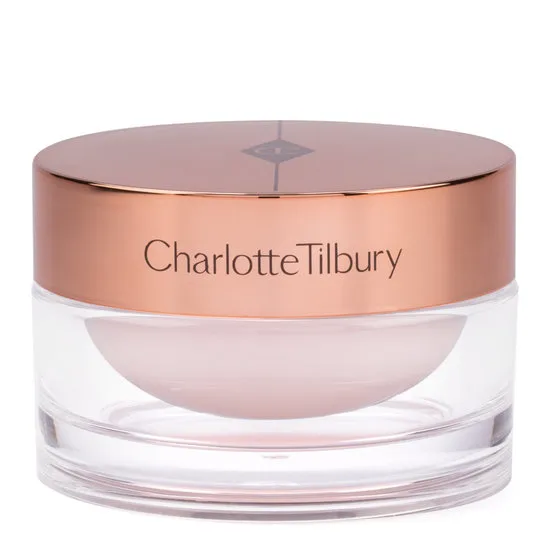

Your cheeks feel tight after cleansing, but your forehead looks shiny by lunchtime. Then the first warm afternoon arrives, and the rich cream that felt comforting in January starts to sit on your skin like a waxy film. Many people respond by scrubbing harder, adding an exfoliating acid, or dropping moisturizer altogether. That quick switch can leave skin more irritated than it was before.
Spring skin prep works best as a controlled change, not a complete reset. You usually need less occlusive texture, not less protection. You may also need to adjust cleansing, sunscreen, and the amount of moisturizer used on different parts of the face. No state law is discussed on this page. This is not legal advice — consult a licensed attorney. The skincare information below is general education, not a diagnosis or treatment plan.
How to switch to a lighter routine without weakening your skin barrier
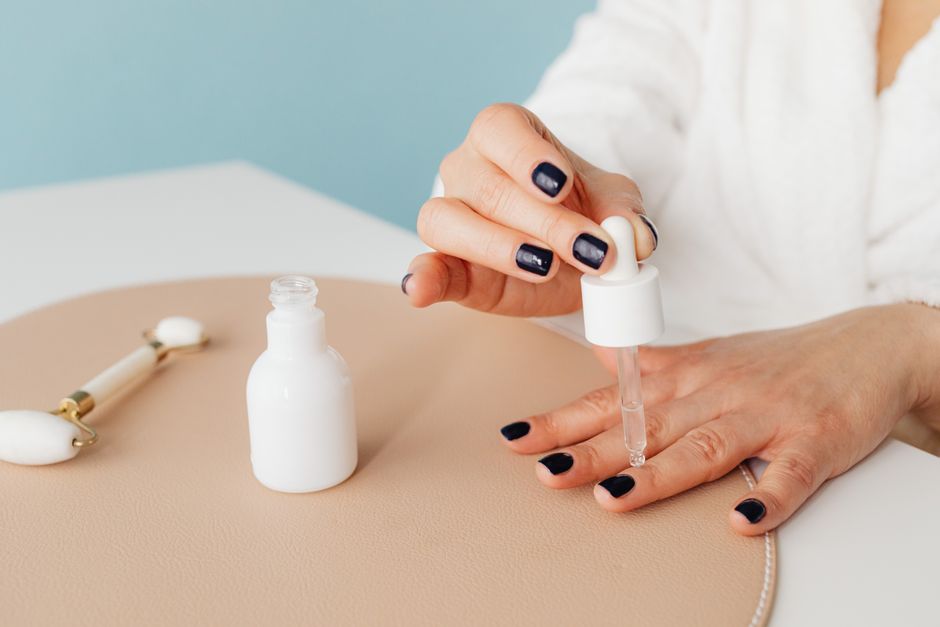
The safest spring routine changes one variable at a time. That makes it easier to identify the cause of dryness, breakouts, or stinging. A lighter routine still needs cleansing, moisture, and daytime ultraviolet protection.
- Reduce the amount before changing the product. Use a pea-sized amount of moisturizer for the face, then add a little more only to dry areas. A large layer is not automatically better.
- Move cleansing to the evening. In the morning, many people can rinse with lukewarm water or use a small amount of a gentle cleanser. Cleanse after exercise and before bed, especially if sunscreen or makeup is present.
- Keep one barrier-supporting step. Look for humectants such as glycerin or hyaluronic acid and supporting ingredients such as ceramides. Avoid changing moisturizer, cleanser, serum, and exfoliant on the same day.
- Pause strong exfoliation during the transition. If you use glycolic acid, salicylic acid, retinoids, or scrubs, reduce frequency while your skin adjusts. Burning is a warning signal, not proof that a product is working.
- Apply sunscreen as the final morning skincare step. Use a broad-spectrum SPF 30 or higher and reapply during extended outdoor exposure. A lighter moisturizer does not replace sunscreen.
- Review the routine after seven days. Check comfort, flaking, shine, clogged pores, and redness. If the face feels tight after cleansing, restore moisture before adding another active product.
This method has a practical advantage: it separates seasonal discomfort from a true product reaction. If you make several changes at once, you may not know which step caused the problem. The strongest spring skin prep is often the least dramatic one.
Which spring skincare steps should stay, change, or stop?
A useful decision is not simply thicker versus thinner. Each step has a job. Keep the steps that protect the barrier and reduce ultraviolet exposure. Change the steps that feel too heavy. Stop the steps that create pain, peeling, or repeated irritation.
| Routine step | Winter approach | Spring adjustment | Clear verdict |
|---|---|---|---|
| Cleanser | Rich or creamy cleanser at night | Use a gentle cleanser once daily if the skin feels comfortable | Keep gentle cleansing; do not chase a squeaky finish |
| Hydrating layer | Several watery layers | Use one layer with glycerin or hyaluronic acid | Keep one useful layer and remove repetition |
| Moisturizer | Thick cream over the whole face | Use a lighter layer on the forehead and nose | Zone the product instead of abandoning moisturizer |
| Facial oil | Several drops every night | Use only on dry patches, if needed | Stop full-face use if it causes heat or congestion |
| Exfoliant | Regular weekly use | Pause during irritation or cut frequency | Do not exfoliate peeling skin |
| Sunscreen | Used mainly for long outdoor days | Apply every morning to exposed skin | Keep this step and make it consistent |
The table points to one firm conclusion: spring is not the season to remove every protective layer. It is the season to remove duplication. A cleanser cannot replace moisturizer, and a moisturizer cannot replace sunscreen. If a product leaves a film but causes no discomfort, use less or reserve it for night. If it stings, causes swelling, or produces a repeated rash, stop using it rather than trying to overcome the reaction.
Which lightweight skincare products are practical for spring?
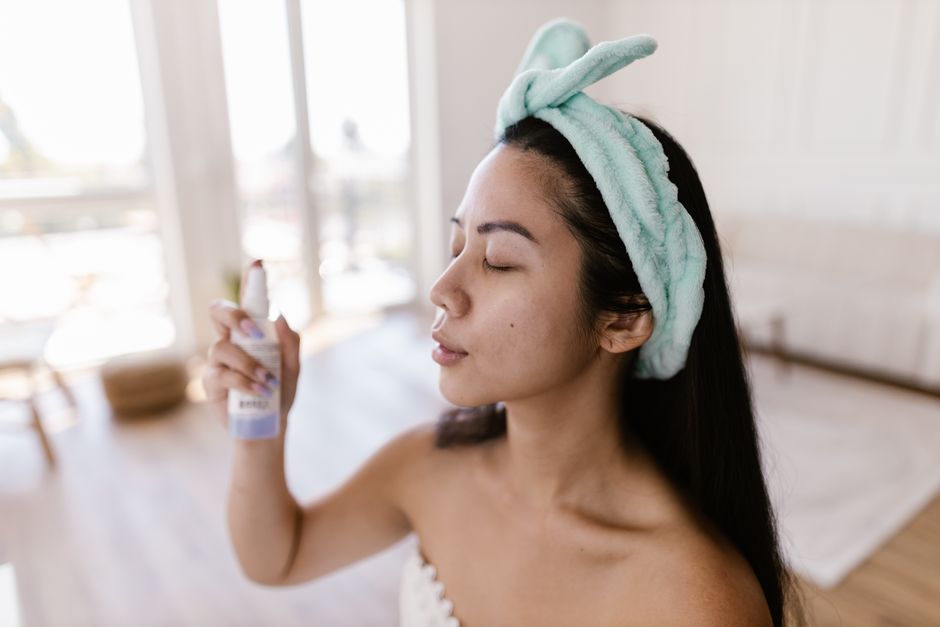
Product examples become useful after the routine logic is clear. The goal is not to collect a spring-only shelf. Choose one cleanser, one moisturizer, and one sunscreen that match the way your skin behaves.
Which cleanser is the safest starting point?
For normal, dry, or combination skin, CeraVe Hydrating Facial Cleanser in the 236 mL bottle is a strong starting example. It uses a lotion-like texture and is designed for cleansing without a foaming, stripped feeling. The best use is once at night, with lukewarm water and no rough cloth. For oily skin that needs more rinse-off power, La Roche-Posay Toleriane Purifying Foaming Cleanser is the better pick, but use it cautiously if the cheeks feel tight. My verdict: choose CeraVe for a dry or sensitive spring transition, and choose the La Roche-Posay cleanser only when excess oil is the main problem.
Which moisturizer gives light coverage without abandoning dry areas?
Vanicream Daily Facial Moisturizer comes in an 89 mL tube and offers a lighter face-cream format than a heavy ointment. The Ordinary Natural Moisturizing Factors + HA is another practical option, with 30 mL and 100 mL sizes. The larger tube makes sense for regular use on the face and neck, while the smaller size limits waste if you are testing the texture. For dry sensitive skin, Vanicream is my clearer choice because a simple formula is easier to evaluate during a seasonal change. For normal combination skin that dislikes creaminess, The Ordinary formula is the better lightweight option.
Which sunscreen feels suitable for a lighter morning routine?
Beauty of Joseon Relief Sun: Rice + Probiotics SPF50+ PA++++ is a 50 mL sunscreen with a cream-gel feel that suits people who dislike a thick finish. Isntree Hyaluronic Acid Watery Sun Gel SPF50+ PA++++ also comes in a 50 mL format and is aimed at a more hydrated, fluid texture. Both are examples, not universal prescriptions. Patch test new products, check the label for current directions, and apply enough to cover exposed skin. My verdict: Beauty of Joseon is the better choice when you want a comfortable cream texture; Isntree is the better choice when your main complaint is a heavy finish.
What is the best spring routine for dry, sensitive, and oily skin?
For most people, the best spring routine is a gentle evening cleanse, one light moisturizer, and a reliable SPF 30 or higher each morning. That combination solves the main seasonal problem without forcing every reader into the same texture or active ingredient.
Dry or sensitive skin
Use a gentle cleanser at night, then apply moisturizer while the face is slightly damp. Keep the richer product on the cheeks, corners of the nose, and lips rather than spreading a thick layer over the forehead. Vanicream Daily Facial Moisturizer is my clearest product example for this group, with CeraVe Hydrating Facial Cleanser as the more cautious cleansing match. Skip scrubs and strong acids while the skin feels raw.
Combination skin
Cleanse at night, use a small amount of moisturizer across the face, and add a second thin layer only where the skin feels tight. The Ordinary Natural Moisturizing Factors + HA is a good lightweight example for the central face. Do not treat midday shine as proof that the entire face needs drying products. Blotting paper or a gentle rinse is usually a better first move than repeated washing.
Oily or breakout-prone skin
Use the smallest comfortable amount of moisturizer and choose a sunscreen that sets without a heavy film. The Beauty of Joseon and Isntree SPF50+ PA++++ examples can work for people who prefer lighter textures, but neither product guarantees clear skin. If clogged pores persist, change one product at a time and track the response for at least one to two weeks. My clear position is simple: oily skin still needs moisture and sunscreen; removing both tends to create a harsher routine, not a smarter one.
When a lighter spring routine is the wrong choice

A lighter texture is not automatically a better routine. If your skin is cracking, peeling, or stinging after water touches it, switching to an ultra-light gel may leave you under-protected. In that situation, keep a richer moisturizer on the affected areas and reduce cleansing and exfoliation before testing anything new. The correct spring adjustment may be fewer layers, not thinner layers.
Do not buy another product when the real problem is irritation
Repeatedly buying new serums can hide the cause of a reaction. Fragrance, essential oils, acids, retinoids, sunscreen filters, or even frequent product changes can contribute to discomfort. Stop the newest nonessential step first, return to a simple cleanser and moisturizer, and seek professional advice if symptoms continue. Pain, swelling, blistering, oozing, or a rash around the eyes deserves medical attention rather than a product experiment.
Do not remove sunscreen because the weather feels mild
Cool air can still come with substantial ultraviolet exposure. A lighter routine should make sunscreen easier to wear, not optional. Apply it in the morning to exposed skin and reapply for long outdoor periods according to the label. The specific recommendation is to keep one gentle cleanser, one moisturizer matched to your driest area, and one broad-spectrum sunscreen. Change texture gradually, monitor irritation, and choose the smallest routine that keeps your skin comfortable and protected.