
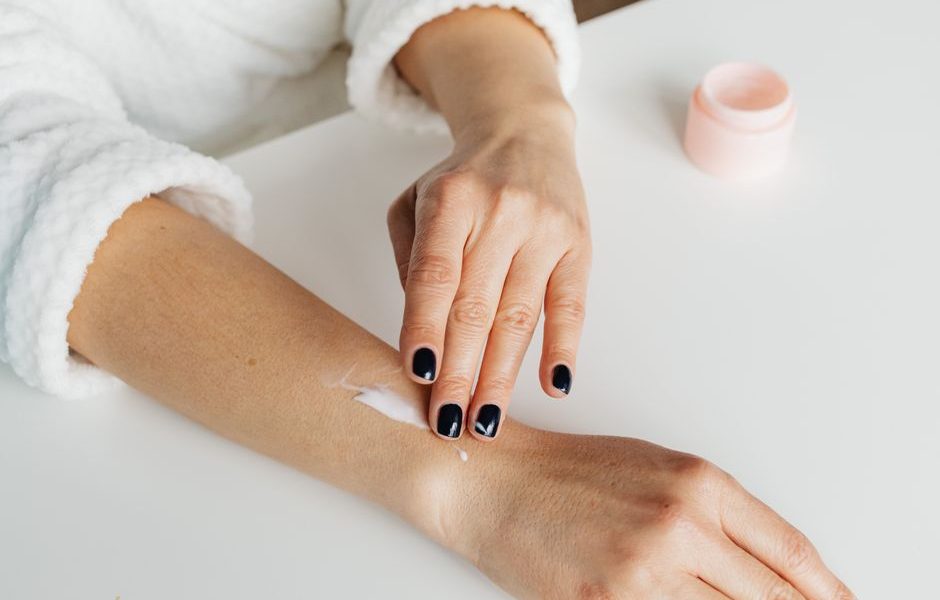
Dry winter skin is not caused by cold weather alone. Heated indoor air often pulls moisture from the skin faster than a normal moisturizer can replace it. The practical fix is not a shelf full of products. It is a short routine that reduces water loss, limits irritation, and matches the strength of each step to the problem.
Why indoor heat dries skin faster than winter air
The common misconception is that dry skin only needs more water. Water matters, but water placed on the surface can evaporate quickly if the outer skin barrier has been weakened. Indoor heating lowers relative humidity, while hot showers, foaming cleansers, and repeated hand washing remove some of the oils that slow evaporation. The result is tightness, rough patches, stinging, or fine flaking around the nose and cheeks.
What the skin barrier is doing
The outer layer of skin works like a wall made from skin cells and protective lipids. Ceramides, cholesterol, and fatty acids help fill the spaces between those cells. A healthy barrier keeps water inside and helps block irritants outside. Winter conditions create more opportunities for that wall to lose water, especially on the lips, hands, eyelids, and lower legs.
That is why a heavy cream can feel helpful for one person and uncomfortable for another. The texture does not repair every cause of dryness. A cream may slow water loss, but it cannot fix a cleanser that leaves the face squeaky or a shower that lasts 20 minutes in very hot water.
The target is less water loss, not a greasy face
A gentle winter routine should do three jobs: clean without stripping, add water-binding ingredients, and seal the surface where dryness is strongest. Humectants such as glycerin and hyaluronic acid attract water. Emollients smooth rough spaces between skin cells. Occlusives such as petrolatum form a thin shield that slows evaporation. The strongest routine uses all three roles in a measured way.
Indoor humidity also matters. A small hygrometer can show whether a bedroom sits near 30 percent relative humidity or closer to 45 percent. The American Academy of Dermatology often recommends keeping indoor humidity in the 30 to 50 percent range. Higher readings can encourage mold, so turning a humidifier to its highest setting is not a safe automatic fix.
How to build a gentle winter routine in five steps
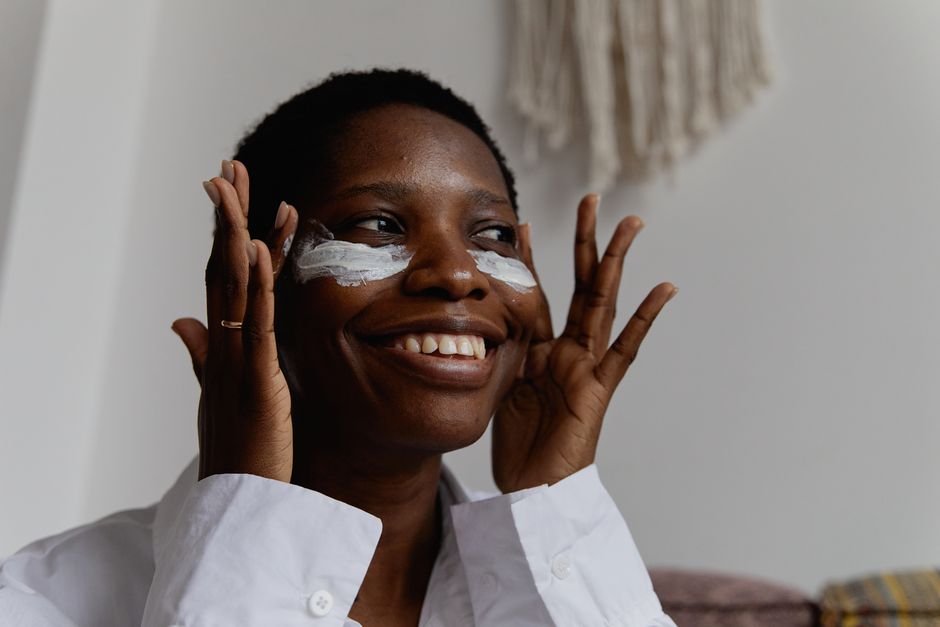
My clear recommendation: change the order and timing of your routine before adding stronger ingredients. A basic morning and evening sequence solves more winter dryness than frequent exfoliation.
A five-step order that limits irritation
- Clean briefly. Use lukewarm water and cleanse only where sweat, sunscreen, or makeup requires it. In the morning, many dry-skinned people can rinse with water instead of washing the entire face.
- Apply moisture to slightly damp skin. Do not wait until the face feels completely dry. A damp surface gives humectants a better starting point.
- Add a barrier-supporting cream. Look for glycerin, ceramides, squalane, petrolatum, dimethicone, or fatty alcohols. A cream usually protects better than a light gel in heated rooms.
- Seal only the dry zones. Use a thin layer of petrolatum on lips, nostrils, eyelids if tolerated, or cracked knuckles. A full-face seal can feel too heavy and may worsen congestion for some people.
- Use sunscreen in daylight. Winter ultraviolet exposure still reaches skin through windows and outdoor activities. Choose a broad-spectrum SPF 30 or higher that does not sting.
How to adjust the routine at night
At night, keep the cleansing step short and use the richest texture on the areas that crack or flake. A useful test is the morning-after check: if the skin feels comfortable and not coated, the amount was reasonable. If it feels tight, add more cream or reduce cleansing. If it feels hot, itchy, or congested, remove one new product rather than layering another over it.
Do not introduce a retinoid, acid exfoliant, scrub, and new fragrance product in the same week. That makes it impossible to identify the source of irritation. Winter is a poor time to chase instant smoothness with several active ingredients at once.
Which moisturizer types make sense for dry indoor air?
The products below are comparison examples, not endorsements or purchase links. Reference prices are approximate U.S. shelf prices for common package sizes in 2026; store, region, promotions, and package size can change the number. Insurance shoppers can compare AM Best ratings and J.D. Power scores because those systems provide outside signals. Skincare has no identical shared rating system, so ingredient lists, package size, tolerability, and return policies matter more than a polished claim on the front label.
| Product | Approximate size and price | Useful role | Main caution |
|---|---|---|---|
| CeraVe Hydrating Facial Cleanser | 12 fl oz, about $14.99 | Non-foaming daily cleanser with ceramides and hyaluronic acid | Still may feel drying if used with hot water or too often |
| Vanicream Moisturizing Cream | 16 oz, about $13.99 | Thick barrier cream for face, hands, and body | Heavy texture may feel greasy on acne-prone facial skin |
| La Roche-Posay Toleriane Double Repair Face Moisturizer | 2.5 fl oz, about $24.99 | Face lotion with ceramide support and a lighter finish | Price per ounce is higher than a body cream |
| Aveeno Skin Relief Moisturizing Lotion | 18 fl oz, about $11.99 | Large body-lotion format for itchy, dry arms and legs | May not feel rich enough for deep cracking |
| Aquaphor Healing Ointment | 1.75 oz, about $7.99 | Occlusive layer for lips, cuticles, and small cracked areas | Can feel sticky and may not suit every facial area |
The clearest pick by problem
For widespread body dryness, Vanicream Moisturizing Cream offers the strongest value because the 16-ounce tub spreads barrier support across a large area. For a lighter facial option, La Roche-Posay Toleriane Double Repair is the more practical choice. For cracks on lips or knuckles, Aquaphor is the most direct tool because its main job is slowing water loss, not adding a complex blend of actives.
When not to buy a richer cream
Do not buy a heavier product simply because winter has arrived. If your face is comfortable, a lighter lotion may be enough. If a cream causes burning, redness, or a sudden rash, stop using it. A higher price does not prove better protection, and a large container is poor value if the texture makes you avoid applying it.
What mistakes make winter dryness worse?
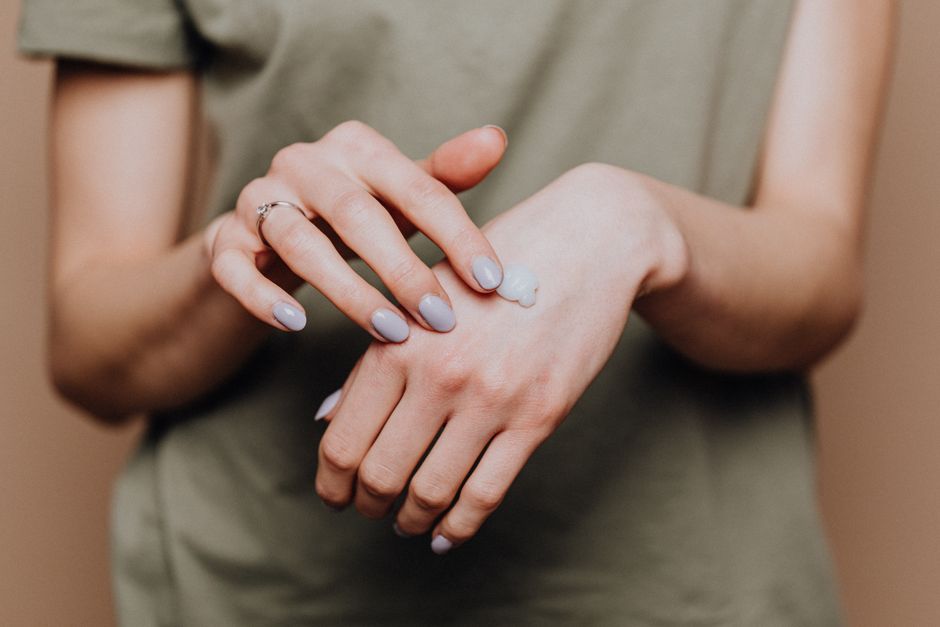
Most winter skincare failures come from a routine that is too aggressive, too crowded, or poorly timed. The product may not be the main problem.
Does hot water help dry skin?
No. Hot water can feel soothing for a few minutes, but it removes surface oils faster than lukewarm water. Keep showers around five to ten minutes, pat the skin dry instead of rubbing, and apply body moisturizer within a few minutes. That timing matters because water left on the surface evaporates quickly in heated air.
Can exfoliation fix flaking?
Usually not. Flakes often signal a weakened barrier, not a need for more scrubbing. Physical scrubs, cleansing brushes, and strong acid toners can create a cycle: the surface looks smoother for a day, then becomes tighter and more reactive. Pause exfoliation for one to two weeks when the skin stings or cracks. Resume only when plain moisturizer no longer burns.
What should be excluded from the routine?
Exclude fragrance-heavy products, essential oils, alcohol-heavy toners, and several new actives at once when the skin is already irritated. “Natural” does not mean non-irritating. Citrus oils, menthol, and peppermint can sting compromised skin. Patch-test a new product on a small area for several days before applying it broadly. The same exclusion rule applies to children: adult acne treatments and scented body products do not belong in a child’s winter routine without professional guidance.
When dry skin needs medical care instead of another product

My strongest recommendation is to stop shopping when the skin is painful, inflamed, or repeatedly cracking. More moisturizer is not the right answer for every rash. A simple winter routine can support the barrier, but it cannot identify eczema, contact dermatitis, psoriasis, infection, or an allergic reaction.
Signs that call for a clinician
Seek medical advice for spreading redness, swelling, pus, yellow crusts, deep bleeding cracks, severe itching that disrupts sleep, or a rash that does not improve after one to two weeks of gentle care. Get urgent help for facial swelling, breathing problems, or rapidly worsening symptoms. Infants, older adults, and people taking medicines that affect the immune system may need a lower threshold for professional care.
When not to keep testing products
Stop rotating products if every new cream creates a new reaction. Use the simplest routine you can tolerate: lukewarm water, a mild cleanser only when needed, one fragrance-free moisturizer, and sunscreen during daylight. Keep a short record of what touched the skin and when symptoms appeared. That information is more useful to a clinician than a crowded bathroom shelf.
A gentle winter routine should leave the skin calm, flexible, and comfortable through the day. If it leaves a film that you dislike, simplify it. If it leaves burning or persistent redness, treat that as a warning rather than a challenge to find an even stronger cream.