
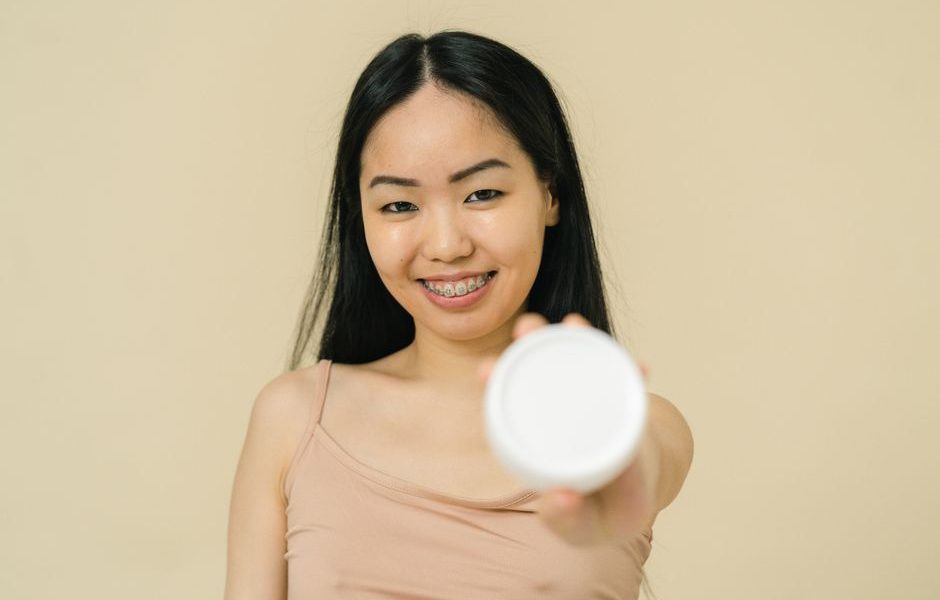
The outermost layer of facial skin is only about 10 to 20 micrometres thick, yet it has to handle sun, sweat, wind, dry indoor air, and repeated cleansing. That is why the jump from a shiny summer face to tight early-autumn skin can happen within days. The fix is not a shelf full of richer creams. It is a controlled switch: reduce irritation first, add water and lipids second, and keep sunscreen in place. Follow these five steps and your skin can stay clear without losing the comfort that summer humidity gave you for free.
How to switch your routine in five controlled steps

Do this over 10 to 14 days. A sudden jump from gel cleanser, toner, serum, mask, and sunscreen to a heavy balm is how clogged pores and irritation arrive together.
1. Keep morning cleansing gentle
- Rinse with lukewarm water if your face feels comfortable in the morning.
- Use a low-foam cleanser only after sweaty exercise or when you wake up oily.
- Pat dry instead of rubbing with a towel.
2. Add water before adding weight
Apply moisturizer within one minute of washing. Damp skin gives the product a better starting point, but dripping-wet skin can make application messy and uneven. If your face feels comfortable after ten minutes, do not add another layer just because autumn has arrived.
3. Keep sunscreen as the last morning step
Use a broad-spectrum SPF 30 or higher every morning. Summer sun does not vanish in September, and visible light and ultraviolet exposure still reach skin on bright, cool days. Beauty of Joseon Relief Sun: Rice + Probiotics SPF50+ PA++++, 50 ml, feels lighter than many autumn creams, so it works well when you want comfort without a greasy finish.
4. Reduce exfoliation before you increase cream
Move from frequent acids to once weekly, or stop for a week if the skin stings. Do not use a scrub to remove flakes. Flakes are often a warning that the surface needs less friction, not more.
5. Add richness only where it is needed
Keep gel or lotion on the forehead and nose. Put a cream on the cheeks, mouth corners, and any area that feels tight. This split application costs less, feels better, and lowers the chance of congestion.
The practical rule is simple: add one change every three or four days. If redness or burning appears, return to the last comfortable routine instead of trying to overpower the reaction with another product.
Which autumn products actually earn a place?
Most seasonal routines need three jobs covered: remove sunscreen without stripping, add water and barrier-supporting ingredients, and protect the face during the day. Product names matter here because formulas that sound similar can behave very differently on the skin. These are useful reference points, not a shopping list.
Best cleanser for a dry, tight face
CeraVe Hydrating Facial Cleanser, 236 ml, is the safest starting point for skin that feels tight after washing. It uses a lotion-like texture and includes ceramides and hyaluronic acid. It will not give the squeaky feeling that many foaming cleansers create, and that is the point. For heavy makeup or water-resistant sunscreen, remove the first layer with a cleansing oil or micellar water, then use the cleanser briefly. Do not massage it for two minutes.
Best light moisturizer for combination skin
Vanicream Daily Facial Moisturizer, 89 ml, is the better pick when cheeks feel dry but the T-zone still becomes shiny. It contains ceramides, squalane, and hyaluronic acid without the thick finish of an ointment. Apply a pea-sized amount to the whole face, then add another half-pea only to the cheeks if needed. If the product pills under sunscreen, you used too much or did not give the first layer time to settle.
Best support for easily irritated skin
La Roche-Posay Toleriane Dermallergo Fluid, 40 ml, suits a routine that needs to stay short. It is a light moisturizer for people who react to fragrance or a crowded ingredient list. The tradeoff is obvious: it may not feel rich enough for very dry skin in heated rooms. For that group, CeraVe Moisturizing Cream in the tub gives more occlusive comfort, but it can feel heavy on acne-prone areas.
Best active when redness and uneven tone remain
The Ordinary Azelaic Acid Suspension 10%, 30 ml, is the product to consider after the barrier feels calm, not while the face is burning or flaking. Azelaic acid can help with the look of redness and uneven tone, but its silicone-heavy texture can pill and feel dry. Use a small amount at night two times a week, after moisturizer if you are sensitive. Skip it during a flare.
For most people, the strongest autumn lineup is CeraVe Hydrating Facial Cleanser, Vanicream Daily Facial Moisturizer, and a reliable SPF. Add the other products only when a specific problem remains. Do not buy a new active to solve a barrier problem.
Autumn skincare mistakes that create the problems you are trying to fix

Early autumn irritation usually comes from a routine that changes too fast. The face does not care that a product has a seasonal label. It responds to friction, strong actives, fragrance, heat, and too much product.
Should you use a stronger exfoliant for autumn dullness?
No. If the face feels tight, rough, or stings when water touches it, stop exfoliating for at least seven days. A stronger acid may make the surface look smoother for a short time while increasing redness and flaking later. Restore comfort first. Dullness can wait.
Should you switch to a heavy night cream immediately?
No. Heavy cream is not a repair strategy by itself. If the cheeks need more protection, apply a thin layer of moisturizer and seal only the driest spots with a small amount of petrolatum. Do not coat an oily forehead just because the weather changed.
When should you buy nothing?
Buy nothing when your current cleanser, moisturizer, and sunscreen leave the skin calm. A product that works in September is not less valid because a new autumn launch has appeared. Also skip a new formula if you cannot patch test it or if the label hides fragrance under a broad perfume blend and your skin reacts easily.
The biggest failure mode is changing several variables at once. If you add a toner, retinoid, exfoliant, oil, and cream in the same week, you lose the ability to identify the trigger. Make the routine boring until the skin feels predictable again.
The best autumn routine is a smaller routine

My opinion: most people should remove one product before adding one. Summer routines often collect layers because sweat, sunscreen, and humidity make them feel pleasant. Autumn exposes which layers were useful and which ones were simply habit.
Morning: protect and keep the finish comfortable
Rinse or use a gentle cleanser. Apply a light moisturizer where the skin feels dry. Finish with broad-spectrum sunscreen. Beauty of Joseon Relief Sun SPF50+ is a reasonable light-texture option, while a mineral sunscreen may suit people who react to some chemical filters. The best sunscreen is the one you can apply generously without avoiding your face because it feels unpleasant.
Night: clean, cushion, and stop
Remove sunscreen, cleanse briefly, and apply moisturizer. Use Vanicream Daily Facial Moisturizer for a balanced finish or La Roche-Posay Toleriane Dermallergo Fluid for a lighter, low-fuss routine. Add a richer cream only on dry patches. Leave retinoids and exfoliating acids out until the skin has stayed calm for several nights.
When a different choice is smarter
Choose a richer cream instead of a light fluid if your cheeks crack or feel tight soon after moisturizing. Choose a light lotion instead of a rich cream if you wake up greasy or develop closed bumps. Choose no new product at all if the problem is a hot shower, a rough towel, or cleansing twice every morning. Products cannot outwork repeated irritation.
Keep the routine stable for two weeks before judging it. Comfort, fewer flakes, and less stinging matter more than a temporary glassy finish.
The most important takeaway is this: move from summer to autumn skincare by reducing irritation first, then adding only the moisture your skin actually needs.