
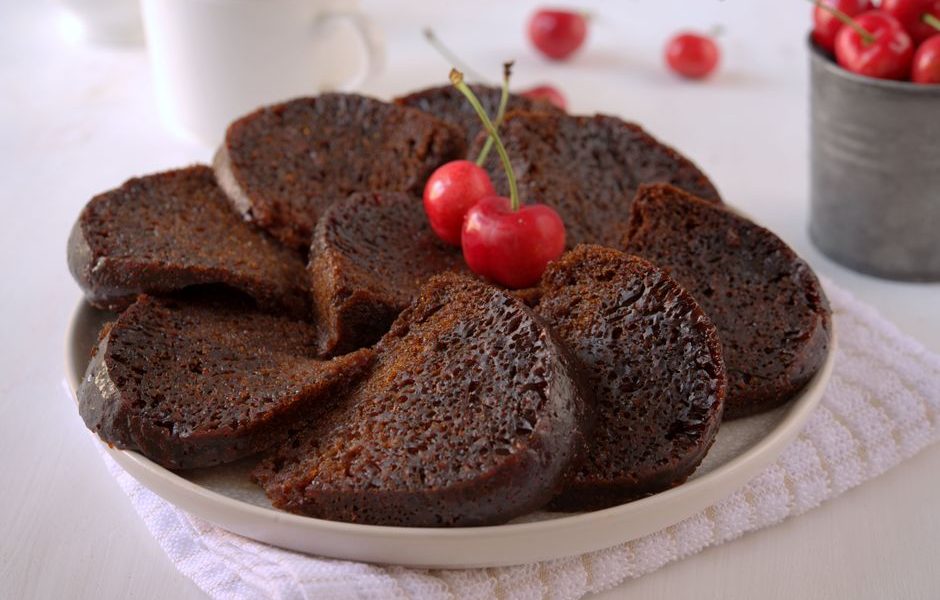
Need a warm chocolate dessert before the craving gets loud? A mug cake can go from pantry to spoon in under ten minutes, but only if you use the right balance of flour, cocoa, liquid, and microwave time. The goal is a soft center, a cooked surface, and enough chocolate flavor to feel like dessert rather than sweetened bread.
Why can a mug cake cook in under ten minutes?
The small portion is the real shortcut
A full cake takes time because heat must travel through a deep, heavy mass of batter. A mug cake uses about one serving of batter in a shallow cup, so the microwave can heat the center quickly. You are not making a smaller version of a layer cake. You are making a fast steamed cake with a tender crumb and a short cooking window.
That distinction explains the texture. A mug cake should feel moist and soft when you take the first bite. It will not have the dry edge, firm crust, or tall structure of an oven-baked cake. Adding more flour to make it look thicker usually creates a dense result.
What ten minutes includes
The cooking itself often takes 60 to 90 seconds. The rest of the time covers measuring, mixing, checking the center, and letting the cake rest. This table shows realistic timings for three useful versions.
| Version | Preparation | Microwave time | Rest time | Expected texture |
|---|---|---|---|---|
| Classic chocolate | 4 minutes | 75 to 90 seconds | 2 minutes | Soft and cake-like |
| Gooey chocolate center | 4 minutes | 60 to 70 seconds | 2 minutes | Moist with a soft middle |
| Egg-free banana chocolate | 5 minutes | 80 to 95 seconds | 2 minutes | Dense, tender, and less sweet |
The best target is a 75-second cook followed by a two-minute rest. That short pause lets trapped heat finish the middle without turning the outside tough.
What ratio keeps chocolate mug cake soft?
Balance flour with cocoa and sugar
The most reliable base uses 4 tablespoons of plain flour, 2 tablespoons of unsweetened cocoa powder, 2 tablespoons of sugar, and 1/4 teaspoon of baking powder. This amount gives the cake enough structure to rise without creating a dry block. Cocoa powder absorbs liquid, so it needs support from milk and oil.
Do not pack the flour into the spoon. Scoop it lightly into the measuring spoon and level the top with a knife. One packed tablespoon can add several extra grams of flour, which matters in a single-serving recipe. That small error often causes the rubbery texture people blame on the microwave.
Use enough liquid and fat
Add 4 tablespoons of milk and 1 tablespoon of neutral oil. The milk hydrates the flour and cocoa, while the oil keeps the crumb soft after cooling. Melted butter works too, but it gives a slightly firmer edge because butter contains water and milk solids. Use oil when your priority is a tender cake; use butter when you want a richer flavor.
Stir the batter only until no dry streaks remain. Vigorous mixing develops the flour and makes the cake chewy. A few tiny lumps are harmless. A dry pocket of cocoa is not, so scrape the bottom and corners of the mug before cooking.
Pick the right mug
Use a microwave-safe mug that holds at least 12 ounces. The batter should fill no more than half the cup before cooking. A wide mug cooks more evenly than a narrow, tall one because the center sits closer to the sides. Avoid metal trim, cracked ceramic, and very thin glass. The mug can become hot even when the cake looks underdone.
For the strongest result, mix the dry ingredients first. Then add the milk, oil, and 1/2 teaspoon of vanilla. This order prevents cocoa clumps and gives the baking powder a more even spread.
How do you make a chocolate mug cake in ten minutes?
The seven-step method
- Add 4 tablespoons of plain flour, 2 tablespoons of unsweetened cocoa powder, 2 tablespoons of sugar, 1/4 teaspoon of baking powder, and a small pinch of salt to a 12-ounce microwave-safe mug.
- Stir the dry ingredients until the cocoa looks evenly distributed.
- Pour in 4 tablespoons of milk, 1 tablespoon of neutral oil, and 1/2 teaspoon of vanilla extract.
- Mix with a fork, scraping the base and sides, until the batter looks smooth.
- Leave at least 2 inches of space above the batter so the cake can rise without spilling.
- Microwave on high for 75 seconds. If the center still looks liquid, cook in 10-second bursts.
- Rest the mug for 2 minutes before eating. The center continues to set during this pause.
How to judge doneness
Look for a risen top with a slightly moist center. The surface should not shimmer with raw batter, but it also should not look dry and cracked from edge to edge. Insert a toothpick near the side rather than directly in the middle. A few moist crumbs mean the cake is ready. Wet batter means it needs another 10 seconds.
Microwave power changes the timing. A 700-watt microwave may need close to 100 seconds, while a 1,200-watt model may finish in 60 to 70 seconds. Start with less time because overcooking cannot be reversed. If your microwave has a rotating plate, place the mug slightly off-center for more even heating.
Which cocoa powder gives the best chocolate flavor?
Does natural cocoa or Dutch-process cocoa work better?
Both work, but they produce different results. Natural cocoa has a sharper, more familiar chocolate taste and pairs well with baking powder. Dutch-process cocoa tastes smoother and darker, with less bite. For a classic family-friendly mug cake, choose natural cocoa. For a deeper dessert flavor, choose Dutch-process cocoa and add a pinch of salt to keep the sweetness balanced.
The cocoa should be unsweetened. Hot chocolate mix contains sugar, milk powder, and sometimes starch, so replacing cocoa with it changes the recipe balance. The cake may turn overly sweet while still tasting weakly chocolatey.
Which packaged cocoa examples fit the recipe?
Three widely available examples show the range of options. Hershey’s Natural Unsweetened Cocoa, 8 ounces, gives the sharpest and most familiar flavor. Ghirardelli 100% Unsweetened Cocoa, 8 ounces, tastes fuller and works well when you want a richer finish. Droste Cocoa Powder, 8.8 ounces, is Dutch-process cocoa with a smooth, dark profile.
For a clear recommendation, use Hershey’s Natural Unsweetened Cocoa when children or mixed-age guests will eat the cake. Choose Ghirardelli for the most balanced everyday version. Choose Droste when you plan to add coffee, banana, or a dark chocolate center. The brand matters less than using unsweetened cocoa and measuring the two tablespoons accurately.
Why do mug cakes fail, and when should you skip one?
Fix the common failure modes
- Rubbery cake: The batter cooked too long or contained too much flour. Reduce the first cooking time by 10 seconds and measure flour lightly.
- Dry edges: The mug is too narrow, the power is high, or the cake sat in the microwave after cooking. Use a wider mug and remove it as soon as the surface sets.
- Raw center: The batter is too deep or the microwave heats unevenly. Use a wider 12-ounce mug and finish in 10-second bursts.
- Weak chocolate flavor: The cocoa may be old, sweetened, or overwhelmed by too much flour. Use fresh unsweetened cocoa and add a pinch of salt.
- Overflow: The mug is too small or the baking powder was overmeasured. Keep the batter below half the mug’s capacity.
When a mug cake is the wrong dessert
Skip the mug cake when you need to feed more than two people, prepare dessert ahead of time, or decorate a cake. The texture peaks while warm and becomes firmer as it cools. A small oven-baked cake gives better structure for leftovers, while brownies work better when you want a chewy center that survives refrigeration.
For one person who wants chocolate quickly, the classic recipe remains the strongest choice: 4 tablespoons of flour, 2 tablespoons of cocoa, 2 tablespoons of sugar, 4 tablespoons of milk, 1 tablespoon of oil, and 75 seconds in the microwave. Use a wide 12-ounce mug, stop cooking when moist crumbs remain, and wait two minutes before eating. That combination gives the most reliable under-ten-minute chocolate mug cake with the lowest risk of a dry or rubbery center.