Early summer drinks should taste sharp, cold, and lightly herbal, not like melted candy with a few green leaves floating on top. This is not financial advice: the APR range for a pitcher is not applicable, the annual fee is $0, and the useful numbers are water volume, steeping time, sugar, and lemon juice.
How to choose herbs that taste bright, not grassy
The best fresh herb lemonades and iced teas use herbs as a clear flavor layer, not as decoration. Lemon already brings acid and aroma. Tea brings tannin, bitterness, and structure. Herbs should connect those two parts without covering them.
Match soft herbs with sharp citrus
Mint is the safest starting point because its cool flavor cuts through sugar and makes a drink taste colder than it really is. Spearmint gives a gentle sweetness; peppermint tastes stronger and can dominate a small pitcher. Use 12 to 18 medium spearmint leaves for 2 quarts of lemonade or iced tea. Basil works best with lemon, strawberry, peach, or cucumber. Start with 10 to 12 leaves and tear them once with your hands. Tearing releases aroma without turning the drink cloudy as quickly as hard muddling. Lemon verbena gives a clean, lemon-peel flavor and pairs well with green tea. Use 8 to 10 leaves because its perfume builds fast.
Use woody herbs with restraint
Rosemary and thyme can make a drink taste sophisticated, but they are easy to overdo. Add one 4-inch rosemary sprig or four small thyme sprigs to a warm simple syrup, then remove them after 5 minutes. Do not leave woody herbs in the finished pitcher for hours. Their flavor keeps extracting and can turn medicinal. Lavender needs even more control: use one small teaspoon of dried culinary lavender for 2 quarts, steep for no more than 4 minutes, and strain it completely. The clear winner for a first batch is mint. It has the widest margin for error and works with lemonade, black tea, green tea, and sparkling water.
The 2-quart base ratio that keeps lemonade balanced
A good pitcher starts with a repeatable ratio. Guessing from the size of a lemon or pouring sugar straight into cold water creates uneven results. A 2-quart batch gives enough room for testing and serves about eight 8-ounce glasses over ice.
Use this lemonade formula
Combine 1 1/2 cups fresh lemon juice, 5 cups cold water, and 1 cup simple syrup. For the syrup, heat 1 cup water with 1 cup granulated sugar until the crystals dissolve, then cool it. This produces a drink that tastes sweet enough over melting ice without becoming syrupy in the refrigerator. Add the lemon juice after the syrup cools. Heat can flatten the lemon aroma.
| Ingredient | Amount for 2 quarts | Why it matters |
|---|---|---|
| Fresh lemon juice | 1 1/2 cups | Provides acid and a clean finish |
| Cold water | 5 cups | Controls strength and dilution |
| Simple syrup | 1 cup | Blends evenly into the liquid |
| Fresh mint or basil | 10 to 18 leaves | Adds aroma without taking over |
| Ice | 3 to 4 cups per serving bowl | Chills the drink without watering the pitcher |
Adjust the drink in the correct order
Taste the lemonade before adding extra sugar. If it tastes flat, add 1 tablespoon lemon juice at a time. If it tastes too sharp, add 2 tablespoons water before adding more syrup. Sugar can hide excessive acid, but it cannot restore a clean finish. For a less sweet family pitcher, start with 3/4 cup syrup. For a picnic drink served over a large amount of ice, use the full cup. The winning move is to chill the base first and add ice only when serving.
Build iced tea without bitterness or cloudy flavor
Iced tea fails for two predictable reasons: the tea steeps too long, or the hot concentrate meets very cold water too fast and turns harsh. The fix is simple. Brew a strong concentrate, control the clock, and dilute it with cold water before adding herbs.
Use a timed brew
- Bring 3 cups of water to a boil for black tea, or heat water to about 175 to 185°F for green tea.
- Add 6 black tea bags or 8 green tea bags to the hot water.
- Steep black tea for 4 minutes, or green tea for 2 1/2 minutes.
- Remove the bags without squeezing them. Pressing the bags releases extra tannin.
- Stir in 3/4 cup simple syrup while the concentrate is warm.
- Add 5 cups cold water and chill the tea for at least 2 hours.
- Add herbs during the final 20 to 30 minutes, then strain them out before serving.
Choose the right herb for the tea
Black tea can handle mint, lemon verbena, basil, and a small rosemary sprig. Green tea needs lighter flavors, so use lemon verbena, mint, cucumber, or a few basil leaves. Do not pair green tea with a large amount of rosemary or lavender unless you want a dry, perfumed drink. For caffeine-free iced tea, brew rooibos or chamomile separately and use the same dilution method. Chamomile pairs with honey, lemon, and mint; rooibos works with orange peel, basil, or peach.
My practical verdict is firm: brew herbs in the cooled tea, not in boiling water. A short cold infusion keeps the flavor fresh and reduces the grassy taste that makes homemade drinks seem unfinished.
The early-summer verdict: mint wins
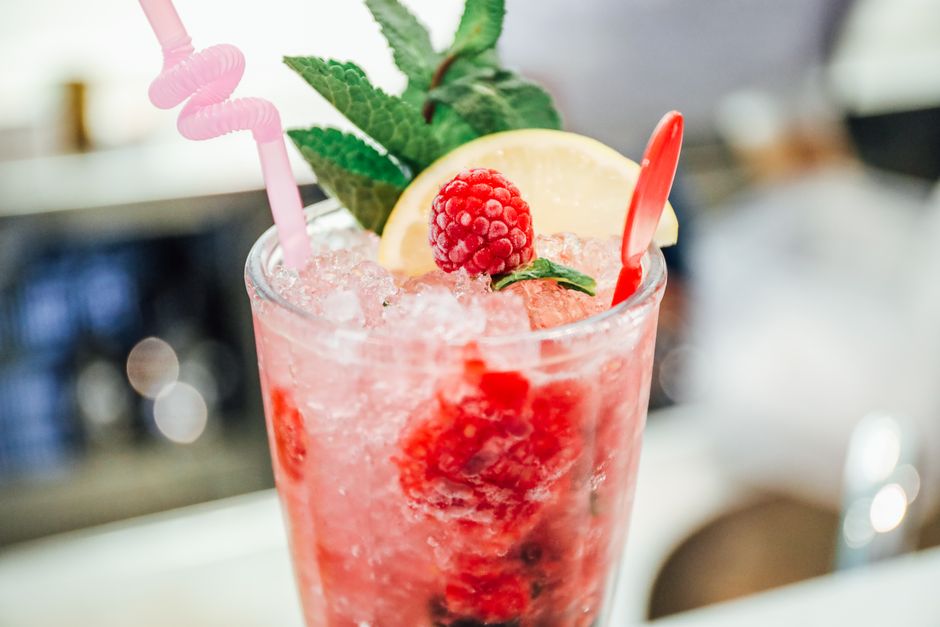
For one pitcher that has to please children, adults, and guests, choose spearmint lemonade. Use 14 leaves, 1 1/2 cups lemon juice, and 3/4 cup syrup for 2 quarts. It tastes fresh without requiring a specialty ingredient, and it still works after the drink sits for an hour. Basil is the more interesting choice for a dinner table, but mint is the better first batch.
Budget the pitcher like a skeptical shopper

Do not buy a countertop drink system for this job. A saucepan, fine strainer, citrus reamer, and a clean pitcher do the work. The best financial decision is to spend on lemons and herbs before spending on equipment. A 2-quart drink can stay inexpensive when the recipe uses seasonal produce and a tea already in the cupboard.
Compare the real kitchen inputs
| Item | Useful specification | Best use |
|---|---|---|
| Lipton Black Tea | 100-count box; standard black tea bags | Large, sturdy family pitcher |
| Twinings Earl Grey | 20 tea bags; bergamot-forward black tea | Lemon-forward afternoon tea |
| Harney & Sons Japanese Sencha | 20 sachets; green tea base | Light, less sweet iced tea |
| Ball Wide Mouth Pint Jar | 16-ounce glass jar | Make-ahead single servings |
| OXO Good Grips citrus squeezer | Handheld tool for fresh juice | Frequent lemonade batches |
Set a reasonable per-glass target
For a home batch, aim for roughly $4 to $8 in ingredients for 2 quarts, depending on lemon prices and the herbs you already have. That works out to about $0.50 to $1 per 8-ounce glass before ice. The exact amount changes by region, so treat it as a planning range, not a live quote. APR range: not applicable. Annual fee: $0. The actual mistake is buying a $30 gadget for a recipe that only needs a strainer. If you make drinks weekly, a handheld citrus squeezer can earn its place. If you make one pitcher for a cookout, use a fork and strain the seeds.
What goes wrong, and when iced tea is the wrong choice
The first failure mode is bruised herbs. Hard muddling breaks plant cells and sends bitter green flavor through the whole pitcher. Press mint once or twice with a wooden spoon, then remove it after 30 minutes. The second is warm storage. Fresh herbs and citrus make a drink taste dull when it sits at room temperature for hours. Keep the base below 40°F and serve it in smaller pitchers so the second batch stays cold.
Fix a drink that tastes too sweet
Add cold water first, then lemon juice in 1-tablespoon steps. Do not add more tea concentrate to a sweet lemonade; the tannin will make the drink muddy. If the sweetness is close but the drink lacks lift, add a pinch of salt to the full 2-quart batch. The amount should be tiny, less than 1/8 teaspoon. Salt will not make the drink taste salty, but too much will flatten the citrus.
Know when to skip iced tea
Do not choose iced tea for a late-evening children’s gathering if caffeine will create a problem. Use rooibos, chamomile, or lemonade instead. Skip fresh basil if the pitcher needs to last overnight; basil can darken and taste bruised. Use mint or lemon verbena for better storage. Skip bottled lemon juice when the drink is the main feature. It can work in a backup batch, but fresh juice gives a sharper aroma and makes a lightly sweet recipe taste finished.
For early summer, the strongest formula is still simple: fresh lemon juice, a controlled amount of syrup, one main herb, and a cold base. Add complexity only after the first pitcher tastes balanced.