
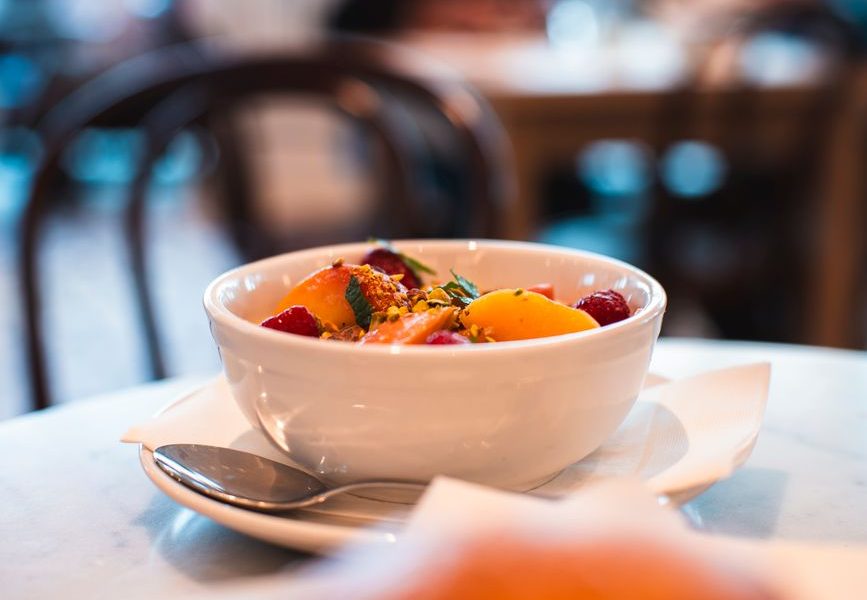
How do you make fresh salad bowls that still taste crisp, colorful, and satisfying by lunchtime? Build each bowl around sturdy greens, seasonal produce, one filling protein, and a dressing packed separately. That simple structure solves the three problems that make packed salads disappointing: wilted leaves, watery vegetables, and a lunch that leaves you hungry an hour later.
What should go in a spring salad bowl?
The best spring bowl balances four jobs. Greens provide volume, vegetables bring color and texture, a filling ingredient keeps hunger away, and a sharp dressing ties everything together. A bowl made from only lettuce and cucumber looks fresh but often feels like a side dish. A bowl loaded with cheese, grains, and dressing can become heavy and soggy.
Start with one sturdy green
Choose a base that can handle a few hours in a lunch container. Romaine hearts stay crisp and bring a clean crunch. Baby spinach works well when you plan to eat the salad within a few hours. Shredded cabbage, kale, and arugula also hold up better than delicate butter lettuce. For a softer bite, mix two handfuls of romaine with one handful of baby spinach instead of using fragile leaves alone.
Wash the greens in cold water, then dry them fully. Water left on the leaves becomes a fast route to limp salad. Tear large leaves into bite-size pieces so you can eat the bowl with a regular fork.
Add color with spring produce
Use the three-color rule: add at least three colors beyond the green base. Try orange carrot ribbons, red radishes, purple cabbage, yellow bell pepper, or pink grapefruit. Peas, asparagus, snap peas, strawberries, and fresh herbs make a spring bowl feel seasonal without needing a complicated recipe.
Choose one crisp ingredient, one juicy ingredient, and one soft ingredient. Radishes add snap, orange segments add moisture, and avocado adds creaminess. This contrast makes a simple bowl feel complete. For a filling element, add chickpeas, a boiled egg, lentils, chicken, tofu, or leftover salmon.
Which spring ingredients balance color, crunch, and staying power?
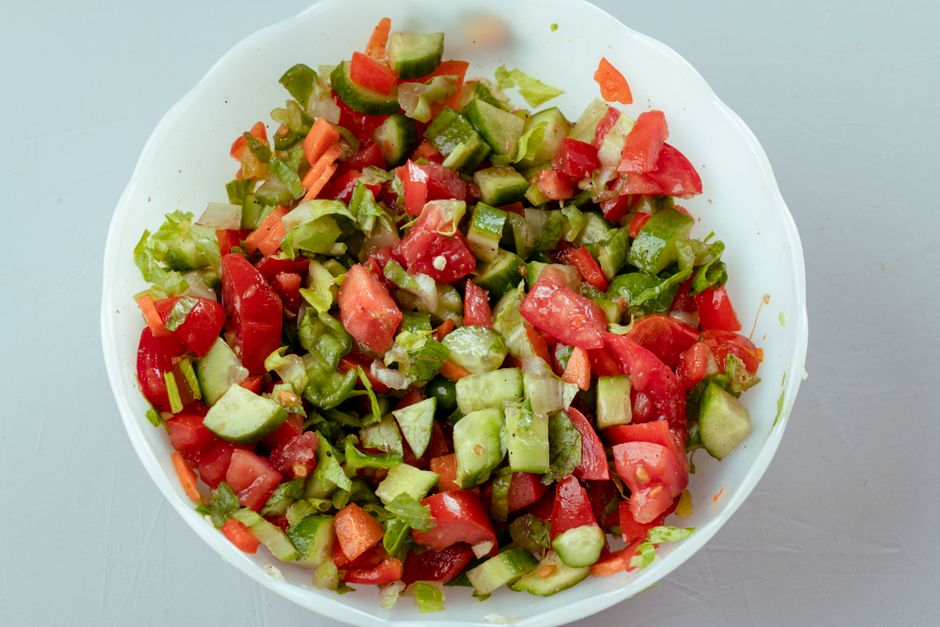
Use this formula when you are standing in the kitchen with random produce and no recipe. The strongest lunch bowls contain a mix of textures, not just a pile of vegetables. The portions below suit one large lunch serving and can be adjusted for a child-sized bowl.
Use a four-part bowl formula
| Part | Amount | Good spring choices | What it adds |
|---|---|---|---|
| Greens | 2 to 3 cups | Romaine, kale, spinach | Volume and freshness |
| Color and crunch | 1 to 1.5 cups | Radish, carrot, snap peas, cabbage | Texture and visual appeal |
| Filling ingredient | Half to 1 cup | Chickpeas, egg, tofu, chicken, lentils | Protein and lasting energy |
| Rich finish | Quarter to half cup | Avocado, seeds, feta, olives | Flavor and satisfaction |
| Dressing | 1 to 2 tablespoons | Lemon vinaigrette or tahini dressing | Acid, moisture, and balance |
Keep juicy foods under control
Tomatoes, citrus, watermelon, and grated cucumber release water as they sit. They are not bad choices, but they need a separate corner of the container or a small leakproof cup. Pat sliced vegetables dry before packing. For tomatoes, use cherry tomatoes whole instead of cutting large tomatoes into wet pieces.
A good bowl should taste bright, not watery. Add lemon juice to the dressing rather than pouring it over the vegetables during prep. Acid wakes up mild greens, while a small amount of olive oil helps carry flavor across the bowl.
How do you keep a packed salad crisp until lunch?
Dry before packing is the rule that matters most. Even an excellent recipe fails if the greens enter the container wet. The following method takes about ten minutes and works for both adult lunches and smaller family portions.
Layer the bowl in this order
- Bottom layer: Put dense ingredients at the base, such as chickpeas, lentils, carrots, radishes, or peppers. These foods can touch moisture without losing their texture.
- Middle layer: Add grains, protein, and firmer vegetables. Quinoa, brown rice, tofu, chicken, and boiled egg create a barrier between wet ingredients and the greens.
- Juicy layer: Add citrus, tomatoes, berries, or cucumber in a small section. Keep them away from the leaves when possible.
- Top layer: Place the greens on top, loosely packed. Do not crush them down to make the lid close.
- Separate dressing: Carry vinaigrette in a small sealed cup. Shake it just before eating, then pour only as much as the bowl needs.
Fix the mistakes that cause soggy greens
Do not wash lettuce and pack it immediately. Spin or towel-dry it, then let it sit uncovered for several minutes so surface moisture can evaporate. Do not salt tomatoes, cucumber, or cabbage hours before lunch; salt draws water from the cells and creates liquid inside the container.
Do not mix avocado into a bowl that will sit all morning if browning bothers you. Add it at lunch, or toss the cubes with a little lemon juice and keep them in their own compartment. Do not prepare delicate greens five days ahead. Prep sturdy vegetables and grains for the week, but cut greens and soft fruit every two or three days.
If your salad still tastes flat, the problem may not be the vegetables. Add a pinch of salt, a squeeze of lemon, or toasted seeds at the last minute. A crisp salad needs contrast: cool greens, a chewy filling ingredient, something sharp, and something rich.
Which containers and tools make salad prep easier?
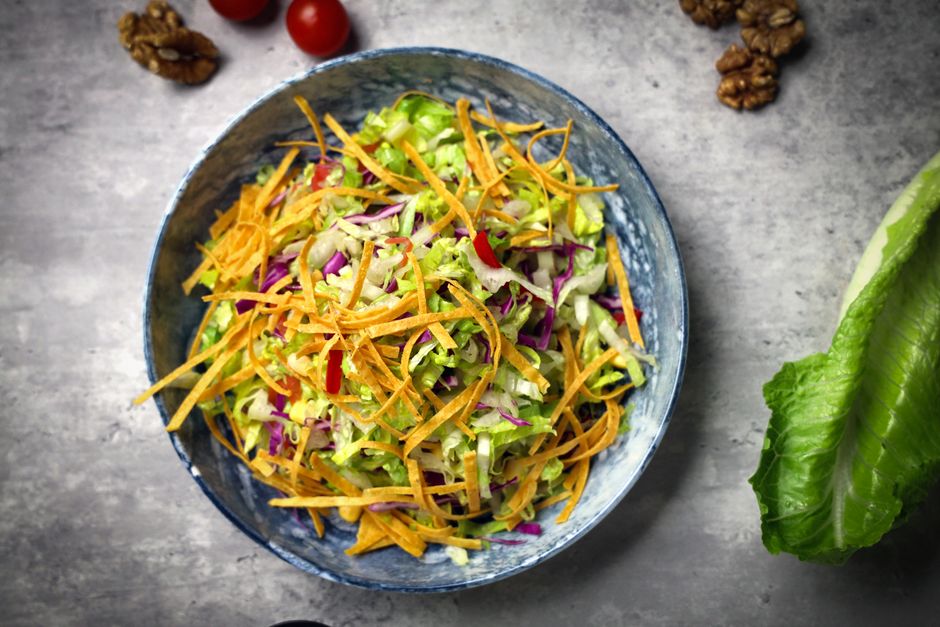
The best setup is a wide container, a reliable way to dry greens, and a small cup for dressing. You do not need a full collection of meal-prep equipment. For most homes, one good spinner and two sizes of containers solve the practical problems.
Choose tools that earn their space
- OXO Good Grips Salad Spinner: The 4.0-quart bowl gives enough room to dry a family-sized batch of greens without crushing them. It is the best pick for households making several lunches at once.
- Ball Wide Mouth Pint Jar: The 16-ounce glass jar works for dressing, grains, or a compact layered salad. Its wide opening makes it easier to add ingredients and eat soft foods with a fork.
- Rubbermaid Brilliance Glass Food Storage: The 3.2-cup rectangular container suits one generous lunch and gives ingredients more horizontal space than a narrow round tub.
- Pyrex FreshLock 4-Cup Container: The 4-cup size works best for larger salads with greens, protein, and crunchy toppings kept in separate areas.
Know when not to buy another container
Skip a new container if your current one has a secure lid, enough room for two to three cups of food, and a shape that lets you keep dressing separate. A tall, narrow container is a poor choice for leafy salads because it compresses the greens and makes the bottom ingredients hard to reach.
The clear winner for one-person weekday prep is a wide 3- to 4-cup container plus a small dressing jar. A 4-quart spinner earns its place when you prepare greens for more than two people. If you make only one salad each week, a clean kitchen towel and an existing food container are enough.
What is the best five-day spring salad plan?
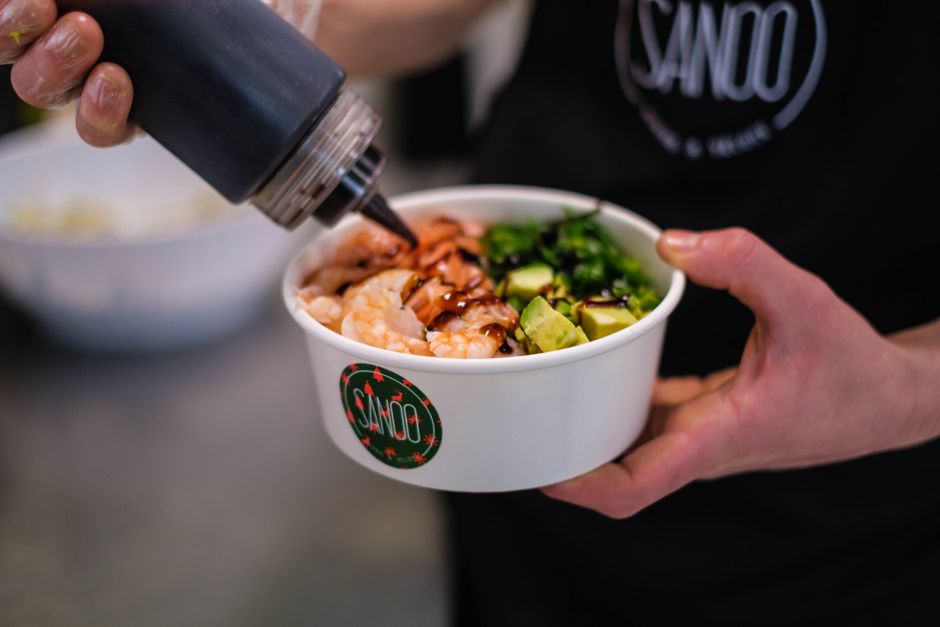
Build components, not five identical salads. Prep the durable foods once, then change the color and dressing each day. This keeps lunch interesting and reduces waste because one soft ingredient does not have to survive the entire week.
Can I prep the whole week on Sunday?
Prep grains, boiled eggs, roasted chickpeas, washed greens, sliced carrots, radishes, and snap peas on Sunday. Store each component separately. Assemble Monday and Tuesday bowls fully, then refresh the greens and cut soft produce on Wednesday. Keep strawberries, avocado, cucumber, and citrus in smaller portions so you can use them before they lose texture.
| Day | Color focus | Filling ingredient | Dressing direction |
|---|---|---|---|
| Monday | Green and orange | Chickpeas | Lemon and olive oil |
| Tuesday | Red and purple | Boiled egg | Mustard vinaigrette |
| Wednesday | Pink and green | Chicken or tofu | Herb yogurt dressing |
| Thursday | Yellow and green | Lentils | Tahini and lemon |
| Friday | Mixed spring colors | Leftover protein | Balsamic vinaigrette |
When should I skip a salad bowl?
Skip it when you cannot keep the food chilled, when the only available vegetables are already soft, or when you need a hot meal for comfort and fullness. A soup, grain bowl, or packed sandwich may hold up better in those situations. Fresh salad bowls are strongest when you can keep ingredients cool, dry, and separate until lunch.
For a quick final choice:
- Most colorful: Romaine, radish, carrot, snap peas, and strawberries.
- Most filling: Kale, lentils, roasted vegetables, boiled egg, and seeds.
- Best for meal prep: Cabbage, carrots, chickpeas, quinoa, and separate lemon dressing.
- Best for a same-day lunch: Baby spinach, cucumber, avocado, citrus, and tofu.