

Humidity does not automatically hydrate your skin. That sticky feeling on a hot July afternoon often comes from sweat, oil, and water sitting on the surface, while the deeper layers of your skin can still feel tight or irritated. The best routine for humid weather is not the one with the most products. It is the one that keeps the skin barrier steady, limits heavy layers, and makes sun protection easy to repeat.
Humidity Does Not Hydrate Your Skin
Why damp air can still leave skin dehydrated
Humid air contains more water than dry air, but your skin does not absorb that moisture like a sponge. Sweat forms on the surface, then evaporates when you move through air conditioning, sit near a fan, or spend time outdoors. That repeated change can leave the face shiny on top and uncomfortable underneath. Hot weather also raises oil production for many people, and sunscreen or makeup can trap that oil around pores. The result looks like excess moisture, but the skin may still need water and a lighter barrier-supporting moisturizer.
The better goal for a July routine
A strong summer routine aims for balance rather than a completely matte finish. Wash away sweat and pollutants without scrubbing. Add a small amount of humectant hydration, then seal it with a thin moisturizer only where the skin feels dry. This approach protects the outer barrier, which helps reduce stinging and patchy oil production. Barrier support matters because irritated skin often reacts to heat, fragrance, and strong exfoliants more quickly. The clear verdict: do not skip all moisturizer just because the weather feels damp. Use less, choose a light texture, and apply it mainly to the areas that become tight.
The July Routine That Holds Up at 90% Humidity

The most reliable humid-weather routine has four morning steps and a short evening reset. Order matters because extra layers make sunscreen slide, collect around the nose, and feel heavier as the day warms.
Morning steps that reduce shine without stripping skin
- Cleanse with lukewarm water and a gentle cleanser. Use your fingertips for about 30 seconds, then rinse fully around the hairline and jaw.
- Apply a thin hydrating layer to slightly damp skin. A watery gel or simple glycerin-based serum works better than several rich essences.
- Use a light moisturizer on dry zones first. People with oily skin can leave the forehead and nose with only the residue from the previous step if those areas stay comfortable.
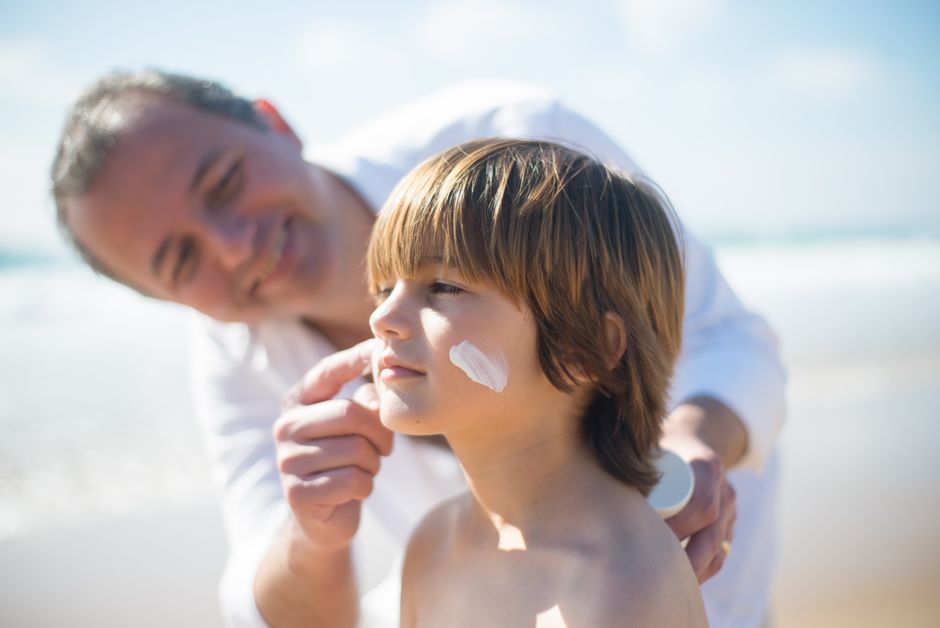
- Apply broad-spectrum sunscreen generously to the face, ears, neck, and exposed chest. Use two finger-length lines for the face and neck, then let the layer settle before makeup.
- Carry blotting papers or a clean tissue. Press; do not rub. Rubbing moves sunscreen and spreads oil across the cheeks.
What to do after sweating
After heavy exercise or several hours outside, rinse the face when possible and reapply sunscreen once the skin dries. If a full wash is not practical, blot first, remove visible grime around the eyes and mouth with water, then add sunscreen. Do not pile a new layer over gritty sweat. The best practical rule is simple: remove salt before reapplying protection. This routine wins because it reduces friction, keeps the product count low, and gives sunscreen a clean surface to grip.
Which Lightweight Products Suit Humid Skin?
Texture matters more than a label such as “for oily skin.” A watery lotion can still contain ingredients that irritate you, while a cream can work well on dry cheeks if you use a small amount. The table below compares familiar options by size, stated protection, and typical US retail price. Prices vary by retailer and sales.
A practical comparison for July mornings
| Product | Size and protection | Typical price | Best use |
|---|---|---|---|
| Beauty of Joseon Relief Sun: Rice + Probiotics | 50 ml, SPF 50+ PA++++ | About $18 | Light daily wear with a soft finish |
| EltaMD UV Clear | 48 g, SPF 46 | About $43 | Acne-prone or easily irritated skin |
| La Roche-Posay Anthelios Melt-in Milk | 150 ml, SPF 60 | About $36 | Face and body during outdoor days |
| CeraVe Ultra-Light Moisturizing Lotion | 52 ml, SPF 30 | About $19 | Low-makeup, everyday commuting |
The clearest product verdict
For most people who want a comfortable daily face sunscreen in humid weather, Beauty of Joseon Relief Sun is the best balance of price, finish, and high labeled protection. EltaMD UV Clear earns the stronger pick for sensitive or blemish-prone skin when the budget allows. For a beach, garden, or sports day, La Roche-Posay Anthelios Melt-in Milk makes more sense because the larger bottle covers exposed body areas. CeraVe is the budget choice for short commutes, but SPF 30 leaves less margin for missed spots and long outdoor exposure. None of these products removes the need to reapply after swimming, toweling, or heavy sweating.
Why Heat-Proof Skincare Fails in July
The biggest summer mistakes usually come from trying to force the skin to behave like it does in cold weather. Heat, sweat, sunscreen, and air conditioning create a different set of pressures. The fix starts with spotting the failure mode instead of adding another product.
Why does my sunscreen pill or slide?
Too many layers cause most pilling. Thick serums, rich moisturizer, silicone-heavy makeup, and a fast sunscreen application can form small rolls when they rub together. Reduce the morning routine to one hydrating layer, one thin moisturizer where needed, and sunscreen. Give each layer two to five minutes to settle. If sunscreen still slides, use less moisturizer under it rather than scrubbing the face or switching products every few days.
Why does humid weather cause bumps?
Sweat, friction, oil, and occlusive layers can block follicles. Common trouble spots include the hairline, upper back, jaw, and areas covered by hats or masks. Avoid heavy facial oils before outdoor activity, change out of damp clothing quickly, and rinse after prolonged sweating. Stop new exfoliating acids when the skin burns or peels; irritation can make the bumps look worse. Do not chase every bump with stronger treatment. A bland cleanser, clean towel, breathable fabric, and steady sunscreen routine often give the skin a better chance to settle. Seek medical advice for painful, spreading, or persistent acne-like eruptions.
When to Skip New Products and Simplify

My strongest July recommendation is to simplify first. A humid-weather routine should feel almost boring by the end of the week. If your skin stings, peels, or develops scattered bumps after changing several products, stop adding treatments and return to a gentle cleanser, a plain moisturizer, and broad-spectrum sunscreen.
Signs that your routine has become too heavy
Watch for tightness after cleansing, sudden burning when sunscreen touches the face, small uniform bumps across the forehead, or makeup that separates within an hour. These signs do not prove that one product caused the problem, but they show that the routine needs fewer variables. Remove one nonessential step for seven days. Keep a quick note of heat exposure, exercise, menstrual-cycle changes, and new cosmetics so you can find patterns instead of guessing.
When a different strategy makes more sense
Skip a new exfoliant before a beach trip, wedding, or long outdoor weekend. Sun, sweat, and friction already challenge the skin, so this is a poor time to test a retinoid, peel, or fragranced mask. If your face becomes oily but your cheeks crack, use different amounts in different zones rather than searching for one perfect product. If sunscreen repeatedly irritates your eyes, change the application pattern: keep it away from the immediate lash line, use sunglasses and a hat, and ask a dermatologist about a better formula. The future of summer skincare is moving toward lighter textures, better filters, and routines designed around reapplication, but the winning habit will remain simple: protect the skin consistently without overwhelming it.