A common misconception is that a no-cook dinner means eating a random plate of cold food. The stronger approach treats dinner as an assembly problem: combine enough produce for volume and fiber, enough protein for staying power, and a small amount of fat or starch for flavor and energy. That structure makes the meal feel deliberate without turning on the oven.
For most households, the goal is not a restaurant-style recipe. It is a dinner that takes 10 minutes, survives a busy evening, and does not leave everyone searching for snacks an hour later.
Why no-cook dinners work better when the plate has structure
The heat problem is really an energy problem
Summer cooking often fails before the first ingredient reaches the pan. A hot kitchen raises the cost of dinner in time, effort, and cleanup. When temperatures climb, many people skip the vegetables, rely on a single cold protein, or serve a large portion of bread and call it a meal. The issue is not that cold food lacks value. The issue is that the plate lacks balance.
A useful no-cook dinner usually contains three functional parts: a high-volume produce base, a protein portion, and a flavor-rich binder. The produce can be leafy greens, tomatoes, cucumbers, peppers, berries, or sliced stone fruit. Protein can come from a ready-to-eat animal or plant source. The binder might be hummus, yogurt, tahini, olive oil, avocado, or a sharp vinaigrette.
What a complete plate contains
Use two cups of produce as a starting point, then add roughly 25 to 35 grams of protein for an adult dinner. Add one-half to one cup of a filling carbohydrate when the meal needs more staying power: beans, whole-grain crackers, corn, fruit, or a prepared grain served cold. Finish with one or two tablespoons of dressing, seeds, nuts, cheese, or avocado.
This is a planning range, not a medical prescription. People with diabetes, kidney disease, food allergies, or a medically restricted diet should follow advice from a qualified clinician. The clear verdict is simple: a no-cook dinner works best when produce supplies volume, protein supplies staying power, and the dressing supplies enough flavor to make the plate satisfying.
How to assemble a balanced dinner in 10 minutes
Use this five-step assembly test
- Choose the produce first. Pick two colors and two textures, such as crisp cucumber with soft tomatoes or crunchy peppers with ripe peaches.
- Add a measured protein. Start with about 3 to 5 ounces of ready-to-eat fish, chicken, turkey, tofu, or cheese, or about 3/4 to 1 cup of beans or lentils.
- Include a filling base. Add beans, corn, whole-grain bread, cooked grains served cold, or a starchy vegetable if the produce and protein alone will leave the household hungry.
- Bring in acid and fat. Lemon juice, vinegar, olive oil, avocado, yogurt, or tahini can turn separate ingredients into a meal with a clear flavor profile.
- Season before serving. Salt, pepper, herbs, chili flakes, or a spice blend should touch the produce and protein, not sit only on top of the dressing.
Protect texture before it disappears
Texture is one of the main reasons a cold dinner can feel disappointing. Wet ingredients soften bread, crackers, and greens. Keep dressing separate until the last moment, pat washed produce dry, and place juicy tomatoes or fruit beside the protein instead of under a crisp base.
For a family meal, serve the components in separate bowls. This is not extra work if the ingredients already need cutting. It gives children and selective eaters a clear choice without requiring a second dinner. Adults can build a larger salad, while others can make a wrap, snack plate, or small bowl from the same ingredients.
The best execution rule is to prepare only what will be eaten within the next day or two. Cut produce loses texture quickly, and a large assembled salad rarely tastes as good on day three as it did on day one.
Which ready-to-eat proteins are worth buying?
A practical comparison for 2026 grocery planning
These are grocery examples, not affiliate recommendations. Prices vary by store, region, package size, and promotion, so treat the figures as planning estimates rather than guaranteed shelf prices. Check the nutrition panel, allergen statement, use-by date, and sodium level before buying.
| Product | Package | Typical price | Protein | Best use |
|---|---|---|---|---|
| Wild Planet Albacore Wild Tuna | 5 oz can | $3.99-$4.99 | About 30 g | Tuna and white-bean salad |
| Safe Catch Elite Wild Tuna | 5 oz pouch or can | $4.49-$5.99 | About 35 g | Fast salad or lettuce cups |
| Bumble Bee Premium Chicken | 5 oz can | $2.49-$3.49 | About 20 g | Chicken and avocado bowl |
| Tasty Bite Organic Chickpeas | 10 oz pouch | $2.49-$3.49 | About 12-14 g | Plant-based chopped salad |
| Chobani Plain Greek Yogurt | 5.3 oz cup | $1.49-$1.99 | About 14 g | Herb dressing or savory dip |
The clear buying rule
For the highest protein in the smallest package, Safe Catch Elite Wild Tuna is the strongest pick. For a lower-cost family meal, Bumble Bee Premium Chicken is easier to stretch across wraps or salad bowls. For a plant-based dinner, Tasty Bite Organic Chickpeas are the most convenient choice, but they need a second protein-rich ingredient if one serving must reach a higher protein target.
Watch the tradeoffs. Tuna is convenient but may not suit people avoiding fish or monitoring mercury exposure. Canned chicken can be bland unless the dressing has enough acid and herbs. Chickpeas offer fiber but less protein per serving than fish or chicken. Greek yogurt works well as a sauce, yet a small cup may not provide enough protein to stand alone as dinner. The best purchase is the one that matches the meal’s job, not the package with the loudest health claim.
What food-safety mistakes can ruin a cold dinner?
How long can a no-cook meal sit out?
Perishable food should generally stay at 40°F or below until serving. Use the two-hour rule for room-temperature conditions, and reduce that window to one hour when the air temperature is above 90°F. A shaded patio is still outdoors, and a cooler bag without enough ice does not guarantee a safe temperature.
Serve only what the household is likely to eat. Keep the rest chilled, especially meals containing fish, chicken, dairy, eggs, cut fruit, or cut leafy greens. If the food has sat warm for too long, do not rely on smell as a safety test. Harmful bacteria may not change the smell or appearance.
What should happen to pre-cut produce?
Wash whole produce before cutting it, use clean knives and boards, and refrigerate cut items promptly. Pre-cut fruit and vegetables should remain cold from the store to the table. Do not rinse packaged greens and then leave them wet in a warm kitchen; excess moisture speeds texture loss and can spread contamination if the sink or towel is dirty.
When should you skip the meal?
Skip any package with a broken seal, swollen can, leaking pouch, or unclear storage history. Follow the label for refrigerated items, and treat allergy warnings as binding instructions rather than suggestions. No particular state law is being analyzed here; state and local health codes vary, and this is general food-safety information. This is not legal advice — consult a licensed attorney.
Which no-cook dinner formulas work best for families?
Best formula for one adult
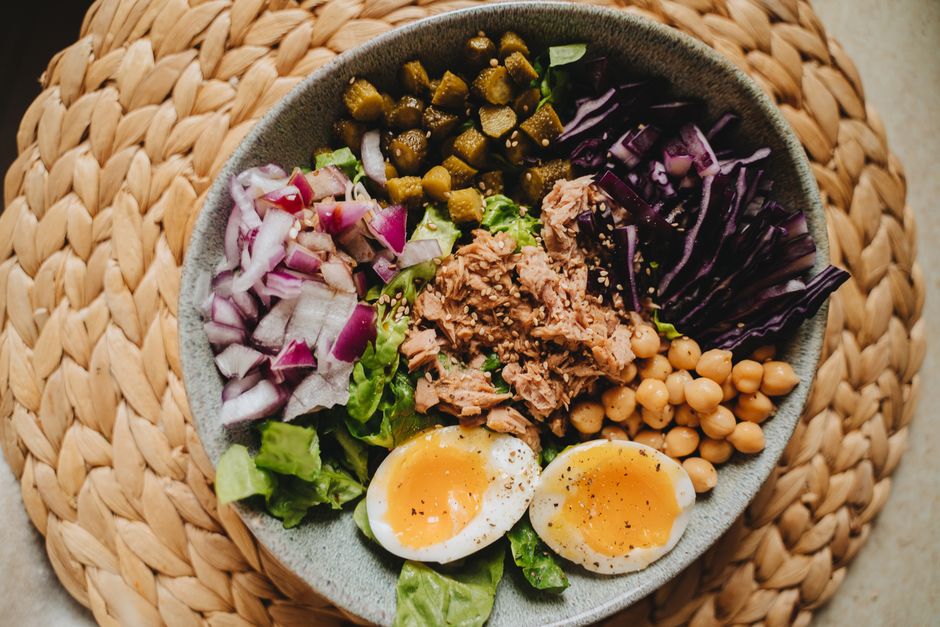
My strongest recommendation is a chopped produce bowl with a clearly measured protein and a sharp dressing. Use two cups of cucumber, tomatoes, peppers, or greens; add 3 to 5 ounces of protein; then finish with lemon, olive oil, herbs, and a small portion of bread or beans. This formula is fast, easy to portion, and flexible enough for a late meal after a long day.
For a lighter dinner, pair tomatoes and peaches with a salty cheese, basil, and a bean-based side. For more staying power, use greens, chickpeas, avocado, and a yogurt dressing. For a low-mess option, build lettuce cups with chopped vegetables, protein, and a spoonful of hummus.
Best formula for a family table
Set out four components: sliced produce, protein, a carbohydrate, and two sauces. Keep the ingredients separate so each person can build a plate without arguing over mixed textures. A family of four can start with about 8 cups of produce, 1 1/2 to 2 pounds of ready-to-eat protein or equivalent plant protein, and enough bread, beans, corn, or grains to match appetites.
The practical verdict is that composed bowls suit adults who want a complete meal, while component platters work better when children or guests have different preferences. Both formats solve the same summer problem: fresh food reaches the table quickly, remains visible, and does not require the kitchen to become the hottest room in the house.